1
Use articles with titles when you talk about a person, and omit them in direct address.
Proper names, travel, and regular -ar verbs
Use articles naturally with names of people and places, then plan a Spanish trip with regular present-tense -ar verbs.
Madrid. Las Islas Canarias.
Madrid. The Canary Islands.
Use articles with titles when you talk about a person, and omit them in direct address.
Recognize when places such as streets, institutions, rivers, and geographical groups use an article.
Recognize cities, most countries, regions, continents, and single islands that normally have no article.
Use al and del in travel sentences.
Conjugate viajar, llegar, visitar, and reservar in the regular present tense.
Use 25 new travel words in a reading, three short texts, and picture practice.
Video lesson
Watch the guided lesson first, then practise proper names, travel vocabulary, contractions, and present-tense -ar verbs below.
Open on YouTubeDo not guess from the name alone. First ask what the full phrase is: a street, a museum, a river, a group of islands, or simply a city. Then use the Spanish article pattern.
Talking about someone
El señor González tiene la llave.
Mr González has the key.
Señor González, ¿tiene la llave?
Mr González, do you have the key?

Don and doña
Clara llama a doña Elena.
Clara calls Doña Elena.
No: la doña Elena
Do not add an article before doña + first name.
When you talk about a named person, use the article: el señor González, la doctora Molina. When you speak directly to that person, omit it: Señor González, Doctora Molina. Don and doña go directly before a first name: don Mateo, doña Elena.
El señor González llega hoy.
Mr González arrives today.
Buenos días, señor González.
Good morning, Mr González.
Hablo con doña Elena.
I speak with Doña Elena.
A named street or square
la calle de Alcalá
Alcalá Street
Use the article with the category noun.
A named institution
el Museo del Prado
the Prado Museum
Museums, hotels, stations, and theatres use their article.
A river, ocean, or geographical group
el río Ebro · las Islas Canarias
the Ebro River · the Canary Islands
Use the grammatical article of the category.
A city, country, continent, or single island
Madrid · España · Europa · Tenerife
Madrid · Spain · Europe · Tenerife
Normally no article.
A name that already includes one
La Habana · Los Ángeles
Havana · Los Angeles
Learn the whole proper name together.
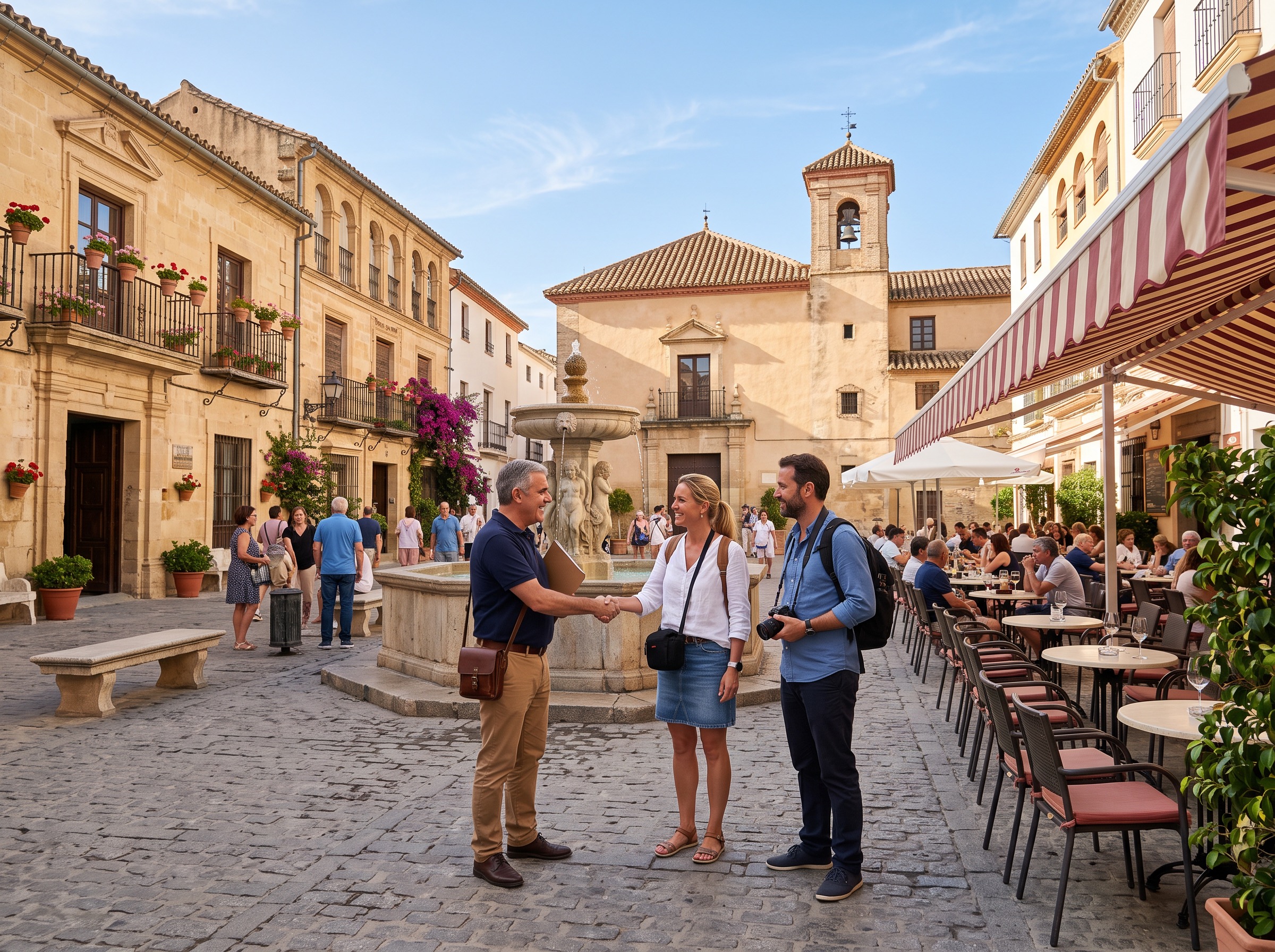
Named street or place
La plaza Mayor está cerca.
The Plaza Mayor is nearby.
Use la with a named square.
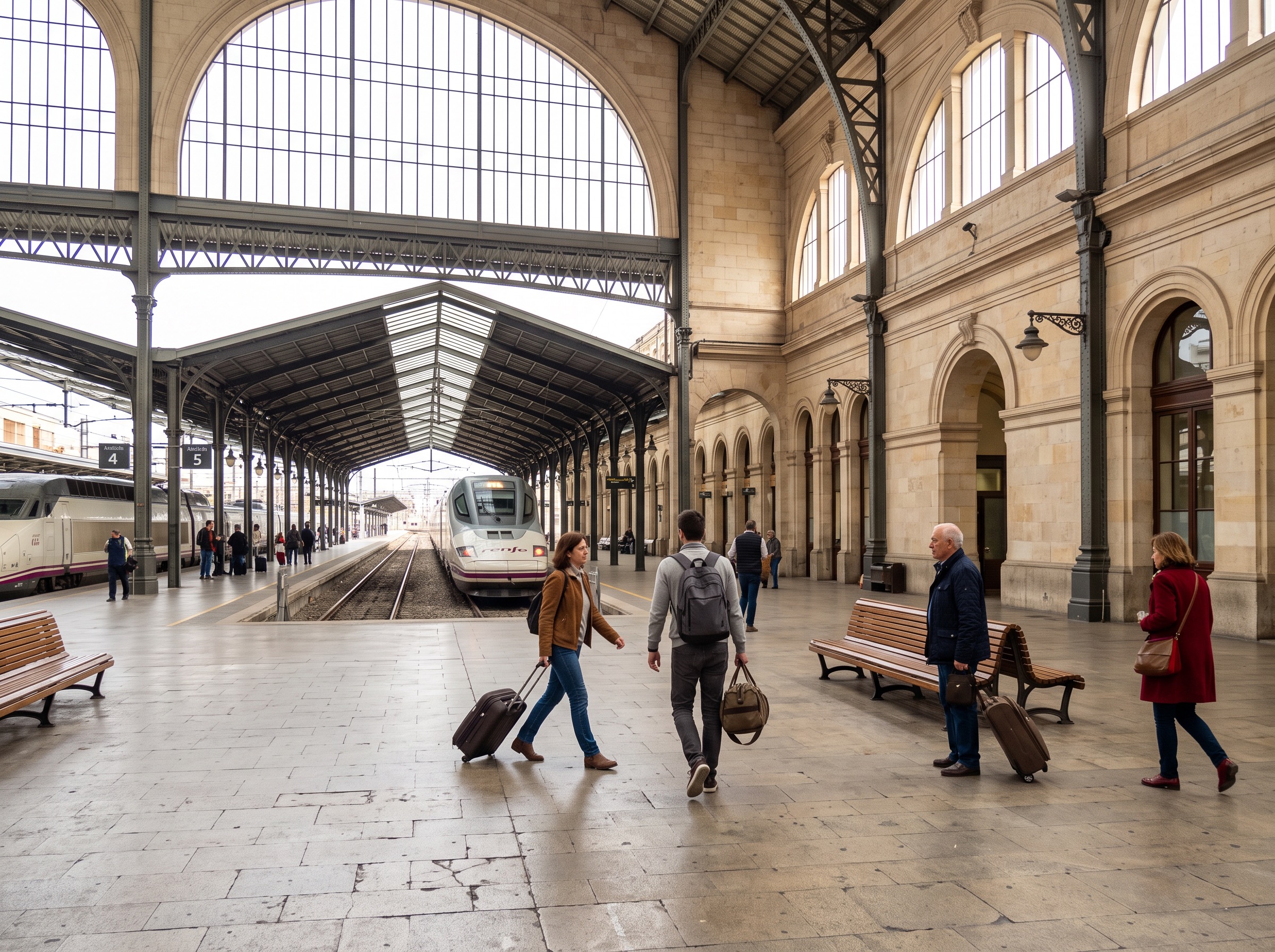
Named institution
La estación de Atocha abre temprano.
Atocha Station opens early.
Use la with a named station.
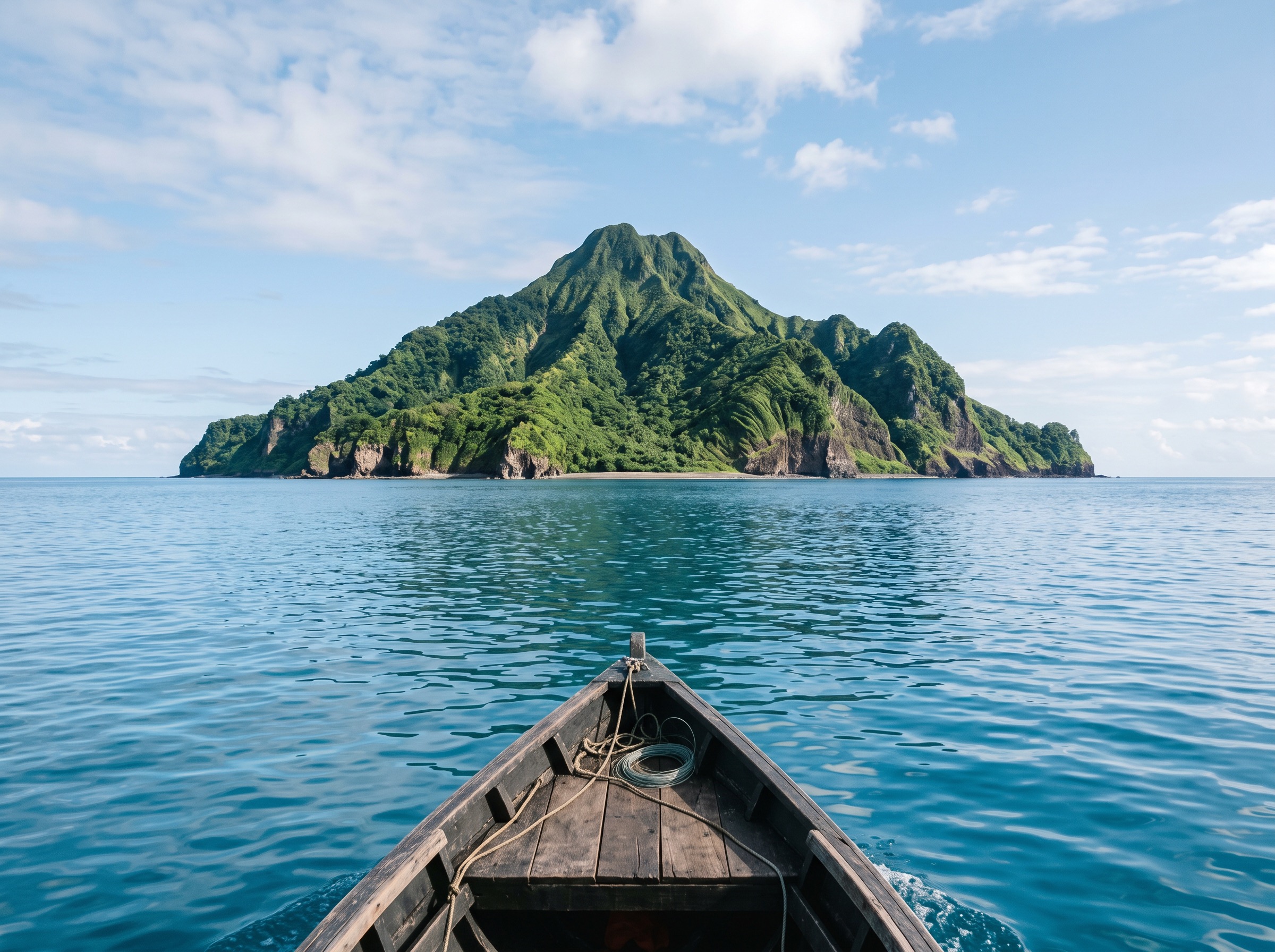
Single island
Clara visita Tenerife.
Clara visits Tenerife.
A single island normally has no article.
Travel phrases make the contractions easy to hear: al Hotel Aurora, del Hotel Aurora, and junto al río Ebro.
Go to a known masculine place
a + el = al
Van al Hotel Aurora.
They go to the Hotel Aurora.
From a known masculine place
de + el = del
La llave del Hotel Aurora.
The key from the Hotel Aurora.
Talk about a titled person
el / la + title
El señor González llega.
Mr González arrives.
Speak directly to that person
title only
Señor González, pase.
Mr González, come in.
Don or doña + first name
no article
Llamo a doña Elena.
I call Doña Elena.
Lesson 7 gave you the ending path. Here you use it with travel verbs and proper names: who travels, who arrives, who visits, and who reserves.
Take off -ar and add -o, -as, -a, -amos, -áis, -an. Use the same pattern with viajar, llegar, visitar, reservar, llamar, caminar, and dejar.
yo viajo
I travel
tú reservas
you reserve
nosotros visitamos
we visit
ellos llegan
they arrive
yo
viajo
I travel
tú
viajas
you travel
él / ella / usted
viaja
he / she / you (formal) travel(s)
nosotros / nosotras
viajamos
we travel
vosotros / vosotras
viajáis
you all travel
ellos / ellas / ustedes
viajan
they / you all travel
The ending path
yo
-o
tú
-as
él / ella
-a
nosotros
-amos
vosotros
-áis
ellos
-an
Viajar keeps the stem viaj-.
viajo, viajas, viaja, viajamos, viajáis, viajan
viajar
to travel
Regular -ar verb
llegar
to arrive
Regular -ar verb
visitar
to visit
Regular -ar verb
reservar
to reserve
Regular -ar verb
llamar
to call
Regular -ar verb
caminar
to walk
Regular -ar verb
dejar
to leave / put down
Regular -ar verb
guardar
to keep
Regular -ar verb
Yo viajo a Tenerife.
I travel to Tenerife.
Tú llegas a la estación.
You arrive at the station.
Ella visita el Museo del Prado.
She visits the Prado Museum.
Nosotros reservamos una excursión.
We reserve an excursion.
Vosotros camináis por la plaza.
You all walk through the square.
Ellos guardan el equipaje.
They keep the luggage.
Every word belongs to Clara and Mateo's trip. Learn the article with each phrase: el pasaporte, la excursión, el paisaje.
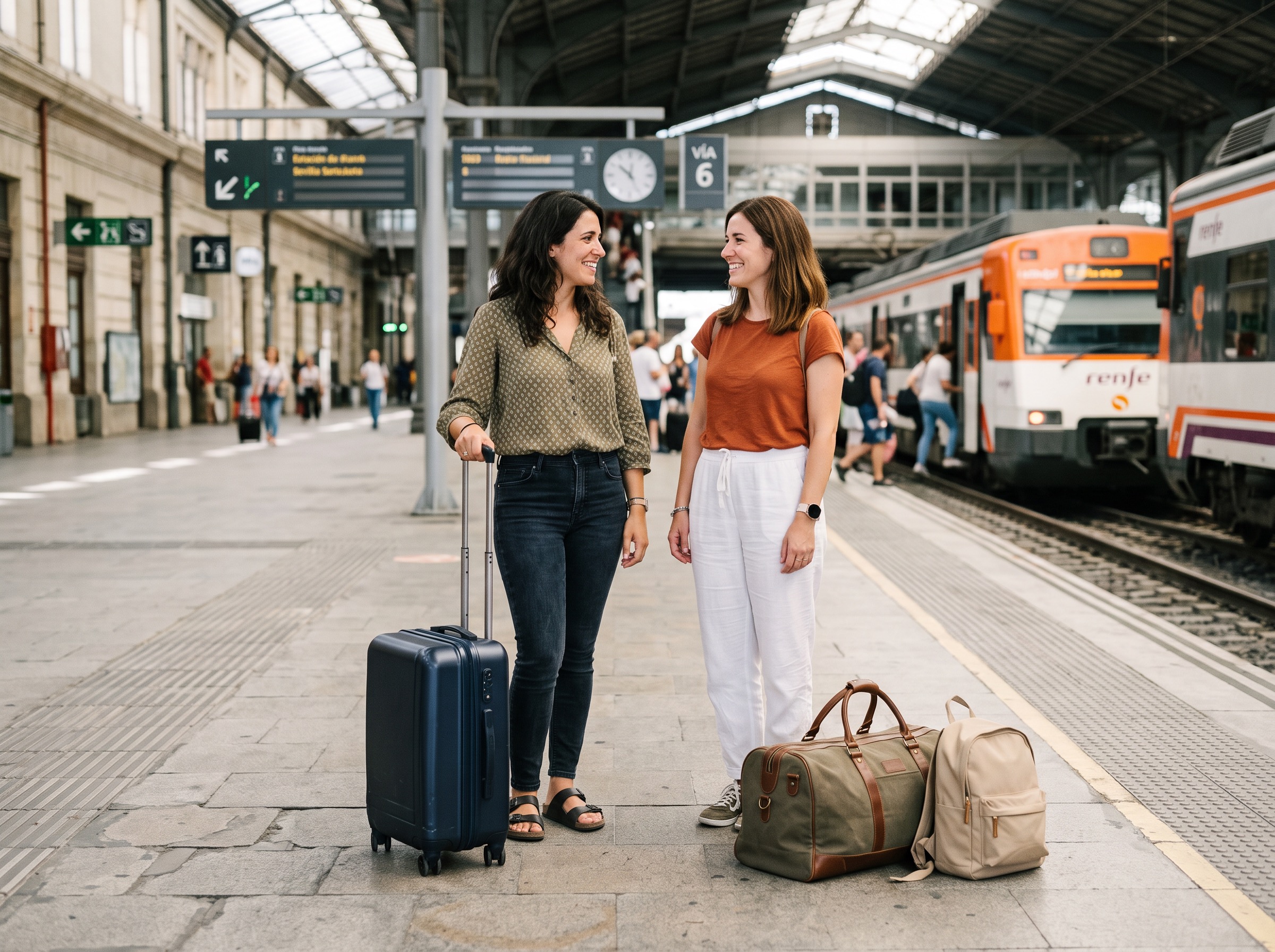
Follow the journey in order. Watch the difference between Madrid, Tenerife, las Islas Canarias, and el océano Atlántico.
Madrid to Tenerife
A short travel story
Focus phrases
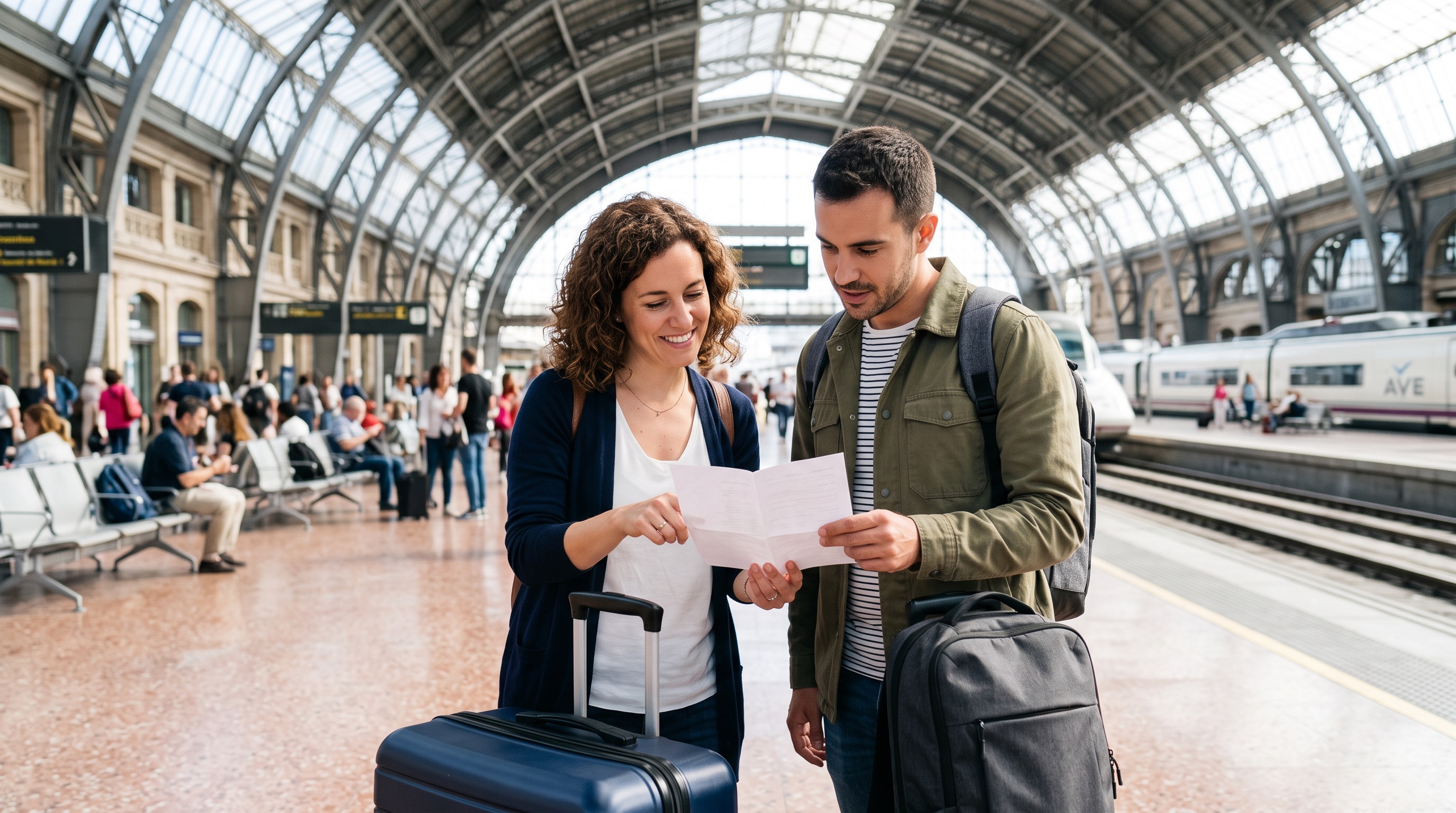
Clara y Mateo viven en Madrid y preparan un viaje corto. En la estación de Atocha, Clara mira el horario: la salida del tren es a las nueve. Mateo tiene el billete y espera en el andén con el equipaje.
Clara and Mateo live in Madrid and prepare a short trip. At Atocha Station, Clara looks at the schedule: the train departure is at nine. Mateo has the ticket and waits on the platform with the luggage.
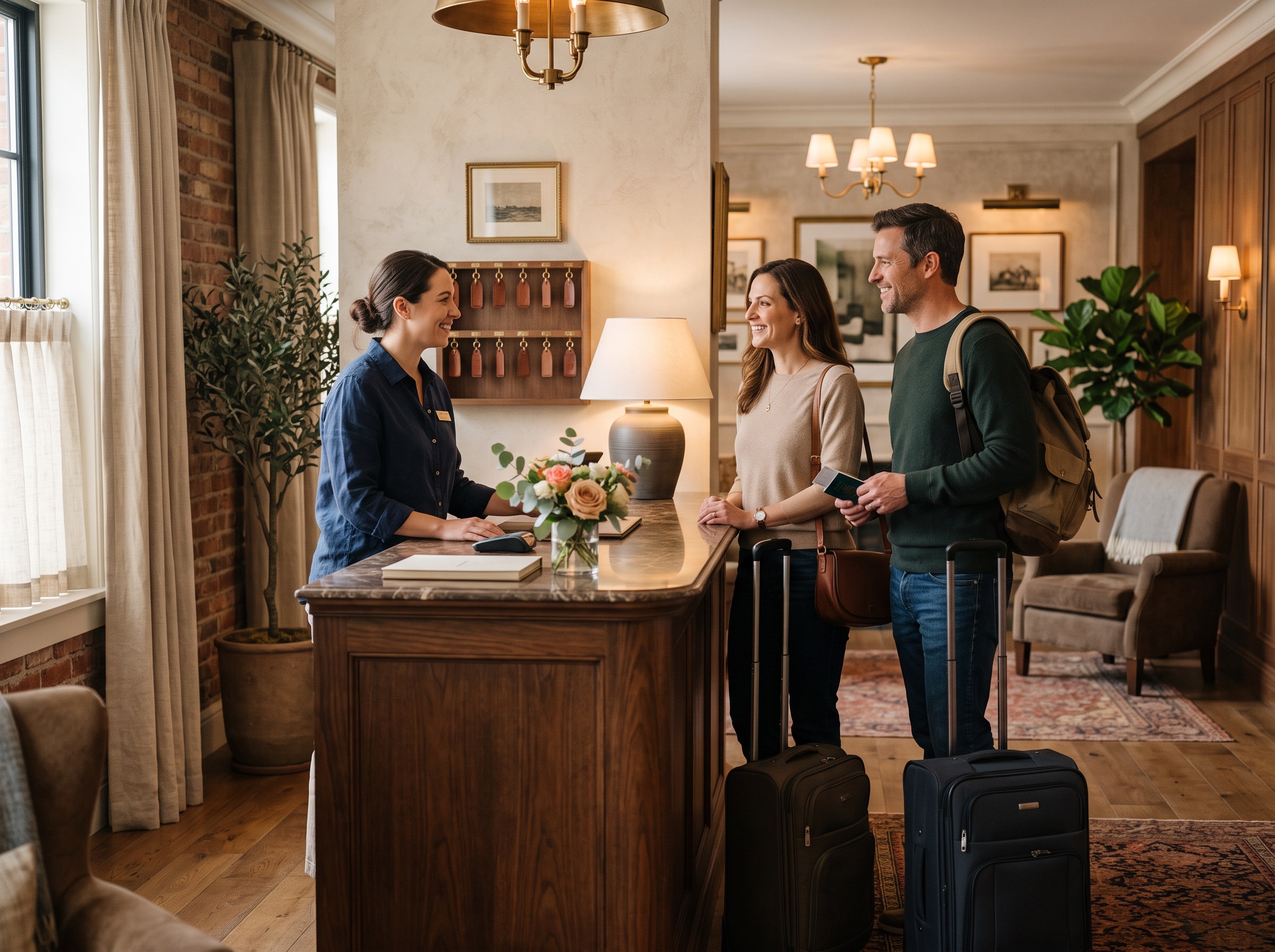
Antes de viajar, visitan el Museo del Prado y caminan por la calle de Alcalá. Después van al Hotel Aurora. En la recepción, el señor González pregunta: '¿Tienen una reserva?' Clara llama a doña Elena, que confirma la reserva. Entonces, el señor González les da la llave.
Before travelling, they visit the Prado Museum and walk along Alcalá Street. Afterwards they go to the Hotel Aurora. At reception, Mr González asks: Do you have a booking? Clara calls Doña Elena, who confirms the booking. Then Mr González gives them the key.
Al día siguiente, los amigos llegan al aeropuerto con el pasaporte y buscan sus asientos en el avión. El vuelo sale de Madrid y llega a Tenerife por la tarde.
The next day, the friends arrive at the airport with their passports and look for their seats on the airplane. The flight leaves Madrid and arrives in Tenerife in the afternoon.
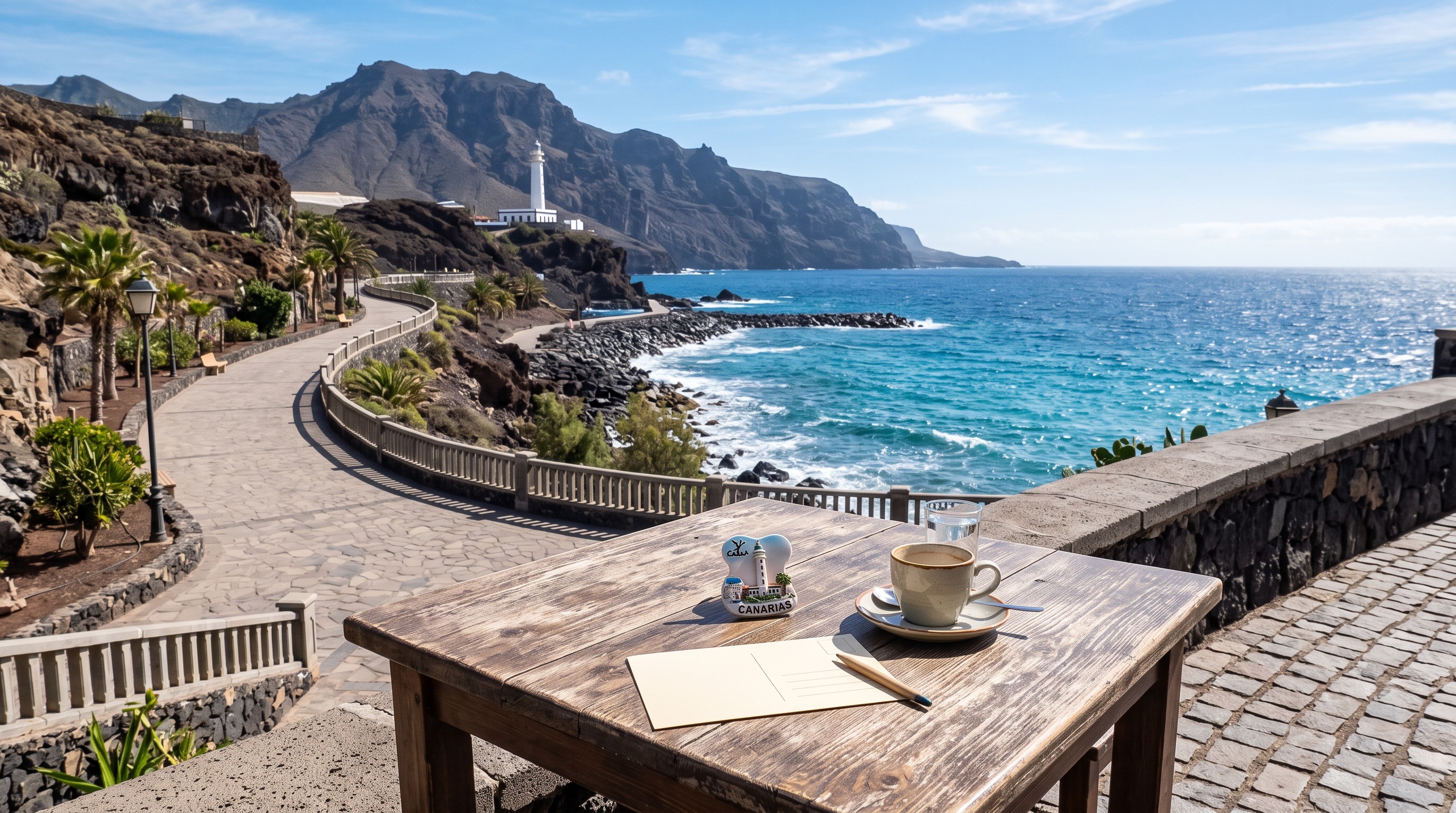
En Tenerife, una guía los espera en la plaza. Ella organiza una excursión a la playa y explica el paisaje de la isla. Desde la costa, Clara y Mateo miran el océano Atlántico; al fondo ven una montaña y un faro pequeño.
In Tenerife, a guide waits for them in the square. She organises an excursion to the beach and explains the island landscape. From the coast, Clara and Mateo look at the Atlantic Ocean; in the distance they see a mountain and a small lighthouse.
Por la noche, los amigos escriben una postal y compran un recuerdo sencillo. La llegada a Madrid es el domingo. Mateo dice: 'El próximo invierno visitamos los Pirineos.' Clara responde: 'Perfecto. Yo ya reservo el viaje.'
At night, the friends write a postcard and buy a simple souvenir. The arrival in Madrid is on Sunday. Mateo says: Next winter we visit the Pyrenees. Clara replies: Perfect. I am already booking the trip.
Start with three short itinerary texts. Then practise person titles, 20 place-name decisions, 20 travel picture phrases, complete present-tense forms, and the final reading check.
Three connected texts
Each small text asks for a real article, contraction, proper name, or regular present-tense form. Type the missing Spanish only.
Text 1: Antes de salir de Madrid
Complete with an article or contraction. When nothing goes before a city or island, choose No article.
Clara y Mateo viven en ___ Madrid. Mañana viajan a ___ Islas Canarias.
Primero van ___ estación de Atocha. Clara mira ___ horario y Mateo busca ___ billete.
Los amigos esperan en ___ andén con el equipaje. Después caminan ___ Hotel Aurora.
Text 2: En Tenerife
Complete the proper names. Pay attention to the difference between one island and an island group.
El avión llega a ___ Tenerife. En la recepción, ___ señor González pregunta: ‘¿Tienen una reserva?’
Clara llama a ___ Elena, que confirma la reserva. Entonces, el señor González da la llave a Clara.
Por la tarde, una guía organiza ___ excursión.
Desde la playa, los amigos miran ___ océano Atlántico y hablan de ___ paisaje de la isla.
Text 3: Un plan para invierno
Complete the verbs in the regular present tense and add the missing article where needed.
Yo ya ___ el próximo viaje. (reservar) Tú ___ una postal para tu familia. (comprar)
Nosotros ___ los recuerdos en una caja. (guardar) Vosotros ___ ___ Pirineos en invierno. (visitar)
Ellos ___ al aeropuerto temprano y Clara ___ al guía. (llegar / llamar)
0/20 answers entered
Interactive practice
This lesson behaves like a real app module: choose answers, get immediate feedback, hear Spanish phrases, and reset the whole round when you want another pass.
Exercise 2
Use an article when you talk about the person. Use a title alone when you speak directly to that person. Don and doña do not take an article.
You are talking about Mr González.
You greet Mr González directly.
You ask for Dr Molina at reception.
You speak directly to Dr Molina.
Mateo is introduced with don.
Elena is introduced with doña.
Clara asks where Mrs Vega is.
Clara speaks to Mrs Vega.
You speak about Professor Reyes.
You speak directly to Professor Reyes.
Which phrase is correct?
Which phrase is correct?
Exercise 3
Keep each name in place and choose its article pattern. Cities, most countries, regions, continents, and a single island normally have no article. Streets, institutions, rivers, seas, and geographical groups use an article.
calle de Alcalá
plaza Mayor
Museo del Prado
Hotel Aurora
estación de Atocha
río Ebro
océano Atlántico
Pirineos
Islas Canarias
desierto de Atacama
Madrid
España
Tenerife
Europa
Málaga
Argentina
Granada
Mallorca
La Habana
Los Ángeles
Exercise 4
Type the missing article or contraction. When nothing goes before a name, choose No article.
Clara vive en ___ Madrid.
Type the missing Spanish word or phrase only.
Visita ___ Museo del Prado.
Type the missing Spanish word or phrase only.
Camina por ___ calle de Alcalá.
Type the missing Spanish word or phrase only.
Llega a ___ estación de Atocha.
Type the missing Spanish word or phrase only.
Viaja a ___ Islas Canarias.
Type the missing Spanish word or phrase only.
Después visita ___ Tenerife.
Type the missing Spanish word or phrase only.
Mira ___ océano Atlántico desde el avión.
Type the missing Spanish word or phrase only.
En invierno visita ___ Pirineos.
Type the missing Spanish word or phrase only.
Su amiga vive en ___ Habana.
Type the missing Spanish word or phrase only.
Su hermano trabaja en ___ Ángeles.
Type the missing Spanish word or phrase only.
Van ___ Hotel Aurora para dejar el equipaje.
Type the missing Spanish word or phrase only.
La recepción ___ Hotel Aurora está abierta.
Type the missing Spanish word or phrase only.
Exercise 5
Look at each travel scene. Choose the complete phrase with the correct article. Each photo is a new vocabulary word.
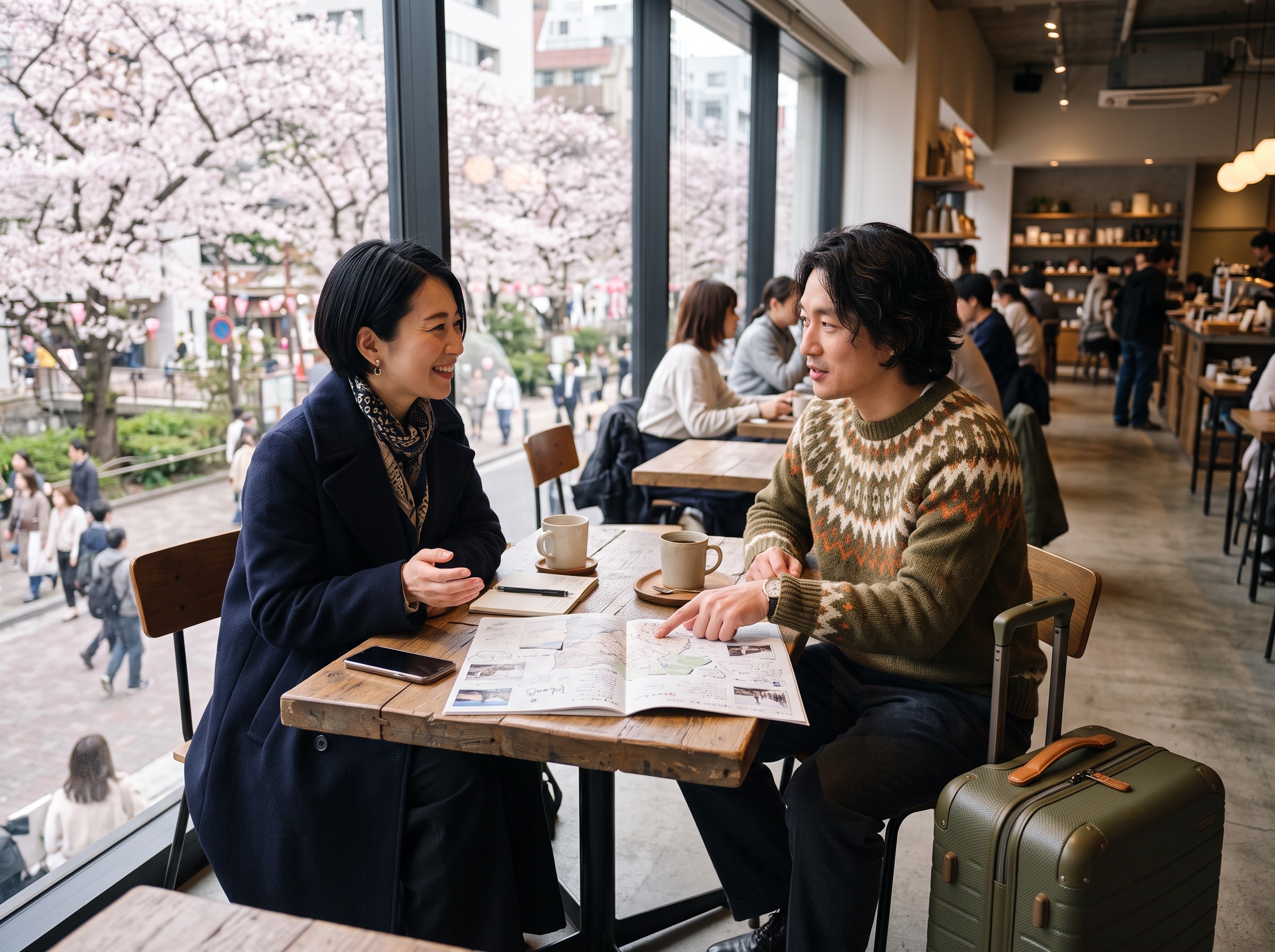
What are Clara and Mateo planning?
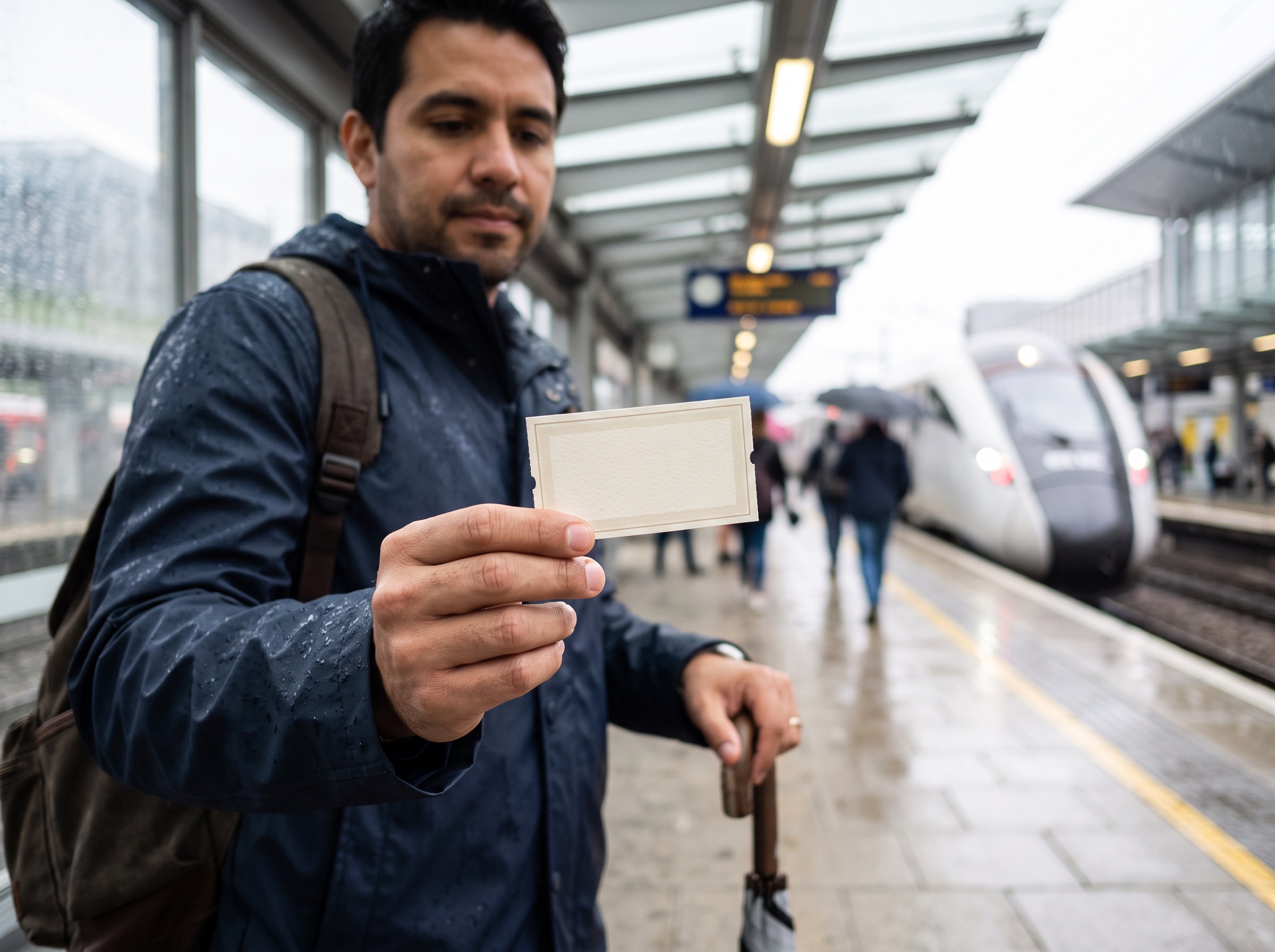
What does Carlos hold?
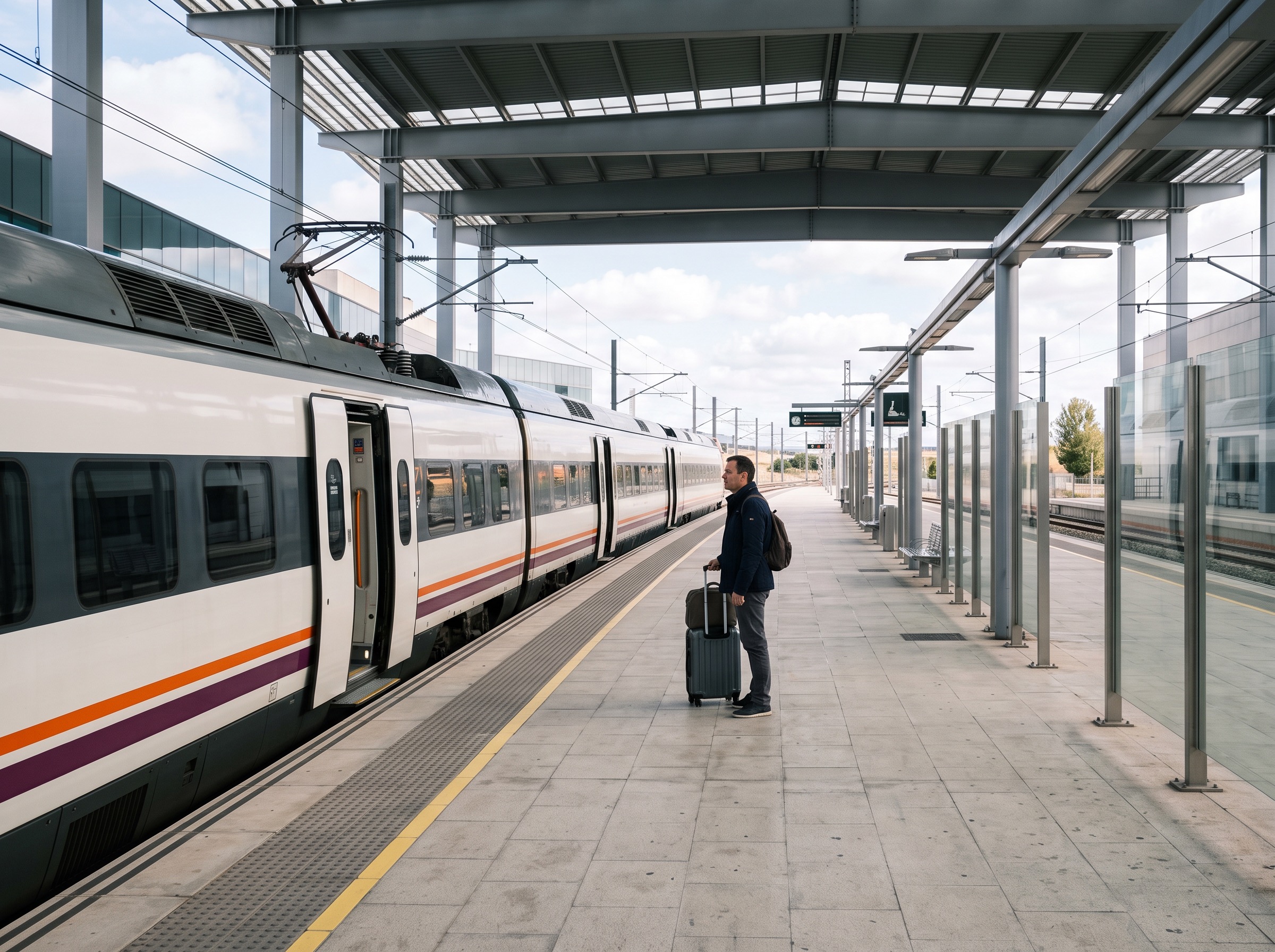
Where does Carlos wait for the train?
What building is this?
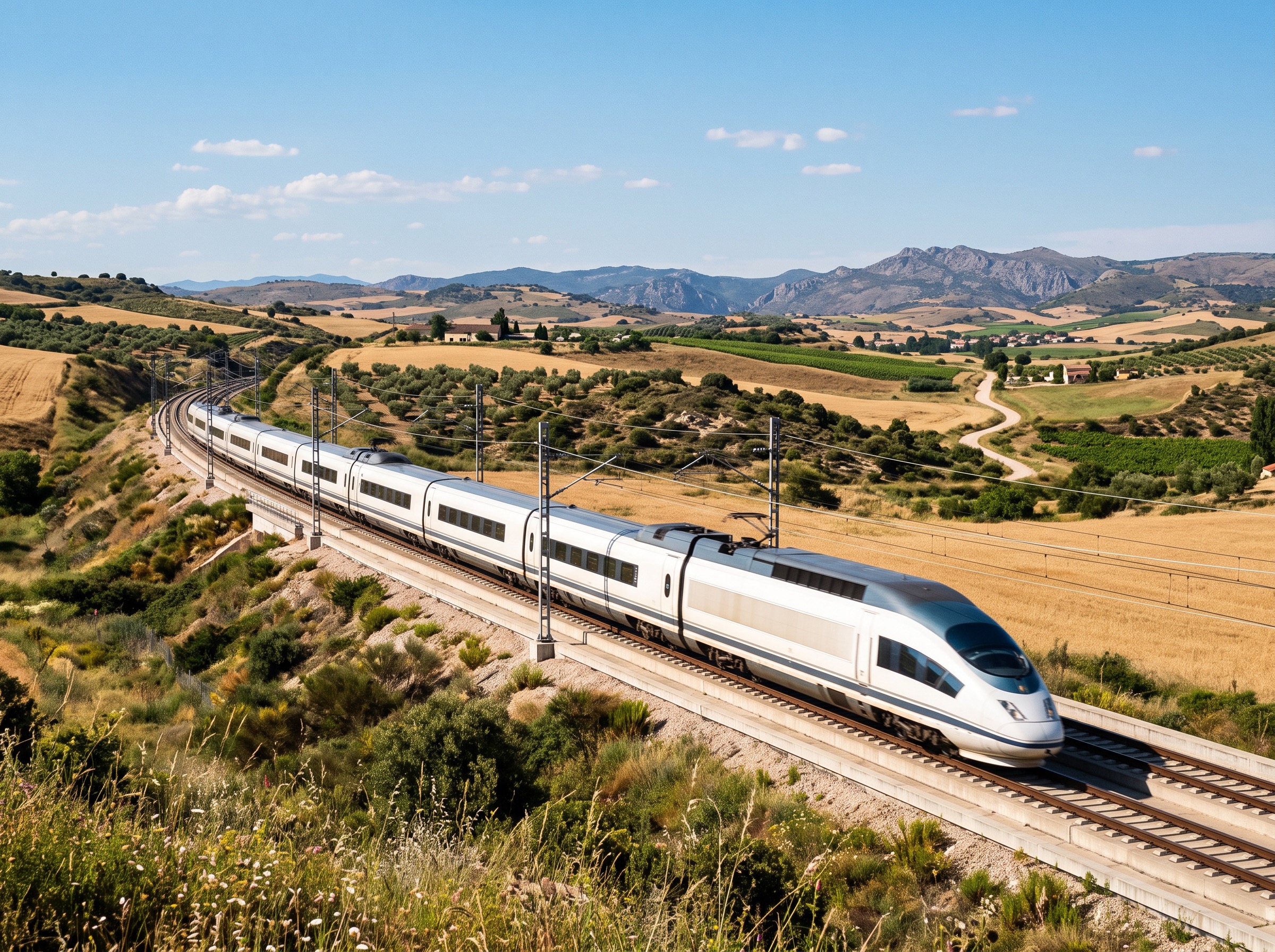
What transport is this?
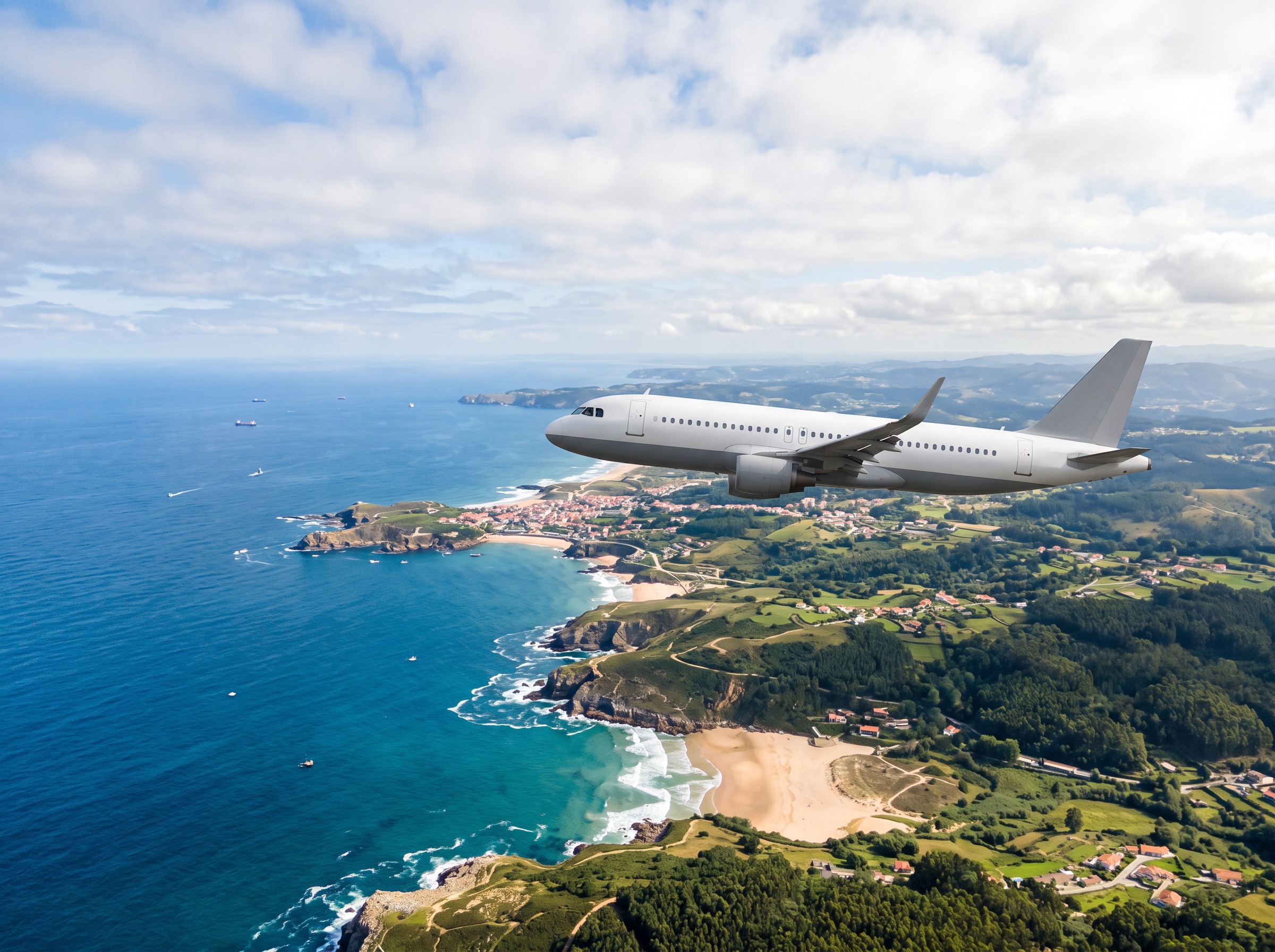
What transport is this?
What is beside Clara and Marta?
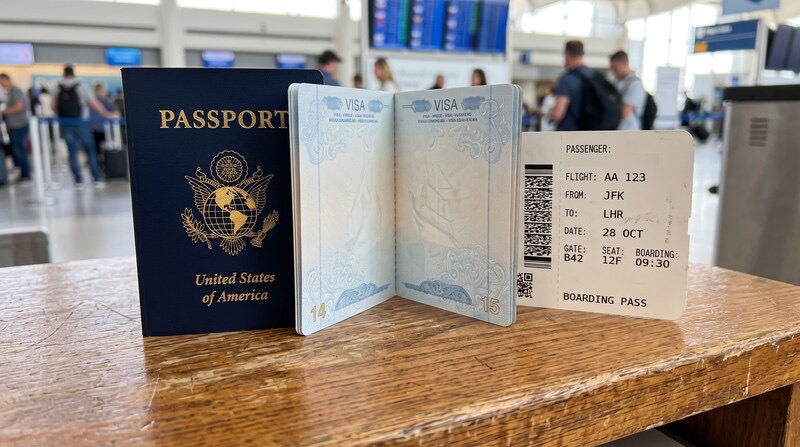
What travel document is this?
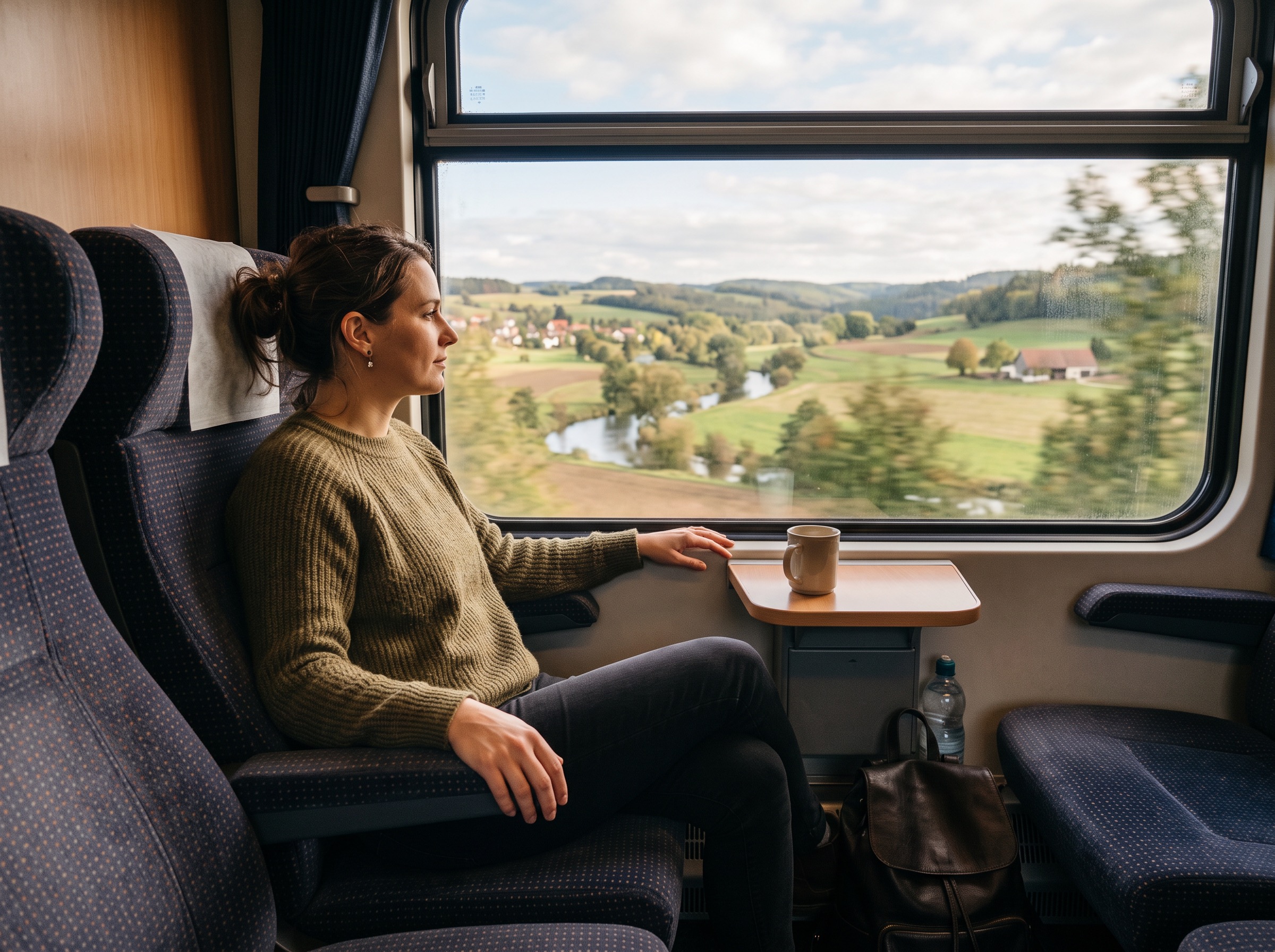
Where does Marta sit?
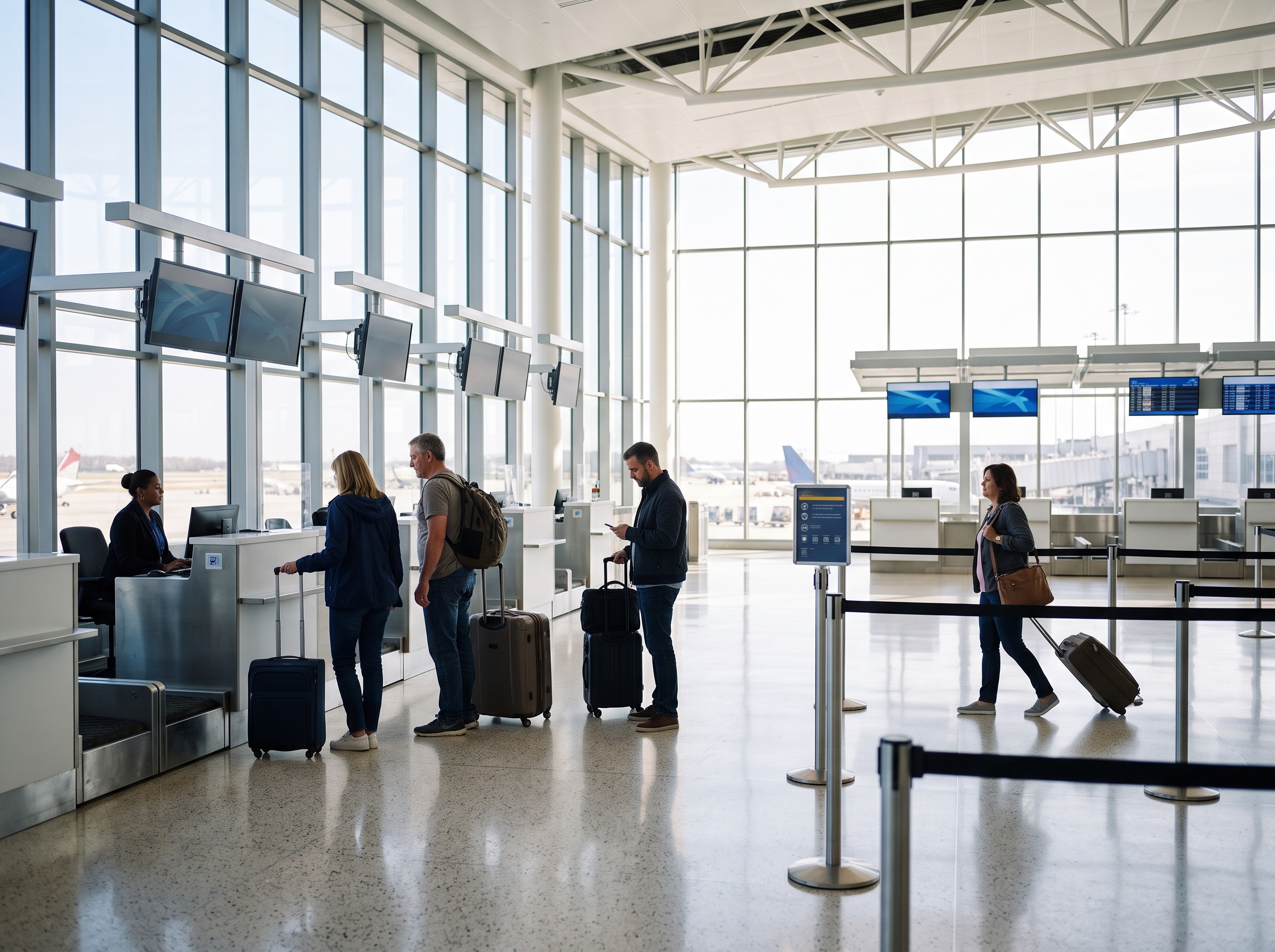
Where do they check in?
Where do Clara and Mateo collect the key?
What does the receptionist confirm?
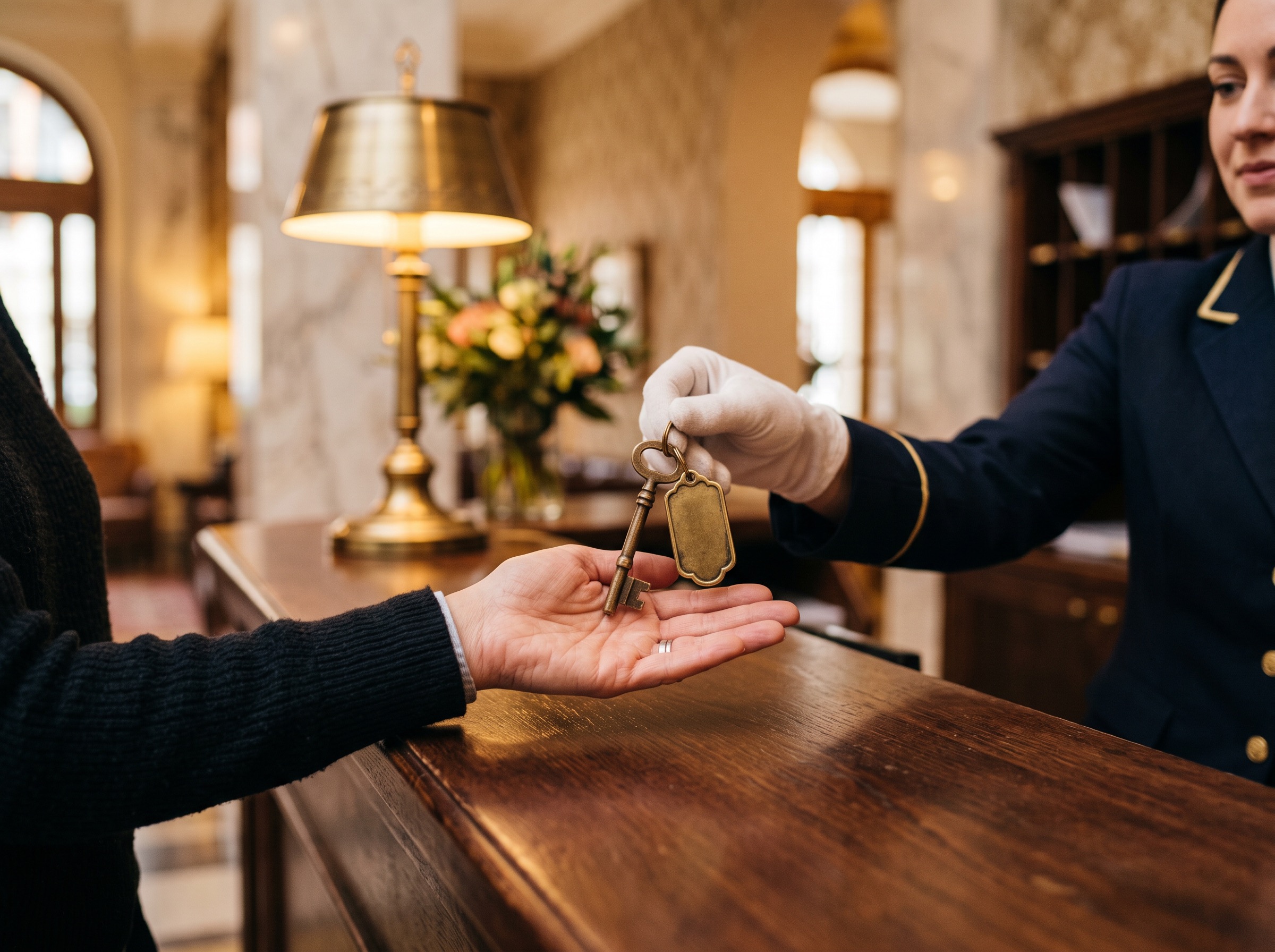
What does the receptionist give Carlos?
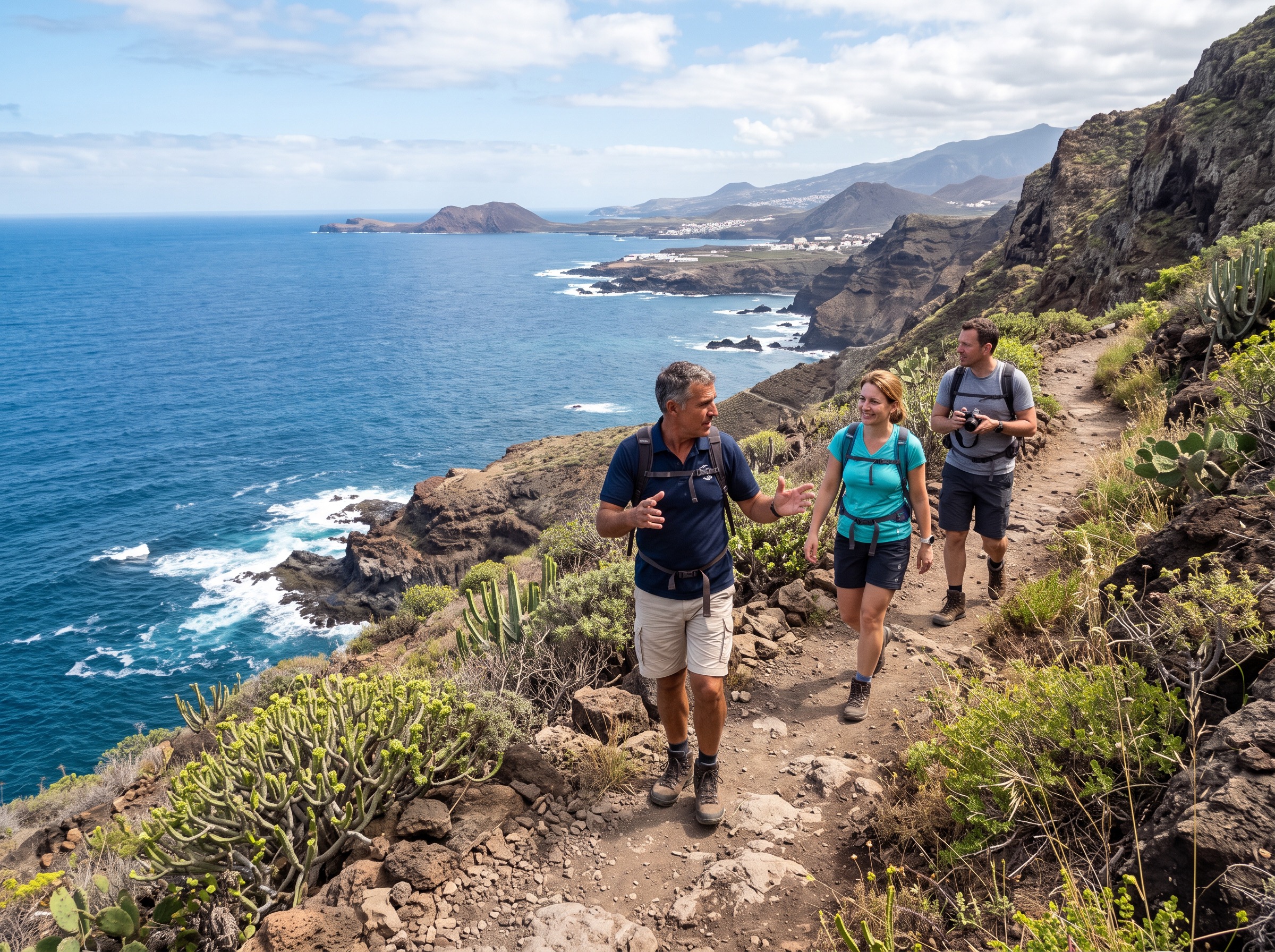
What do Clara and Carlos join?
Where do Clara and Mateo meet the guide?
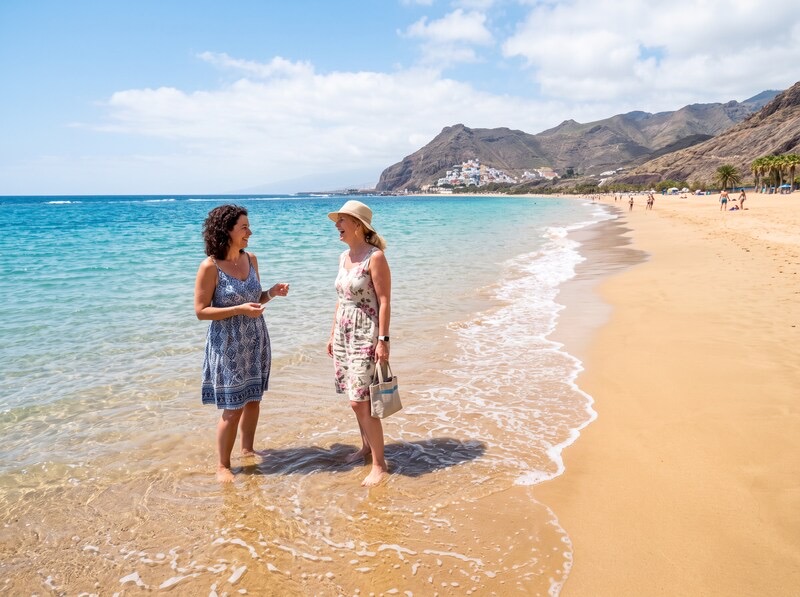
Where do Clara and Marta swim?
Tenerife is...
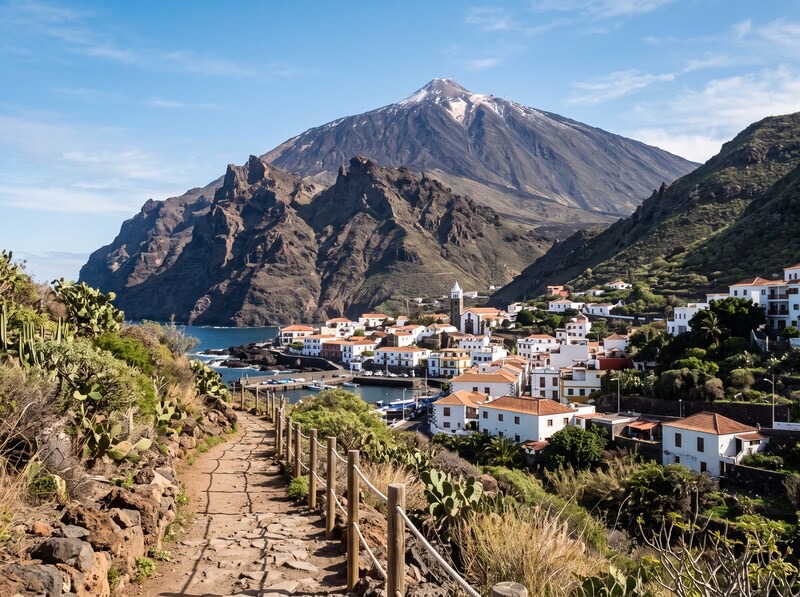
What rises behind the town?
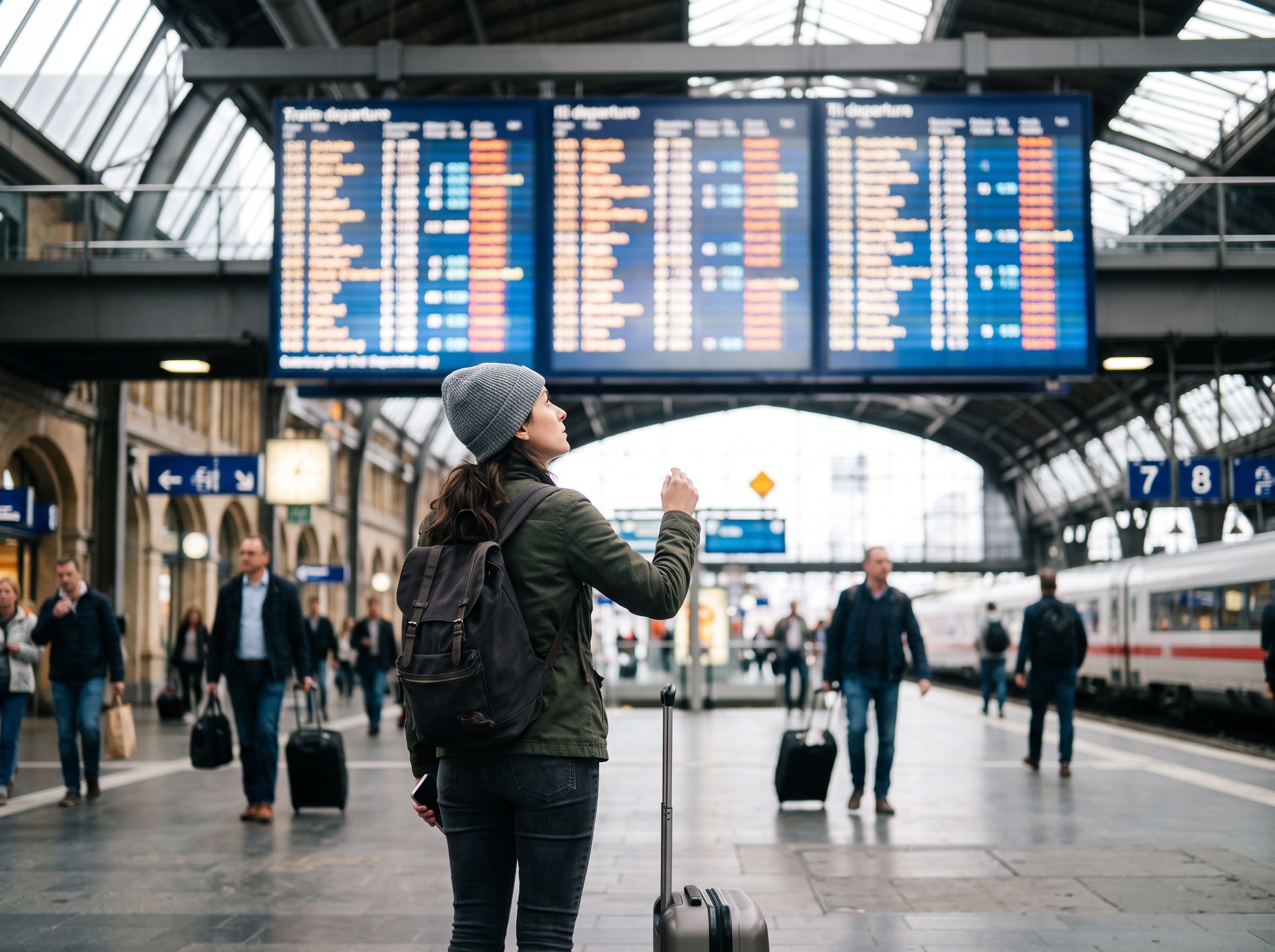
What does Marta check before departure?
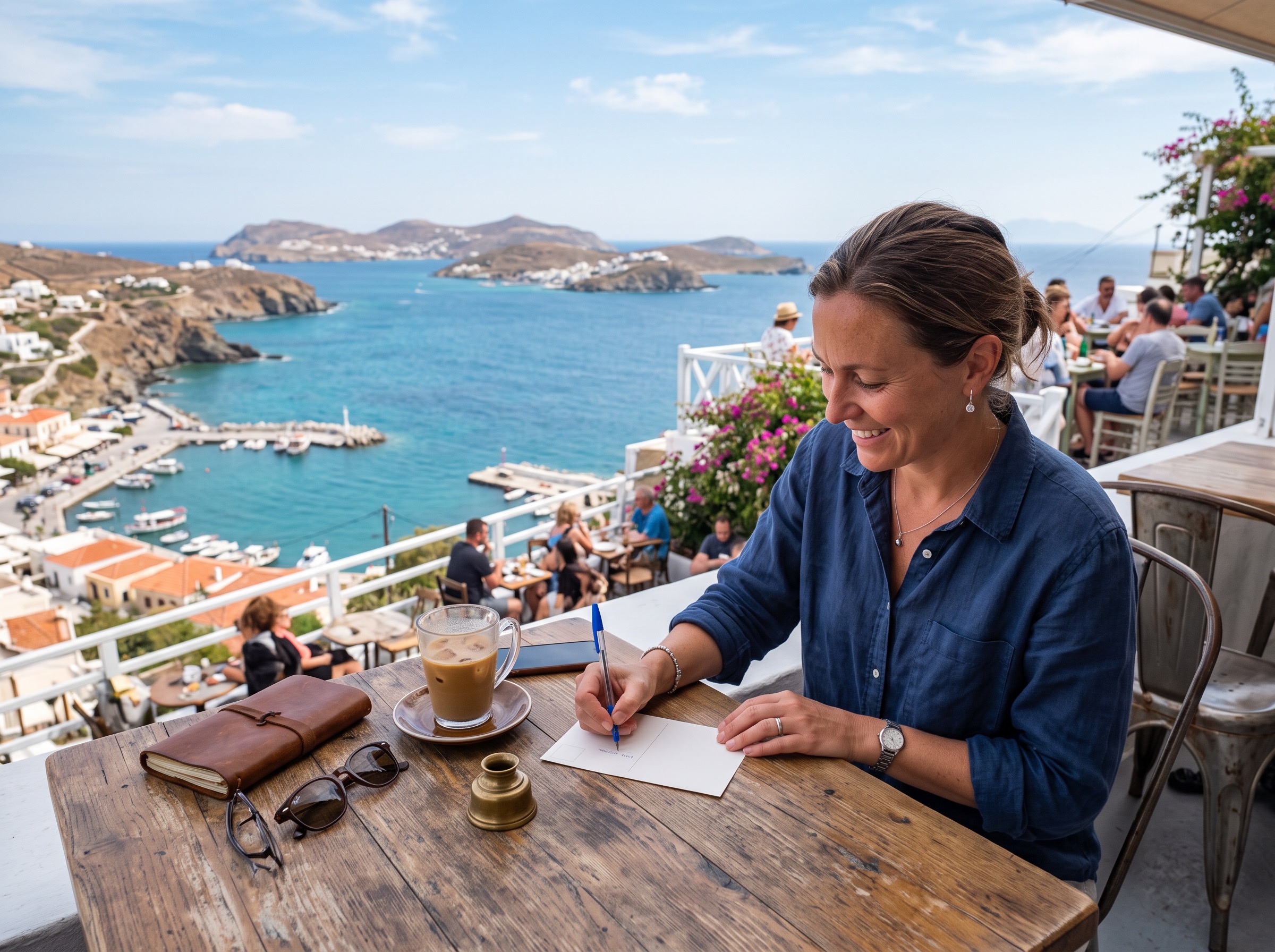
What does Clara write by the sea?
Exercise 6
Choose the present-tense form of viajar that matches each pronoun.
yo
tú
ella
nosotros
vosotros
ellos
Exercise 7
Type the correct regular -ar present-tense form. Use the pronoun or subject to choose the ending.
Yo ___ a Tenerife en junio. (viajar)
Type the missing Spanish word or phrase only.
Tú ___ con poco equipaje. (viajar)
Type the missing Spanish word or phrase only.
Clara ___ mañana. (viajar)
Type the missing Spanish word or phrase only.
Nosotros ___ en tren. (viajar)
Type the missing Spanish word or phrase only.
Vosotros ___ a Málaga. (viajar)
Type the missing Spanish word or phrase only.
Ellos ___ por España. (viajar)
Type the missing Spanish word or phrase only.
Yo ___ temprano al aeropuerto. (llegar)
Type the missing Spanish word or phrase only.
Tú ___ a la estación a las nueve. (llegar)
Type the missing Spanish word or phrase only.
La guía ___ con un mapa. (llegar)
Type the missing Spanish word or phrase only.
Nosotros ___ a la playa al mediodía. (llegar)
Type the missing Spanish word or phrase only.
Vosotros ___ después de la excursión. (llegar)
Type the missing Spanish word or phrase only.
Ellos ___ al Hotel Aurora. (llegar)
Type the missing Spanish word or phrase only.
Yo ___ el Museo del Prado. (visitar)
Type the missing Spanish word or phrase only.
Tú ___ la plaza Mayor. (visitar)
Type the missing Spanish word or phrase only.
Marta ___ los Pirineos. (visitar)
Type the missing Spanish word or phrase only.
Nosotros ___ las Islas Canarias. (visitar)
Type the missing Spanish word or phrase only.
Vosotros ___ La Habana. (visitar)
Type the missing Spanish word or phrase only.
Ellos ___ Granada. (visitar)
Type the missing Spanish word or phrase only.
Yo ___ una excursión. (reservar)
Type the missing Spanish word or phrase only.
Tú ___ dos asientos. (reservar)
Type the missing Spanish word or phrase only.
Doña Elena ___ la habitación. (reservar)
Type the missing Spanish word or phrase only.
Nosotros ___ la mesa. (reservar)
Type the missing Spanish word or phrase only.
Vosotros ___ por teléfono. (reservar)
Type the missing Spanish word or phrase only.
Ellos ___ un viaje corto. (reservar)
Type the missing Spanish word or phrase only.
Exercise 8
Choose the natural Spanish sentence. Watch articles, contractions, proper names, and the present-tense ending.
Clara / visitar / Museo del Prado
nosotros / llegar / estación de Atocha
Mateo / viajar / Islas Canarias
ellos / dejar / equipaje / Hotel Aurora
yo / caminar / río Ebro
Clara / llamar / doña Elena
Exercise 9
Choose the answer that matches the story.
What does Clara check before leaving Madrid?
Who confirms the booking?
Where do the friends travel after Madrid?
What does the receptionist give Clara?
What do Clara and Mateo do with the guide?
What do they see from the coast?
What does Clara write at the end?
Where do they plan to travel next winter?
Lesson result
The goal is not one lucky answer. The goal is fast recognition: article, gender pattern, noun phrase, then sound.
0
correct answers