1
Say tocar la guitarra and jugar al ajedrez, while using un or una for a physical object.
Other uses of the definite article and regular -ir verbs
Use the definite article naturally with music, games, languages, media, public services, and places around the city.
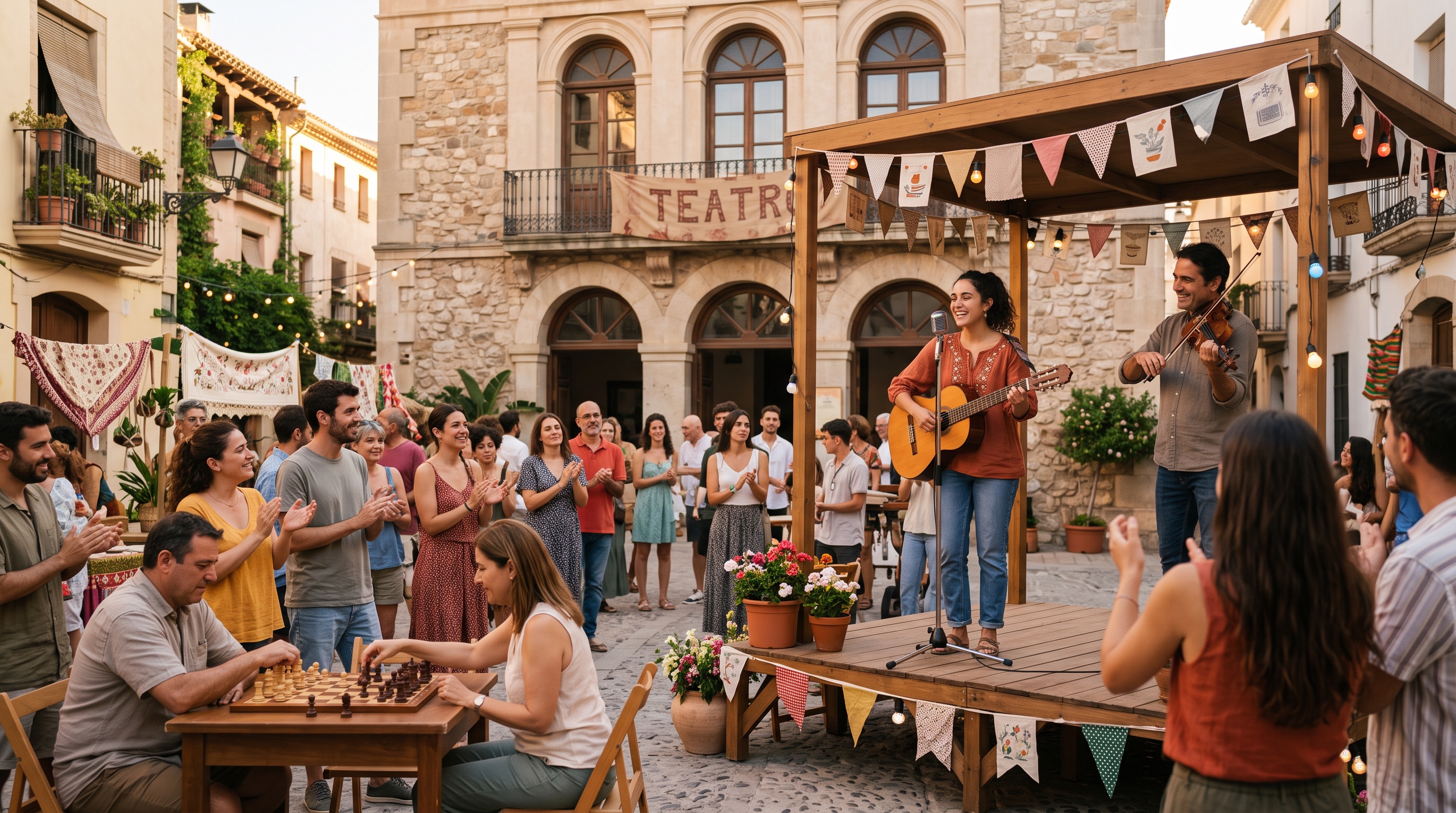
La música. La ciudad.
Definite articles. Places. Present tense.
Say tocar la guitarra and jugar al ajedrez, while using un or una for a physical object.
Choose articles with languages, school subjects, public services, media, nature, and places in town.
Use al and del correctly with common destinations and origins.
Recognize the few everyday destinations that normally use no article: casa, correos, and clase.
Form and use the regular present tense of vivir and escribir.
Video lesson
Watch the guided lesson first, then work through the festival story and interactive practice below.
Open on YouTubeThis is the heart of the lesson: the definite article often marks a familiar activity, while an indefinite article points to one object that a person has, needs, or buys.
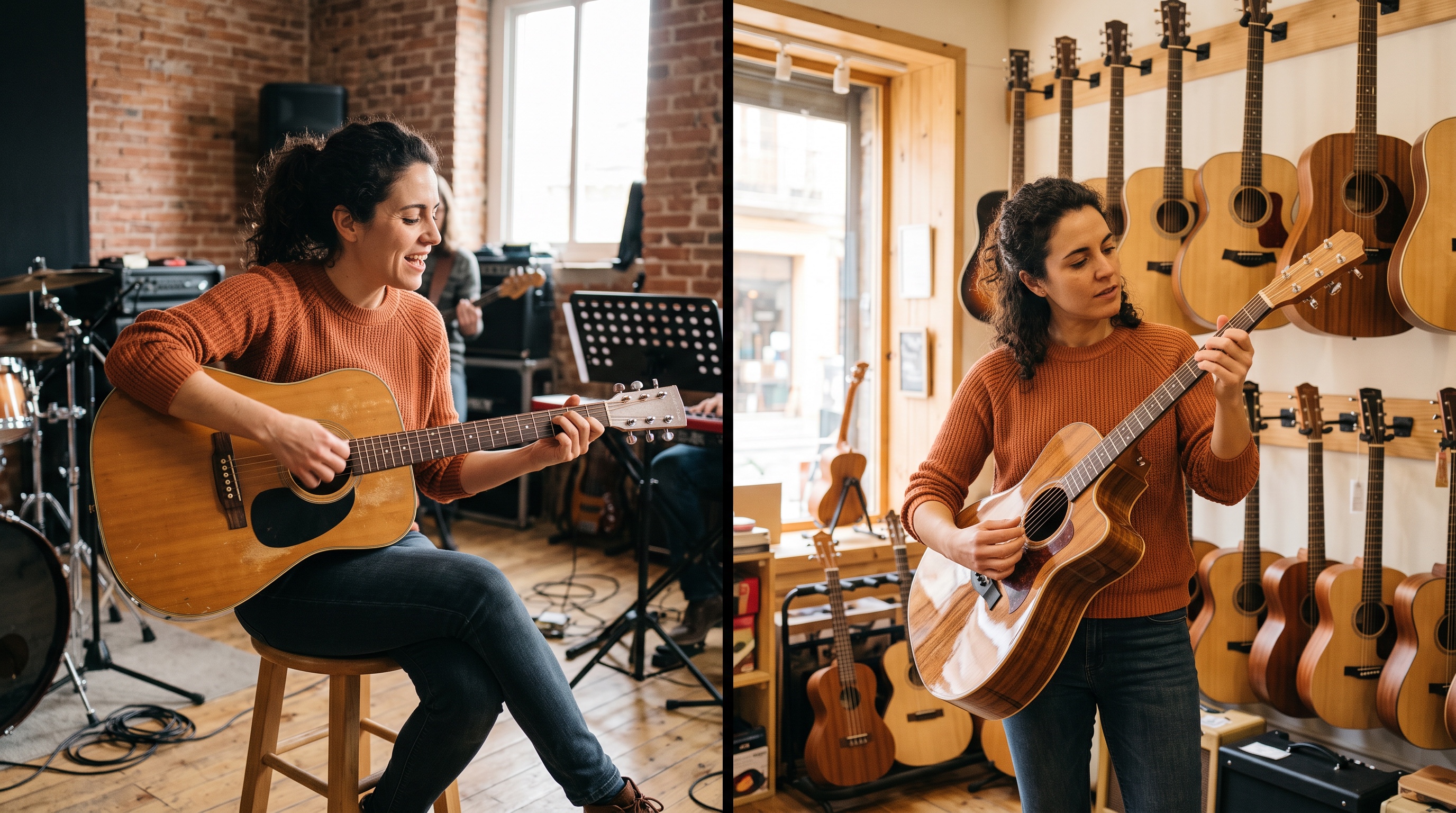
Toca la guitarra. Necesita una guitarra.
The action and the object are different ideas.
With tocar and jugar, Spanish often names the activity with a definite article. With tener, necesitar, or comprar, you usually mean one countable object and use an indefinite article.
Lucía toca la guitarra.
Lucía plays the guitar.
Mateo necesita una guitarra.
Mateo needs a guitar.
Jugamos al ajedrez.
We play chess.
Hacemos gimnasia.
We do gymnastics.
Tocamos el piano.
We play the piano.
Compramos un piano.
We buy a piano.
Jugamos al fútbol / a las cartas.
We play football / cards.
Hacemos gimnasia.
We do gymnastics.
See the article patterns together: a language as a subject, a service we know, and one physical thing you can buy.
Use the article when you describe a language or subject as an idea. After hablar, saber, enseñar, or estudiar, Spanish normally omits it.
El español es bonito.
Spanish is beautiful.
Nora habla español.
Nora speaks Spanish.
Las matemáticas son útiles.
Maths is useful.
Carlos estudia Historia.
Carlos studies History.
The article points to familiar institutions and general concepts: la radio, las noticias, la policía, los bomberos, el mar, and la naturaleza. Use una radio, una televisión, or una noticia for one device or one individual item.
Escucho la radio.
I listen to the radio.
Tenemos una televisión nueva.
We have a new television.
Llaman a los bomberos.
They call the firefighters.
Paseamos por el mar.
We walk by the sea.
El español es bonito. / Hablo español.
Spanish is beautiful. / I speak Spanish.
Escucho la radio. / Tengo una radio.
I listen to the radio. / I have a radio.
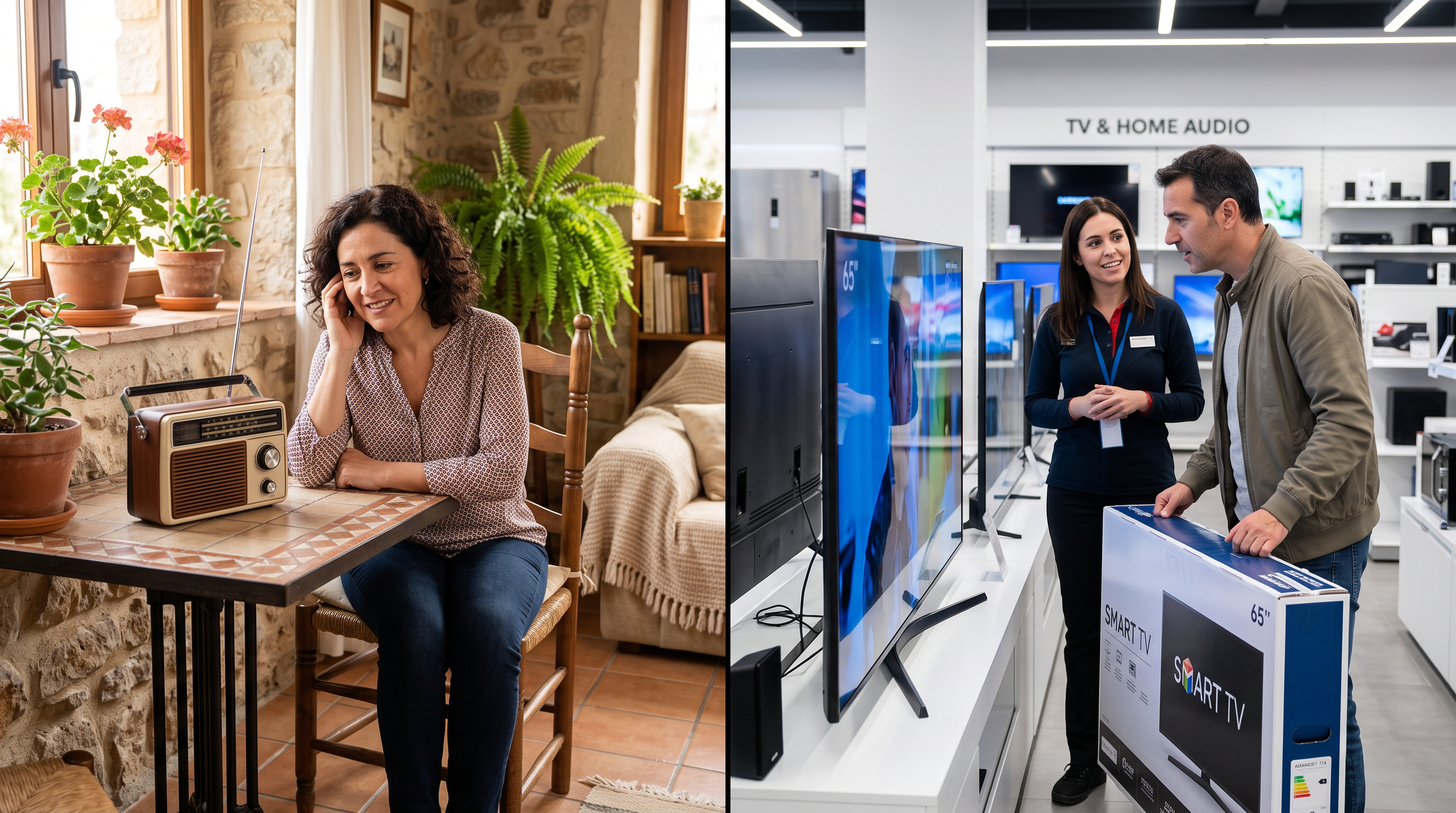
La radio. Una televisión.
A service and one device need different articles.
Keep the contractions as whole phrases: al teatro and del dentista. Then notice three everyday exceptions: a casa, a correos, and a clase.
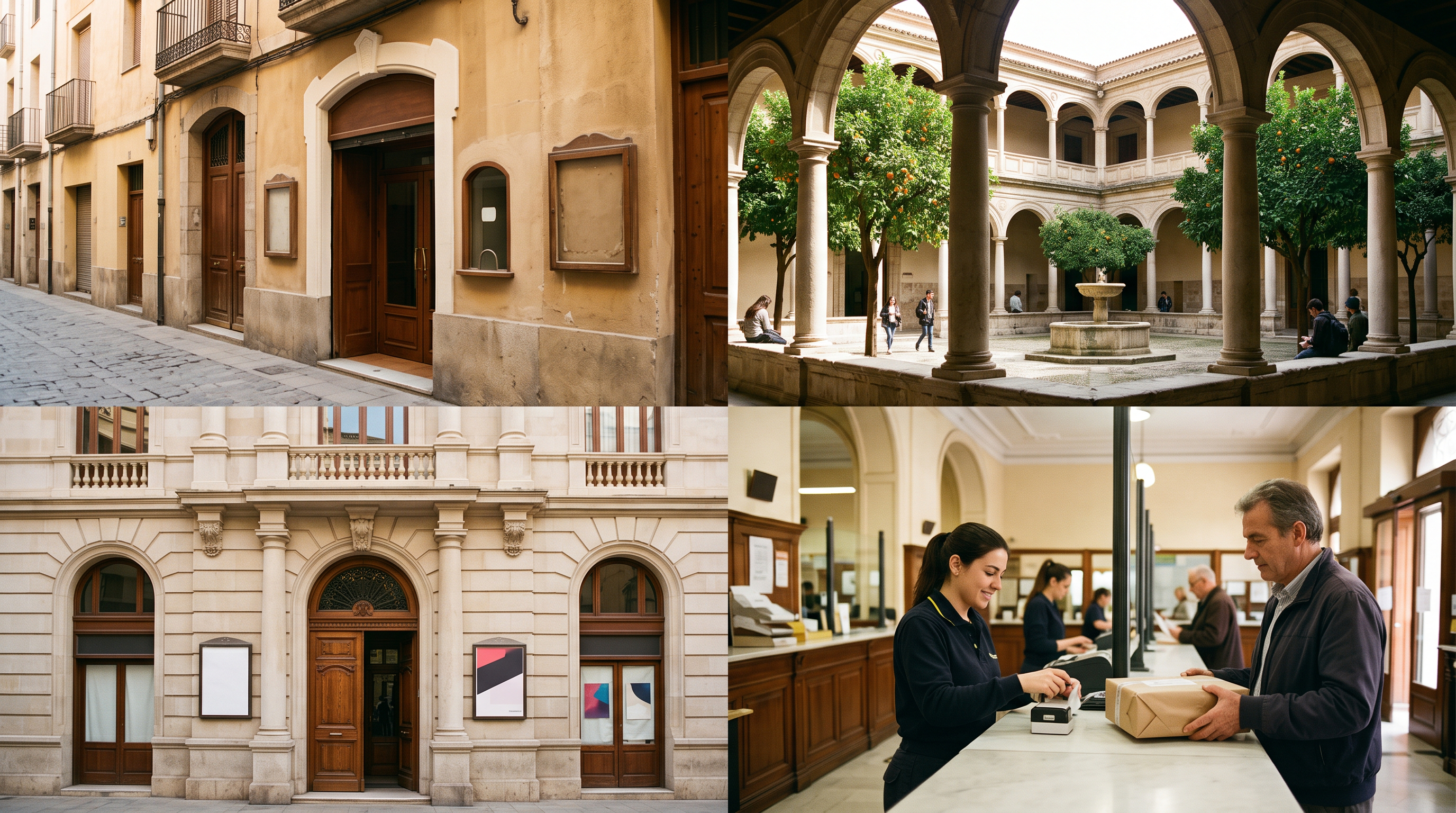
Una ruta del festival
The places form one clear city story.
Many destinations use an article, so a + el becomes al and de + el becomes del. A few common words normally stay bare: casa, correos, and clase.
Vamos al cine.
We go to the cinema.
Vengo del médico.
I come from the doctor.
Está en la universidad.
He or she is at university.
Vuelvo a casa.
I return home.
Voy al cine. Vamos al teatro.
I go to the cinema. We go to the theatre.
Vengo del médico. Está en la oficina.
I come from the doctor. He is in the office.
Voy a casa / a correos / a clase.
I go home / to the post office / to class.
These are new words for the story. Learn the full Spanish phrase, not only the noun.
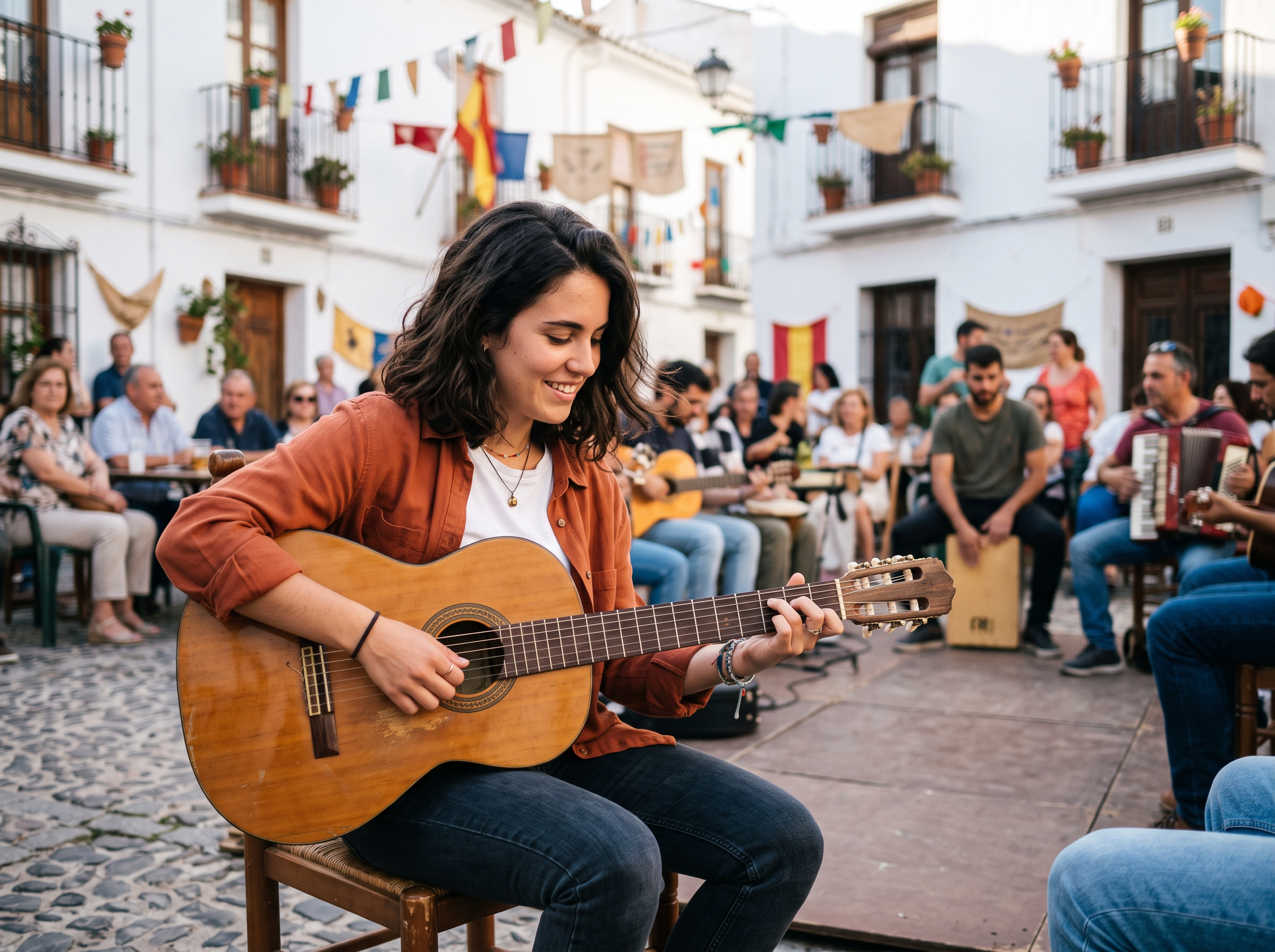
On stage
el ensayo
the rehearsal
el escenario
the stage
el cartel
the poster
el violín
the violin
la trompeta
the trumpet
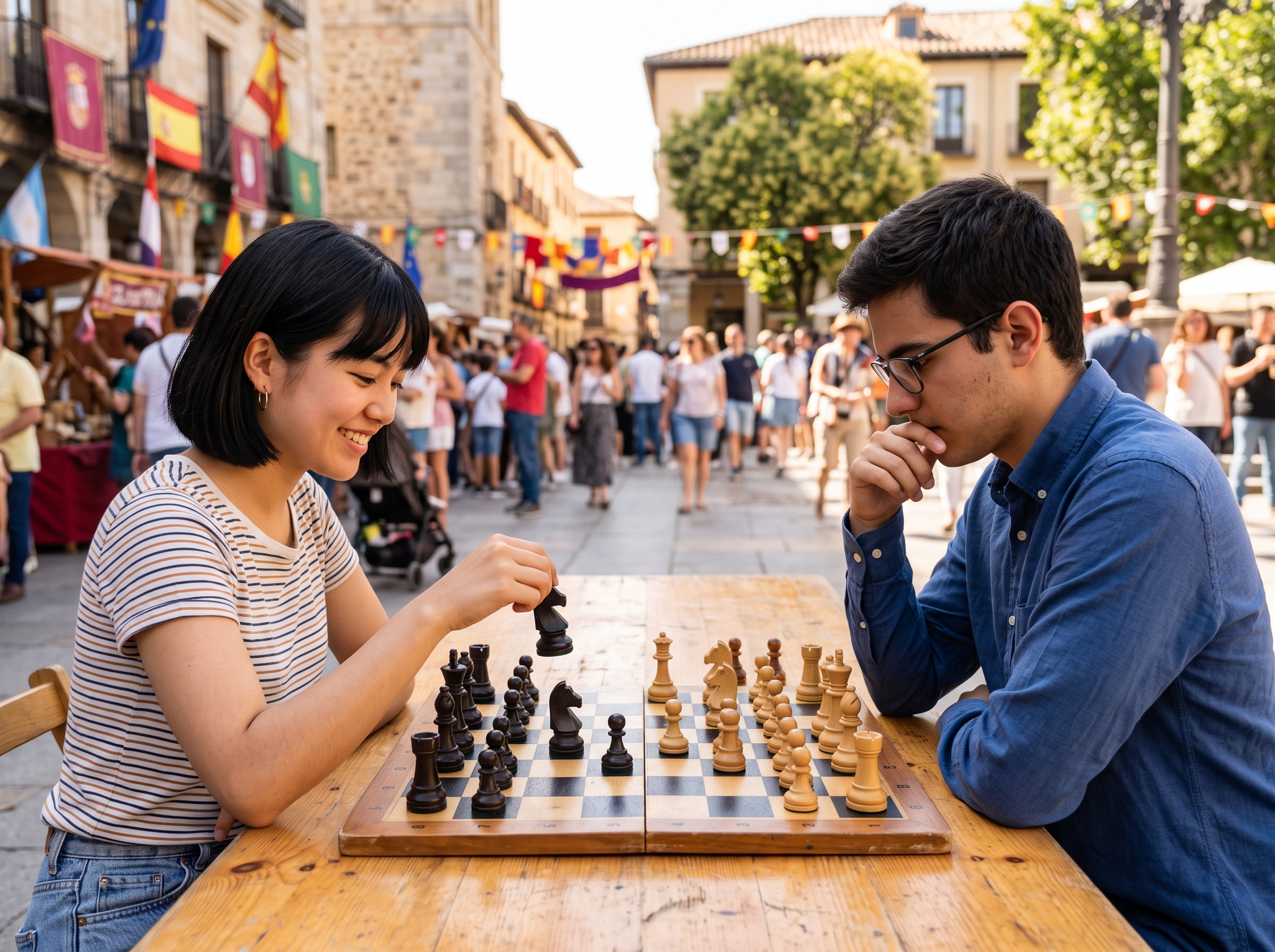
Around the festival
el ajedrez
chess
las cartas
cards
la emisora
the radio station
el periódico
the newspaper
las noticias
the news
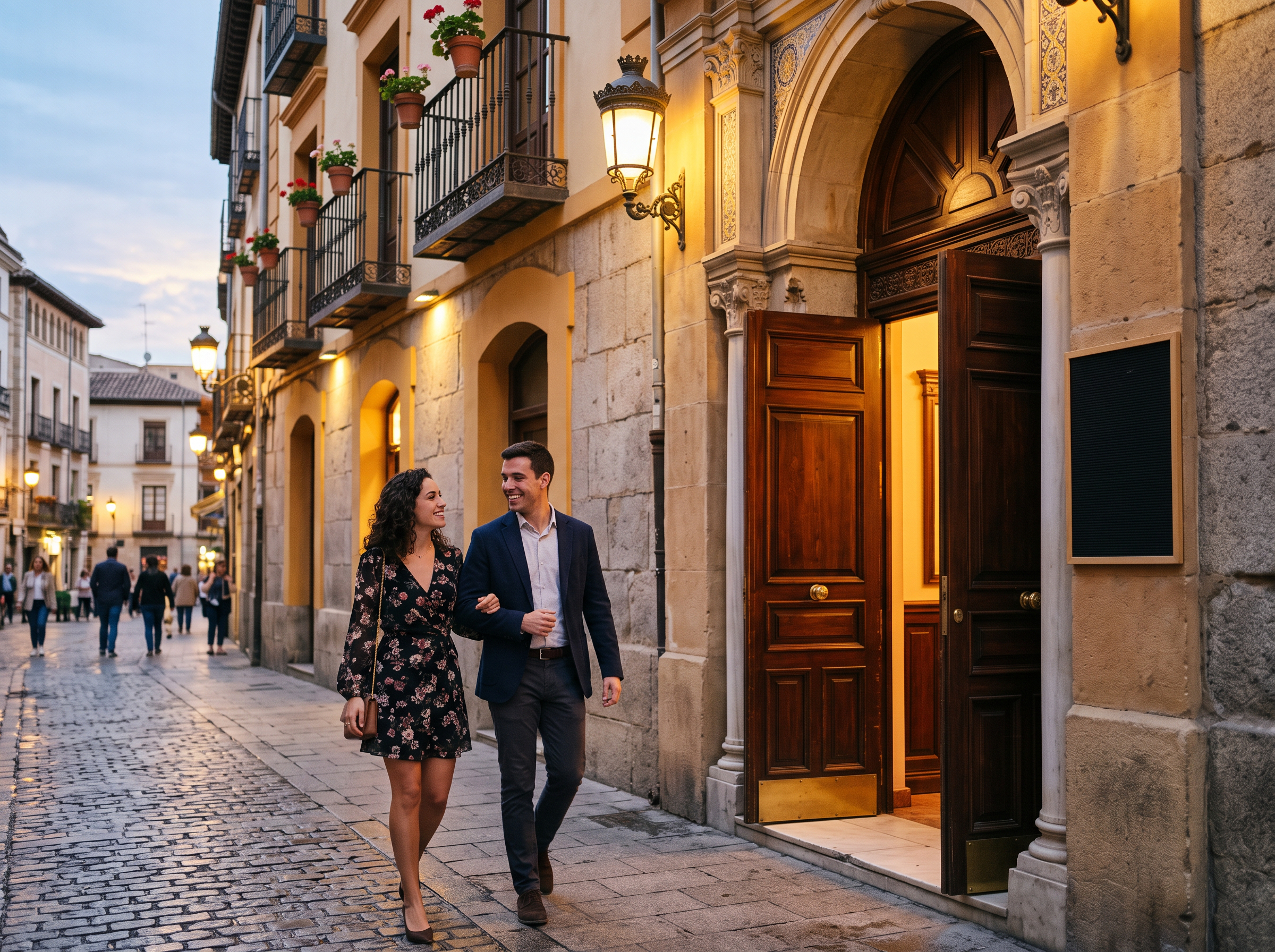
Around town
la policía
the police
los bomberos
the firefighters
el teatro
the theatre
el cine
the cinema
el hospital
the hospital
la oficina
the office
el dentista
the dentist
el mar
the sea
la naturaleza
nature
la función
the performance
el público
the audience
Most endings look familiar. Watch the two places where -er and -ir truly differ: nosotros and vosotros.
yo
corro
vivo
tú
corres
vives
él / ella
corre
vive
nosotros
corremos
vivimos
vosotros
corréis
vivís
ellos / ellas
corren
viven
yo
vivo
I live
tú
vives
you live
él / ella / usted
vive
he / she / you formal live(s)
nosotros / nosotras
vivimos
we live
vosotros / vosotras
vivís
you all live
ellos / ellas / ustedes
viven
they / you all live
yo
escribo
I write
tú
escribes
you write
él / ella / usted
escribe
he / she / you formal write(s)
nosotros / nosotras
escribimos
we write
vosotros / vosotras
escribís
you all write
ellos / ellas / ustedes
escriben
they / you all write
Yo vivo cerca del teatro.
I live near the theatre.
Nora escribe una canción.
Nora writes a song.
Nosotros escribimos el programa.
We write the programme.
Follow one evening from rehearsal to theatre. The check comes immediately afterwards, while the details are still fresh.
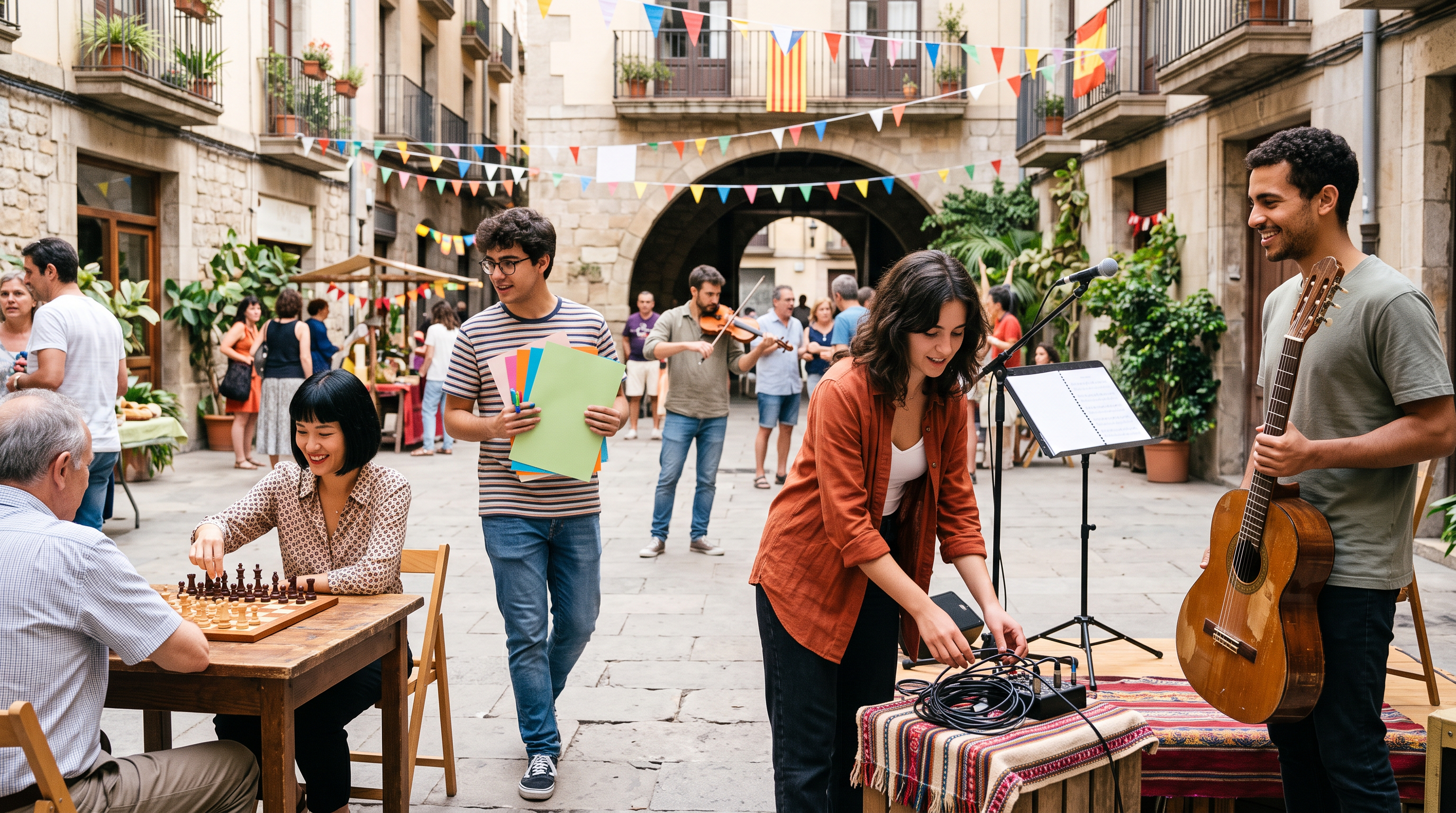
Una noche en la plaza
A story about music, games, media, and the city.
Focus phrases
Lucía vive cerca de la plaza y organiza un pequeño festival del barrio. Por la tarde, prepara el escenario y escribe el programa. Su amigo Mateo toca la guitarra y una vecina toca el violín. Mateo necesita una trompeta para otra canción, pero hoy toca la guitarra.
Lucía lives near the square and organises a small neighbourhood festival. In the afternoon, she prepares the stage and writes the programme. Her friend Mateo plays the guitar and a neighbour plays the violin. Mateo needs a trumpet for another song, but today he plays the guitar.
En la plaza, Nora y Carlos juegan al ajedrez. Otros amigos juegan a las cartas y los niños hacen gimnasia. Nora habla español con la directora, pero en la universidad estudia Historia y matemáticas.
In the square, Nora and Carlos play chess. Other friends play cards and the children do gymnastics. Nora speaks Spanish with the director, but at university she studies History and maths.
A las ocho, todos escuchan las noticias en la radio local. La organización llama a la policía y a los bomberos para coordinar el evento. El festival también recauda dinero para proteger el mar y la naturaleza.
At eight, everyone listens to the news on local radio. The organisers call the police and firefighters to coordinate the event. The festival also raises money to protect the sea and nature.
Después del concierto, Lucía y Mateo van al teatro. Carlos va a correos con los carteles y luego vuelve a casa. Nora viene del dentista y llega justo a tiempo. Al final, ella escribe una canción nueva para el próximo festival.
After the concert, Lucía and Mateo go to the theatre. Carlos goes to the post office with the posters and then returns home. Nora comes from the dentist and arrives just in time. At the end, she writes a new song for the next festival.
Exercise 9
Answer in Spanish. The answers come directly from the reading above.
¿Qué toca Lucía en el escenario?
¿Qué hace Mateo en la plaza?
¿Qué lengua habla Nora con la directora?
¿Qué escuchan a las ocho?
¿Adónde van después del concierto?
¿Adónde vuelve Carlos con los carteles?
¿Dónde vive Lucía?
¿Qué escribe Nora?
First solve three connected texts directly inside the story. Then practise images, articles, contractions, present-tense forms, and full sentences.
Three connected festival texts
Type into the sentence and press Enter for feedback. Article blanks visibly include a No article option.
Texto 1: El ensayo
Complete the rehearsal story with present-tense forms and articles.
Lucía (vivir) cerca de plaza y (escribir) el programa del festival.
En ensayo, Mateo toca guitarra, pero necesita trompeta nueva.
Texto 2: La plaza
Complete games, languages, subjects, and a place in town.
En la plaza, Nora y Carlos juegan ajedrez. Otros amigos juegan las cartas y los niños hacen gimnasia.
Nora habla español, pero estudia Historia y matemáticas en universidad.
Texto 3: La noche del festival
Complete media, public services, and destinations. Watch for al, del, and No article.
A las ocho, todos escuchan radio y noticias. La organización llama a policía y a bomberos.
Después van teatro. Carlos va a correos y luego vuelve a casa. Nora viene dentista.
0/20 answers entered
Interactive practice
This lesson behaves like a real app module: choose answers, get immediate feedback, hear Spanish phrases, and reset the whole round when you want another pass.
Exercise 2
Choose the complete Spanish phrase that matches each festival scene.
¿Qué hace Lucía en el ensayo?
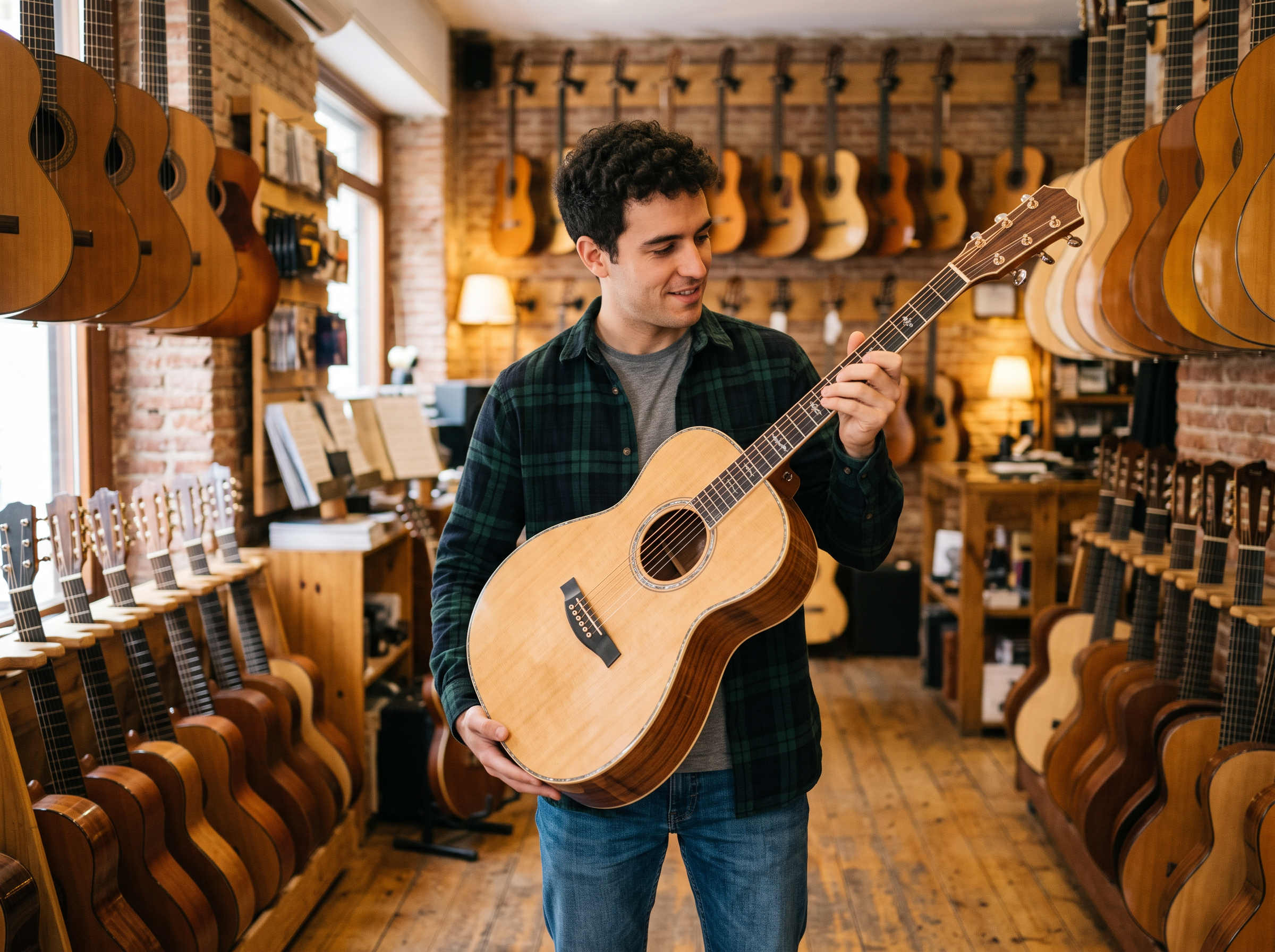
¿Qué necesita Mateo para el concierto?
¿A qué juegan Nora y Carlos?
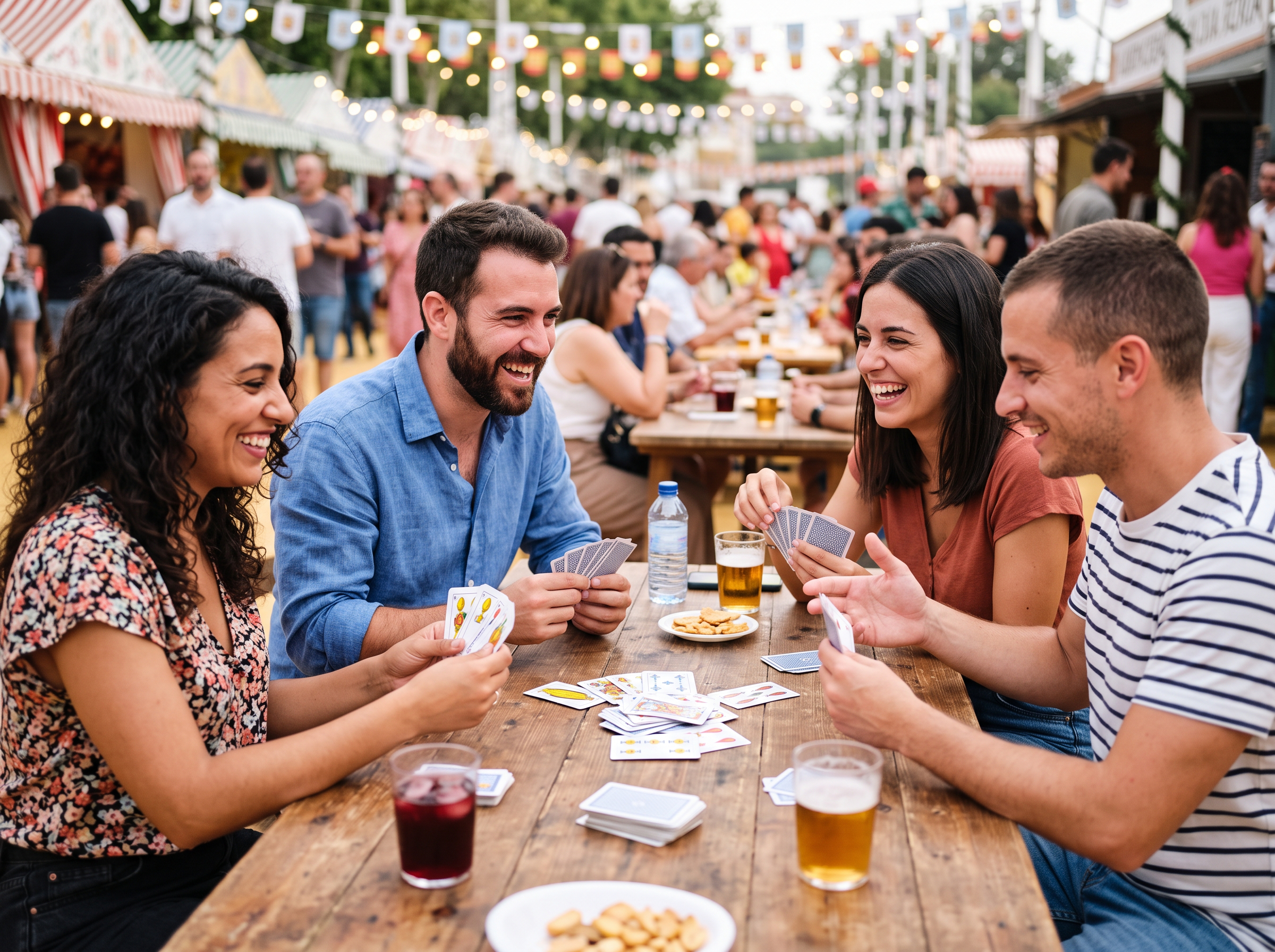
¿A qué juegan los amigos?
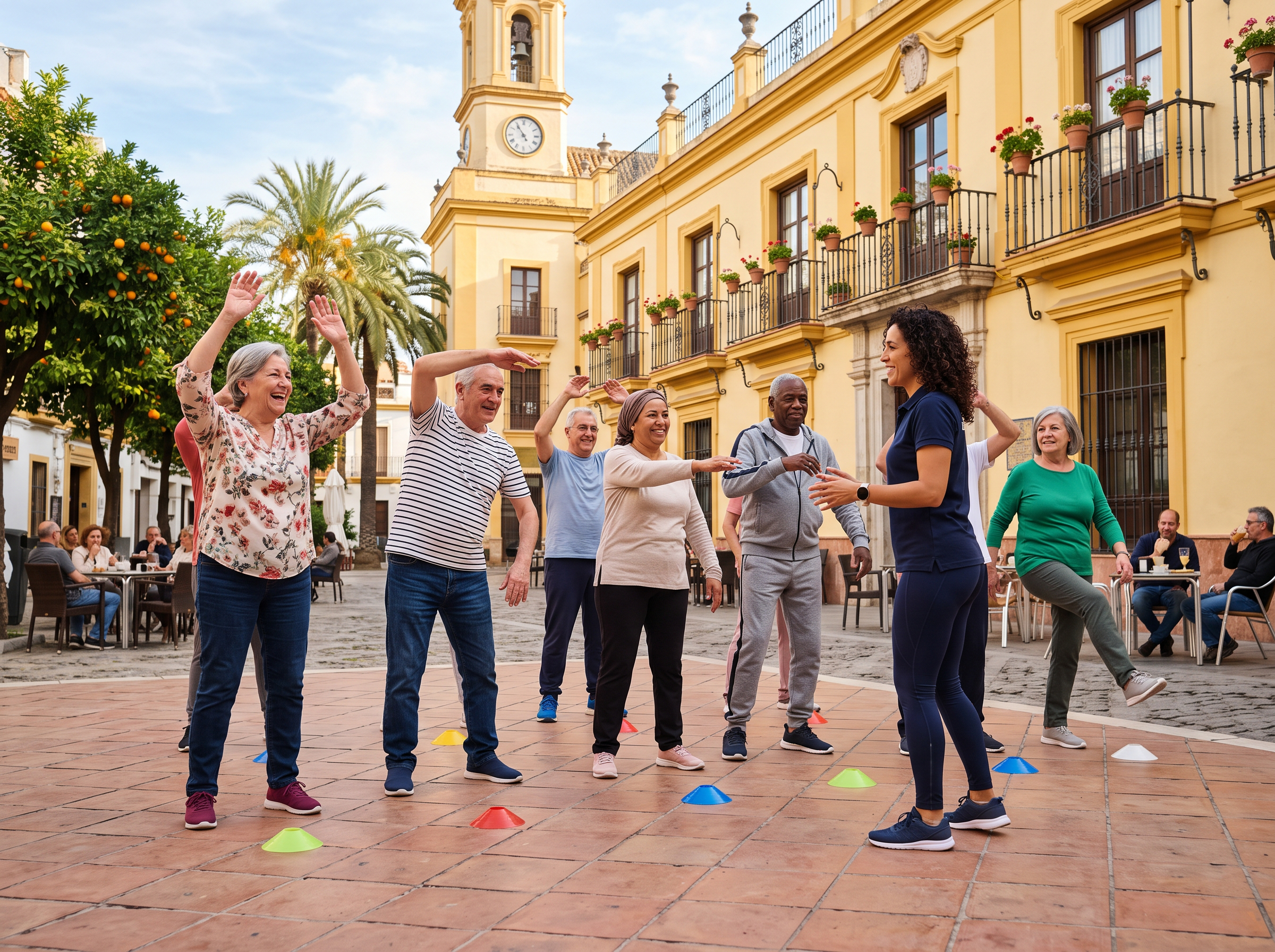
¿Qué hacen en la plaza?
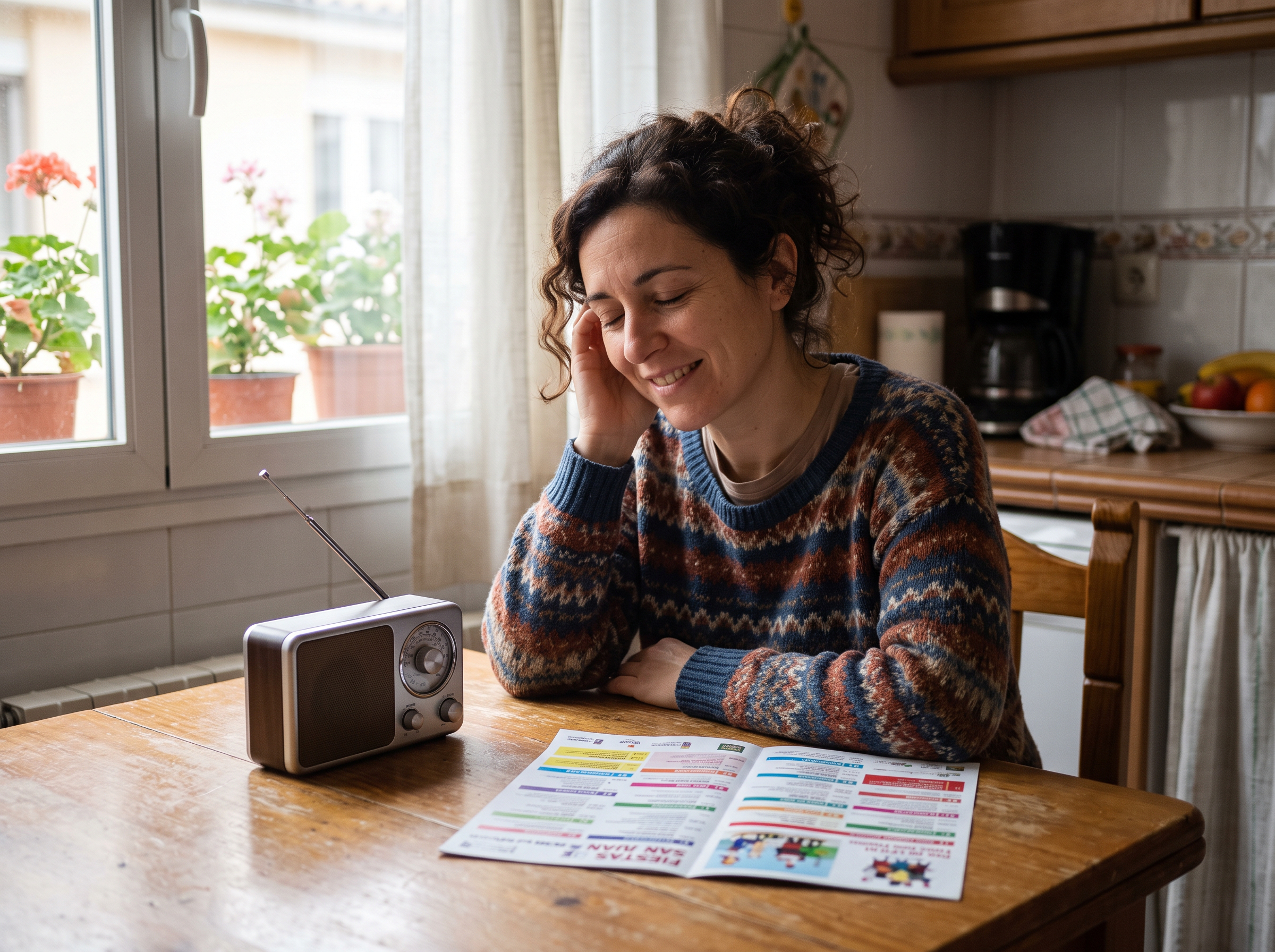
¿Qué escucha Inés antes del concierto?
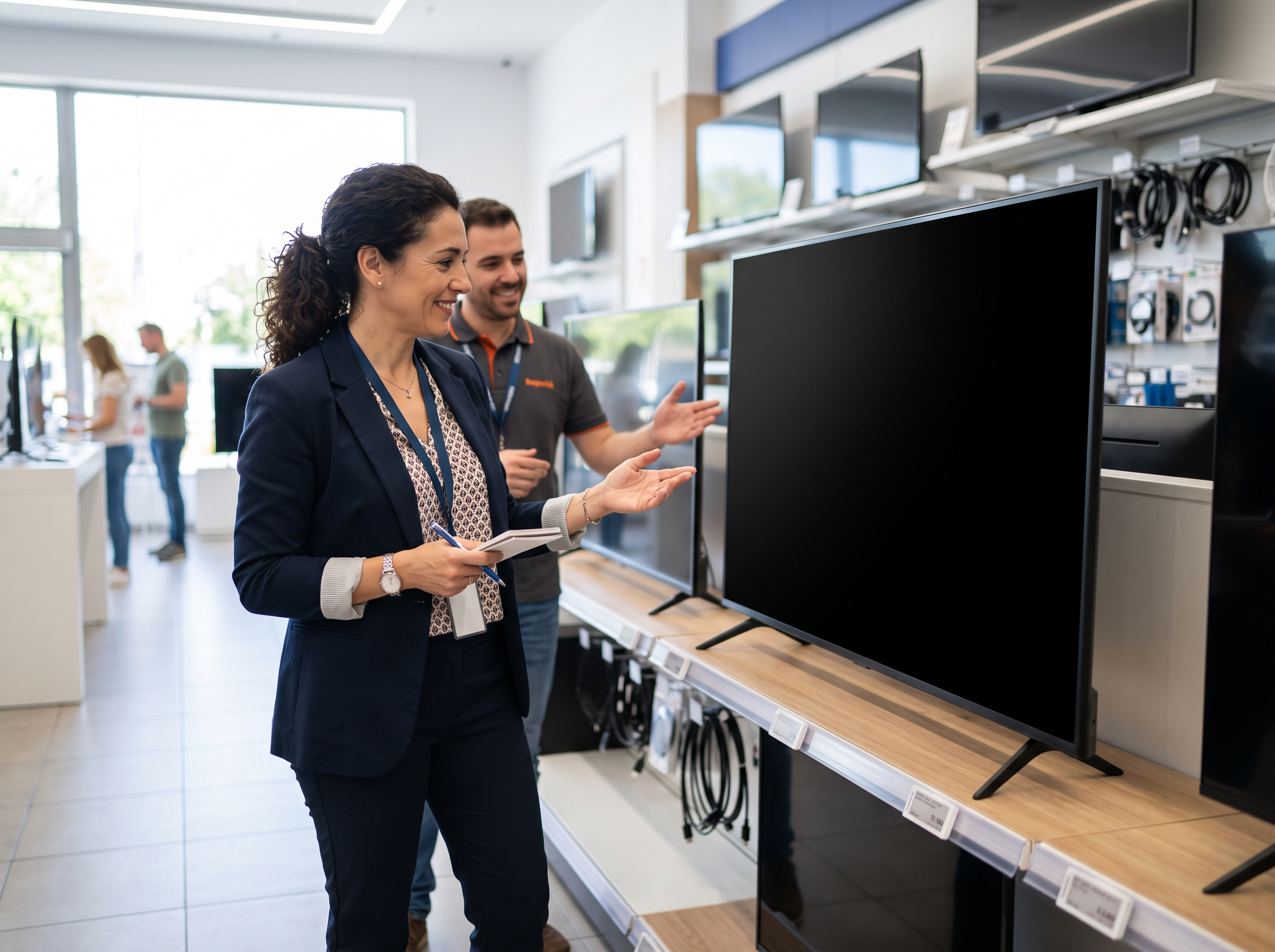
¿Qué compra el centro cultural?
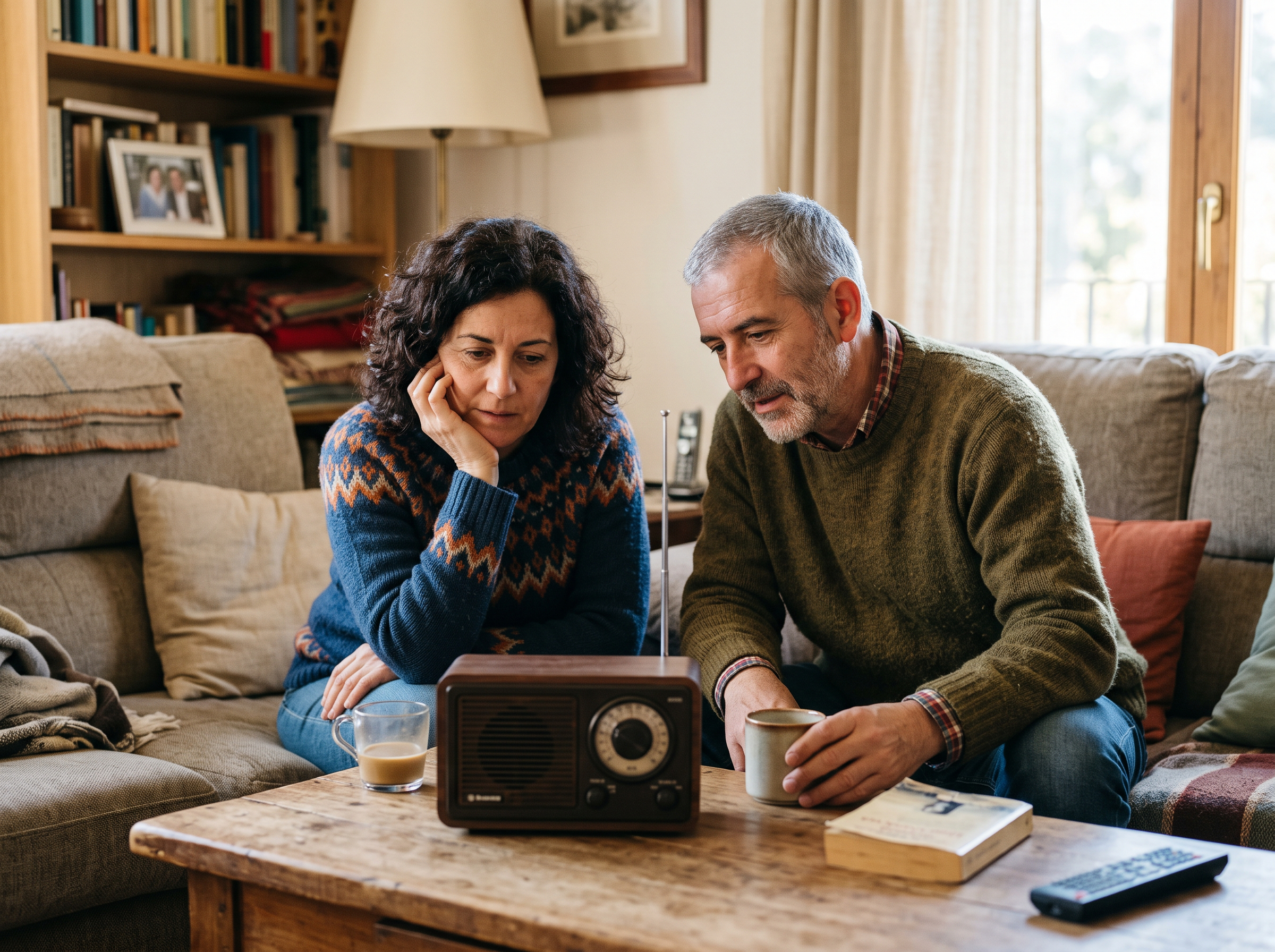
¿Qué escuchan a las ocho?
¿Adónde van después del ensayo?
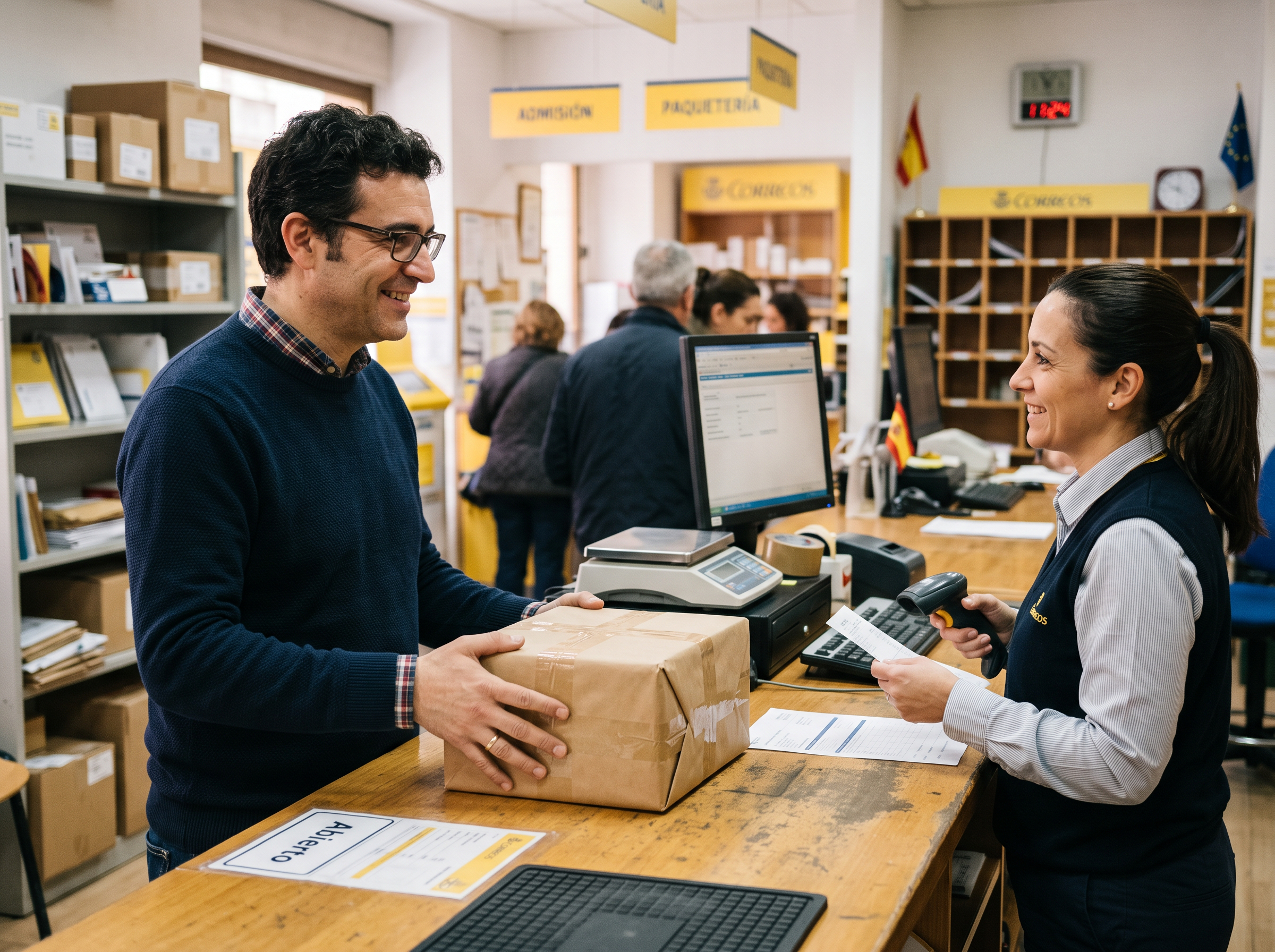
¿Adónde va Carlos con el paquete?
Exercise 3
Type the article or contraction. Every card also offers No article when the sentence needs none.
Lucía toca ___ violín en el concierto.
Type the missing Spanish word or phrase only.
El grupo necesita ___ trompeta nueva.
Type the missing Spanish word or phrase only.
Los niños juegan ___ fútbol después de clase.
Type the missing Spanish word or phrase only.
¿Sabes jugar ___ tenis?
Type the missing Spanish word or phrase only.
___ español suena muy bien en la canción.
Type the missing Spanish word or phrase only.
Nora habla ___ español con su abuela.
Type the missing Spanish word or phrase only.
___ matemáticas son importantes para Carlos.
Type the missing Spanish word or phrase only.
Carlos estudia ___ Historia en la universidad.
Type the missing Spanish word or phrase only.
La organización llama a ___ policía.
Type the missing Spanish word or phrase only.
Los vecinos llaman a ___ bomberos.
Type the missing Spanish word or phrase only.
Por la mañana escuchamos ___ radio.
Type the missing Spanish word or phrase only.
Marina tiene ___ noticia fantástica.
Type the missing Spanish word or phrase only.
Después del festival, pasean por ___ mar.
Type the missing Spanish word or phrase only.
El festival protege ___ naturaleza.
Type the missing Spanish word or phrase only.
El domingo vamos ___ cine.
Type the missing Spanish word or phrase only.
Mateo viene ___ médico antes del ensayo.
Type the missing Spanish word or phrase only.
Nora está en ___ universidad por la mañana.
Type the missing Spanish word or phrase only.
Después, todos vuelven a ___ casa.
Type the missing Spanish word or phrase only.
A las cuatro, Lucía va a ___ clase de música.
Type the missing Spanish word or phrase only.
Exercise 4
Choose the regular -ir form that matches the subject. The correct answer changes position every time.
yo + vivir
tú + vivir
ella + vivir
nosotros + vivir
vosotros + vivir
ellos + vivir
yo + escribir
tú + escribir
ella + escribir
nosotros + escribir
vosotros + escribir
ellos + escribir
Exercise 5
Type the correct regular -ir present-tense form from the verb in parentheses.
Yo ___ cerca de la plaza. (vivir)
Type the missing Spanish word or phrase only.
Tú ___ junto al teatro. (vivir)
Type the missing Spanish word or phrase only.
Lucía ___ en el centro. (vivir)
Type the missing Spanish word or phrase only.
Nosotros ___ cerca del mar. (vivir)
Type the missing Spanish word or phrase only.
Vosotros ___ en una calle tranquila. (vivir)
Type the missing Spanish word or phrase only.
Ellos ___ frente al cine. (vivir)
Type the missing Spanish word or phrase only.
Yo ___ un cartel para el festival. (escribir)
Type the missing Spanish word or phrase only.
Tú ___ las noticias para la radio. (escribir)
Type the missing Spanish word or phrase only.
Nora ___ una canción nueva. (escribir)
Type the missing Spanish word or phrase only.
Nosotros ___ a los músicos. (escribir)
Type the missing Spanish word or phrase only.
Vosotros ___ el programa. (escribir)
Type the missing Spanish word or phrase only.
Ellos ___ una invitación. (escribir)
Type the missing Spanish word or phrase only.
Exercise 6
Choose the one complete, natural sentence.
Lucía / tocar / guitarra
Mateo / comprar / piano
Nosotros / jugar / ajedrez
Valeria / hablar / español
Cada mañana / escuchar / radio
El centro / tener / televisión nueva
Después / ir / teatro
Carlos / ir / correos
Lesson result
The goal is not one lucky answer. The goal is fast recognition: article, gender pattern, noun phrase, then sound.
0
correct answers