Replace a clear, previously named clothing noun with el, la, los, or las plus an adjective.
A1 lesson 11
¿Cuál te llevas?
El rojo. Uno rojo. ¿Cuál quieres?
Choose clothes, describe them, and leave out a noun when everyone already knows what you mean.
Palabras nuevas de la lección
la chaquetajacket
las botasboots
la dependientashop assistant
el escaparateshop window
la perchahanger
los accesoriosaccessories
el otoñoautumn
la ropaclothes
probarseto try on
pasearto go for a walk
ligero/alightweight
elegirto choose
- Level
- A1
- Time
- 30–35 min
- Format
- Read + practise
Distinguish un before a noun from uno used alone, and choose una, unos, or unas correctly.
Match the adjective to the understood noun and identify an item with article + de.
Use lo + adjective for a general quality and conjugate querer in the present.
En la boutique
The noun can disappear when it is already clear.
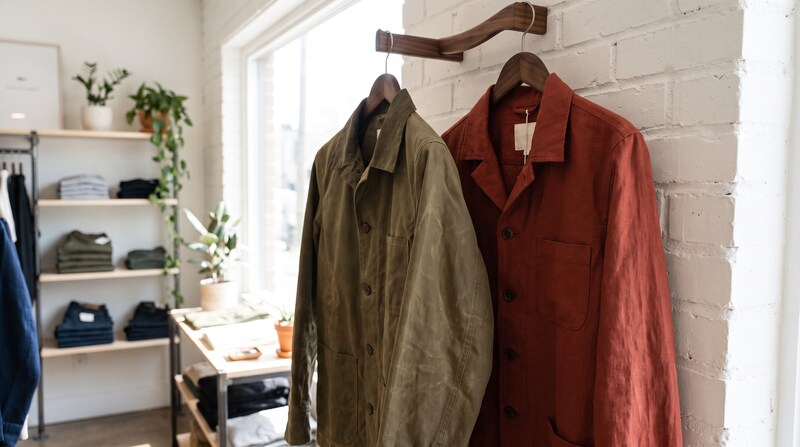
Name the clothing once. Then keep the article and adjective; the article still tells you which noun is understood.
The noun is clear: the article stays
After the noun is known, Spanish can leave it out. The article still shows gender and number, and the adjective agrees with the missing noun.
¿Qué camiseta quieres? — La roja.
¿Qué zapatos prefieres? — Los negros.
¿Qué falda? — La de la ventana.
Elige una prenda
Un becomes uno when it stands alone.
The choice can be one specific thing or one item from a category. Keep the noun's gender and number in the article and adjective.
A specific one or one from a category?
Use el, la, los, or las when you and the listener can identify the specific item. Use un, una, unos, or unas for a non-specific item from a category. If the noun is left out, un becomes uno; una and the plural forms stay the same.
¿Qué camiseta quieres? — La roja. (a specific one)
Busco una camiseta. Quiero una verde. (any green one)
Quiero un abrigo → quiero uno cómodo.
Necesito unas botas → prefiero unas negras.
Agreement follows the missing noun
The adjective keeps the gender and number of the noun it replaces. This also applies when the noun is understood rather than spoken.
el vestido negro → el negro
la camisa blanca → la blanca
los abrigos largos → los largos
las botas rojas → las rojas
De la tienda
Add detail with de. One small extra: lo + adjective.
Use el/la/los/las + de to point out an item. Use lo + adjective for a general quality or idea.
Article + de identifies the item
Use the article with de to identify an item by its owner, place, or material.
el bolso de cuero
la chaqueta de Ana
los de la percha
las del escaparate
A useful extra: lo + adjective
Lo + a masculine singular adjective talks about a general quality or idea, like ‘the good thing’. It does not replace a masculine clothing noun.
Lo bonito es el color.
Lo importante es estar cómodo.
Presente
Ahora quieres elegir: querer.
The e changes to ie in four forms. Nosotros and vosotros keep e; those are the two forms to watch.
Querer: e → ie
In the present, querer changes e to ie in four forms. Nosotros and vosotros keep e.
quiero · quieres · quiere
queremos · queréis · quieren
Personaquerer
yoquiero
túquieres
él / ella / ustedquiere
nosotros/asqueremos
vosotros/asqueréis
ellos / ellas / ustedesquieren
Lectura A1
Una tarde de compras
Read the story from beginning to end. Notice how the article stays when the noun is already clear.
EspañolEnglish translation
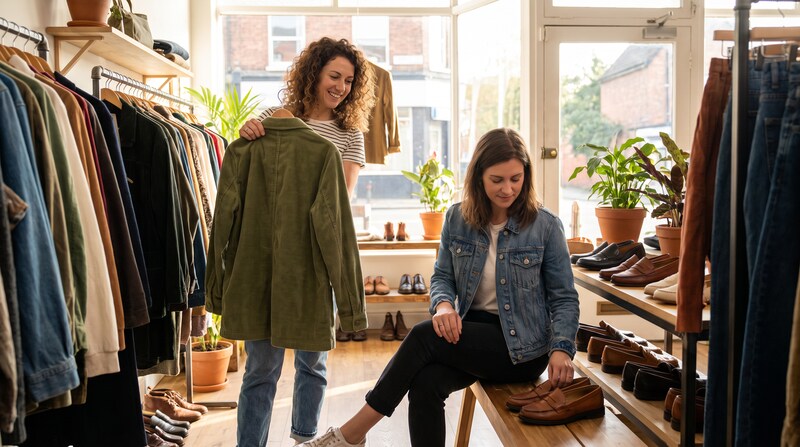
Clara y Lucía entran en una boutique pequeña. Clara busca una chaqueta para el otoño y la dependienta les enseña dos: una verde y otra marrón. Clara se prueba la verde; le gusta el color, pero quiere una más ligera.
Clara and Lucía walk into a small boutique. Clara is looking for a jacket for autumn, and the shop assistant shows them two: a green one and a brown one. Clara tries on the green one; she likes the color, but wants a lighter one.
—¿Cuál te llevas? —pregunta Lucía. —La verde, pero quiero una más ligera —contesta Clara.
‘Which one are you taking?’ Lucía asks. ‘The green one, but I want a lighter one,’ Clara replies.
Mientras Clara mira los accesorios, Lucía compara dos abrigos. Uno es corto y el otro es largo. La dependienta señala el del escaparate, y Lucía se lo prueba.
While Clara looks at the accessories, Lucía compares two coats. One is short and the other is long. The shop assistant points to the one in the window, and Lucía tries it on.
—¿Qué zapatos prefieres? —pregunta Clara. —Los marrones. Son cómodos y nosotras queremos caminar mucho por la ciudad.
‘Which shoes do you prefer?’ Clara asks. ‘The brown ones. They’re comfortable, and we want to walk around the city a lot.’
Al final, las dos eligen algo sencillo. Lo mejor de la tarde es encontrar ropa cómoda juntas y salir a pasear.
In the end, they both choose something simple. The best thing about the afternoon is finding comfortable clothes together and going for a walk.
la verdeuna más ligerauno es cortoel del escaparatelos marronesqueremoslo mejor
Completa la frase. Then choose with confidence.
Work through article choice, agreement, descriptions with de, lo + adjective, and every form of querer. Each answer gives you immediate feedback.
Interactive practice
Click, listen, correct, repeat.
This lesson behaves like a real app module: choose answers, get immediate feedback, hear Spanish phrases, and reset the whole round when you want another pass.
0/ 39 correct
Exercise 1
Completa la frase: el nombre ya está claro
Complete with the article or standalone form. The noun is understood from the question or context.
0/10 correct
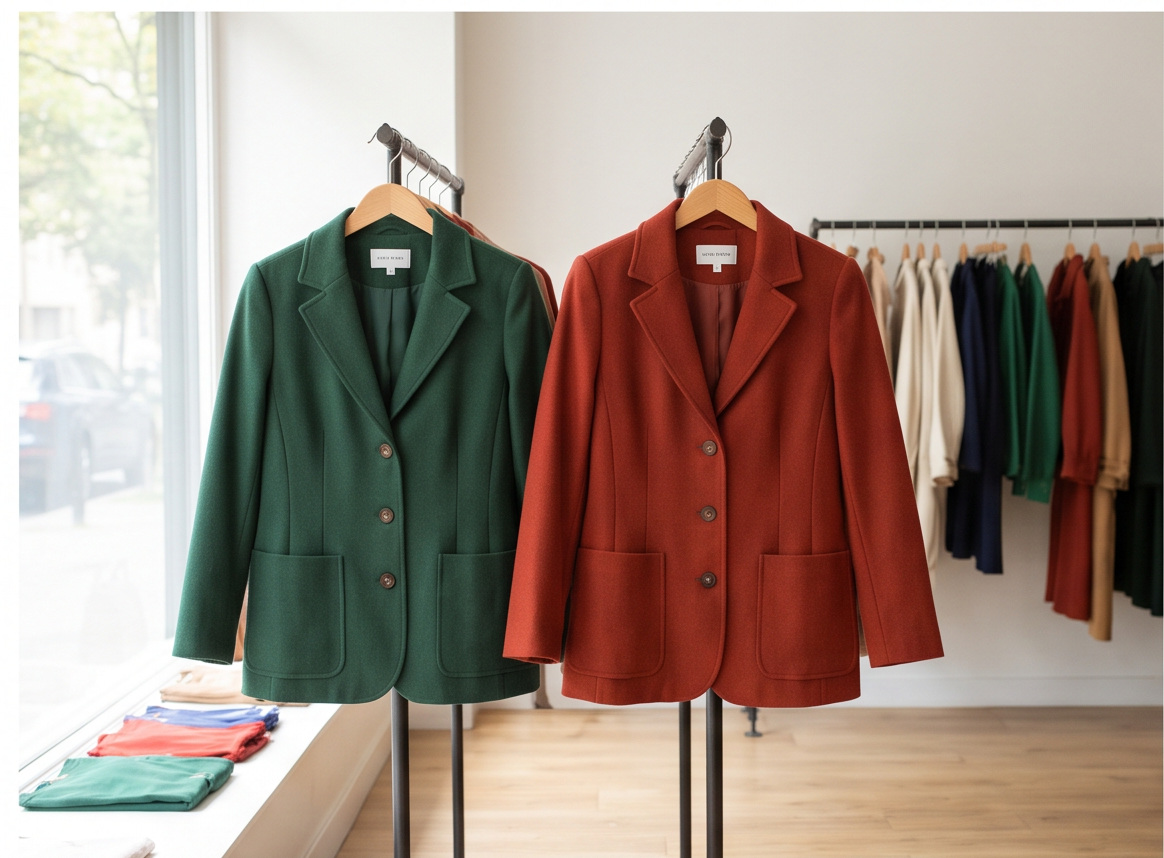
¿Qué chaqueta prefieres? — ___ verde.
Type the missing Spanish word or phrase.
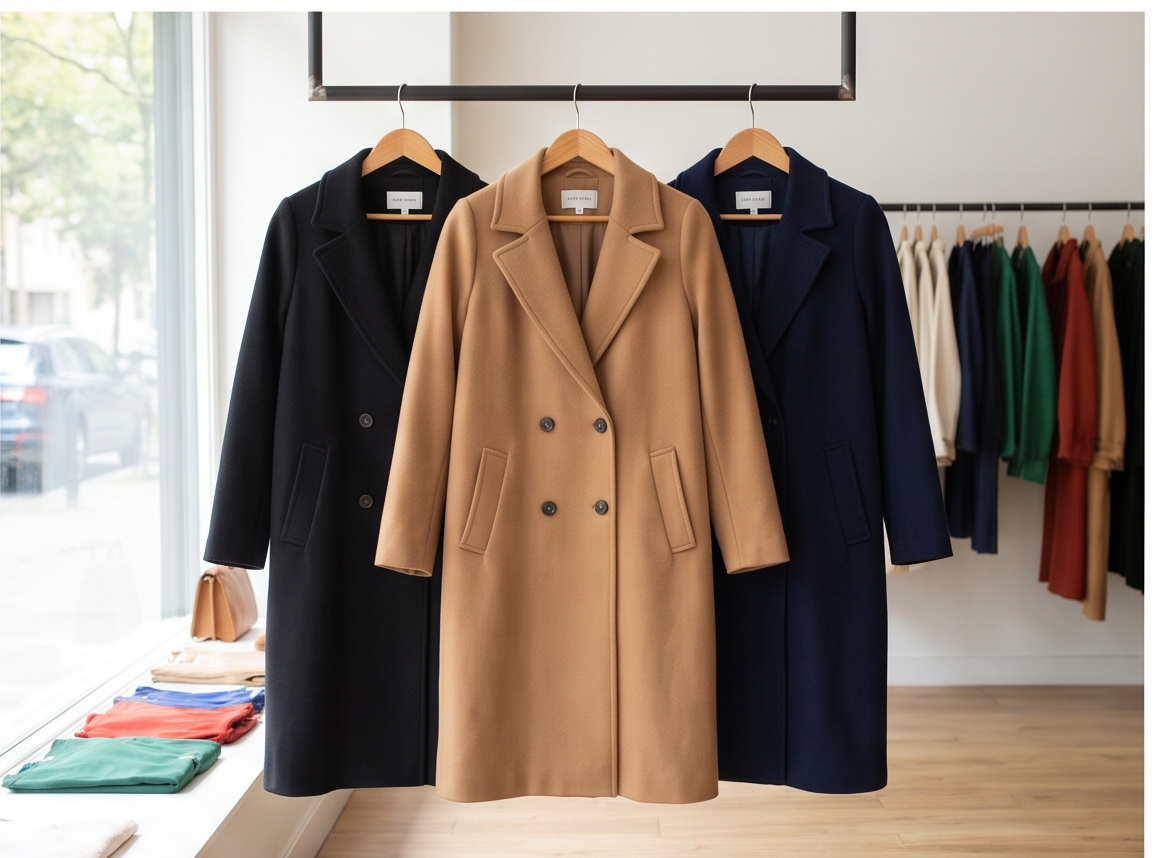
¿Qué abrigos miras? — ___ oscuros.
Type the missing Spanish word or phrase.
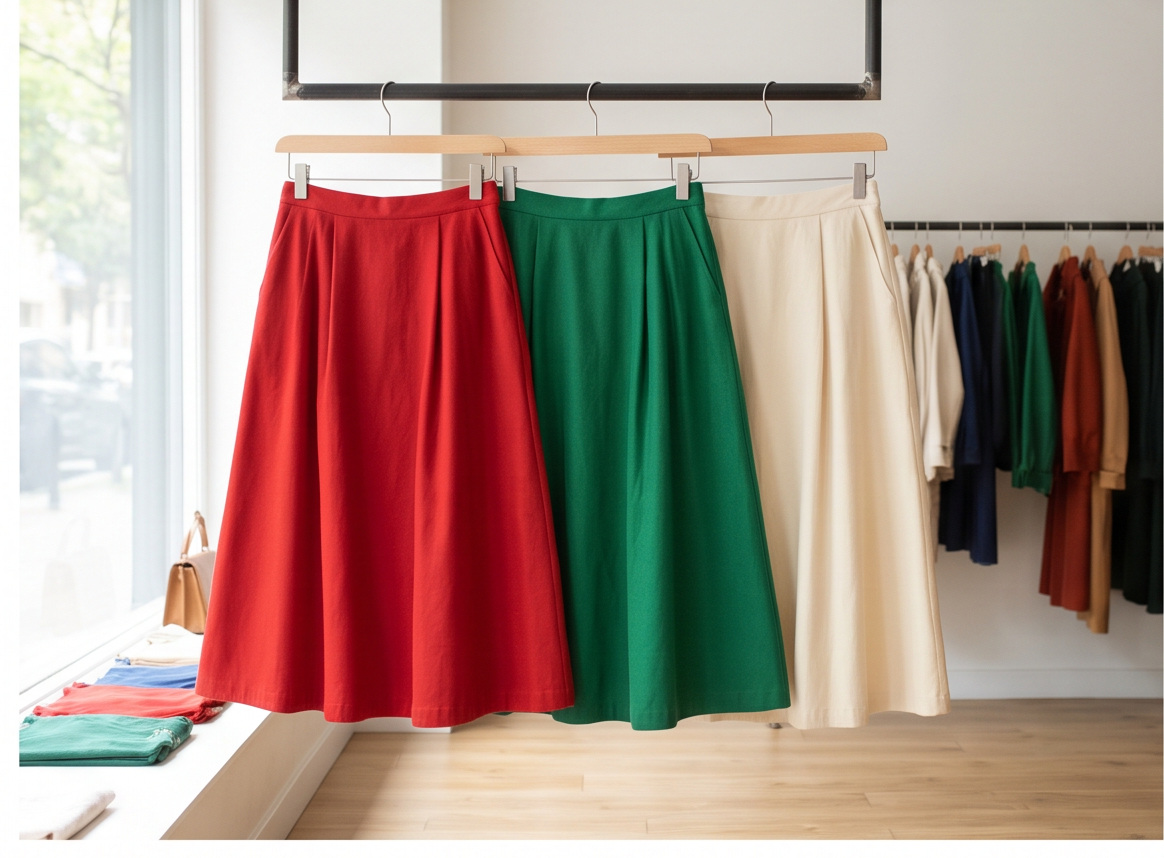
¿Qué faldas te gustan? — ___ largas.
Type the missing Spanish word or phrase.
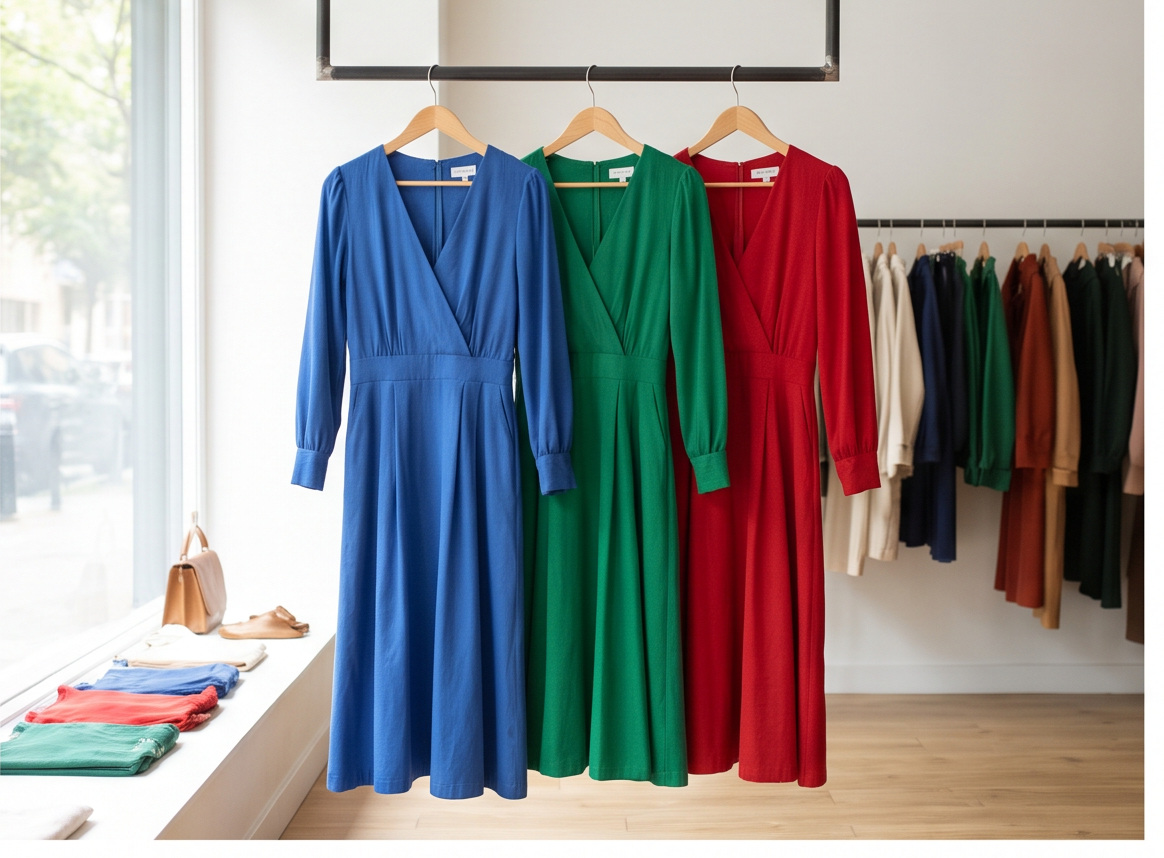
¿Cuál es tu vestido? — ___ de la derecha.
Type the missing Spanish word or phrase.
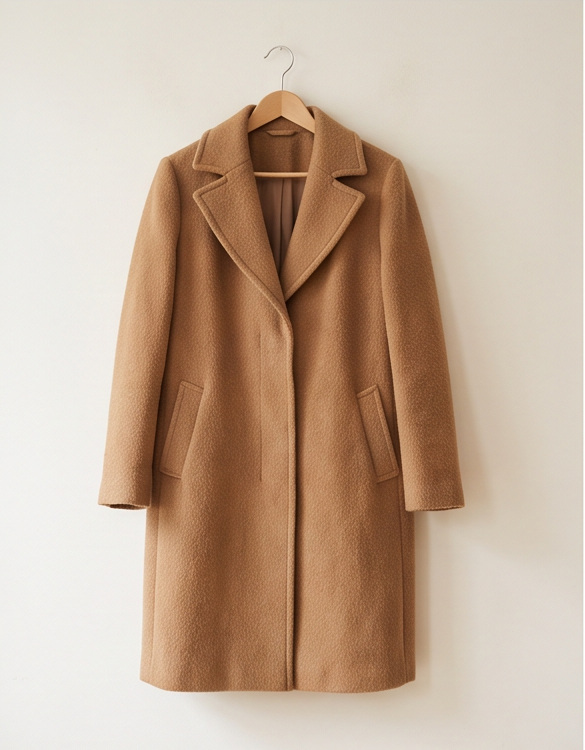
Busco un abrigo. Quiero ___ largo.
Type the missing Spanish word or phrase.
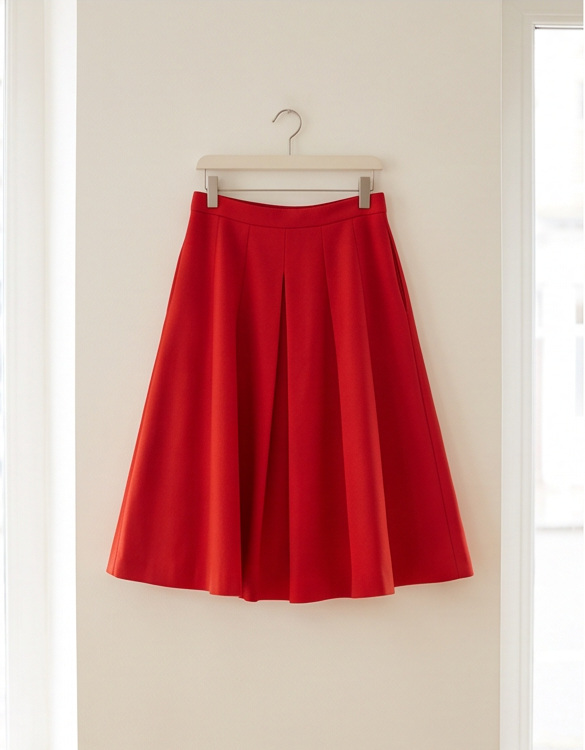
Busco una falda. Quiero ___ roja.
Type the missing Spanish word or phrase.
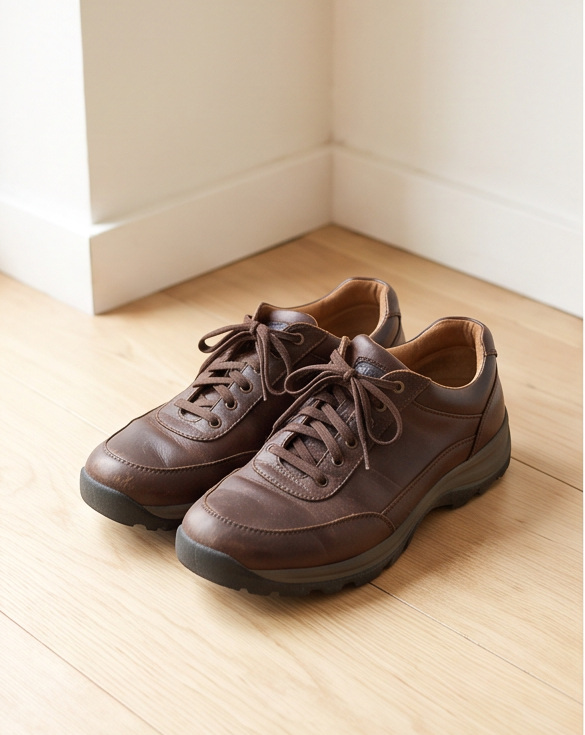
Busco unos zapatos. Quiero ___ marrones.
Type the missing Spanish word or phrase.
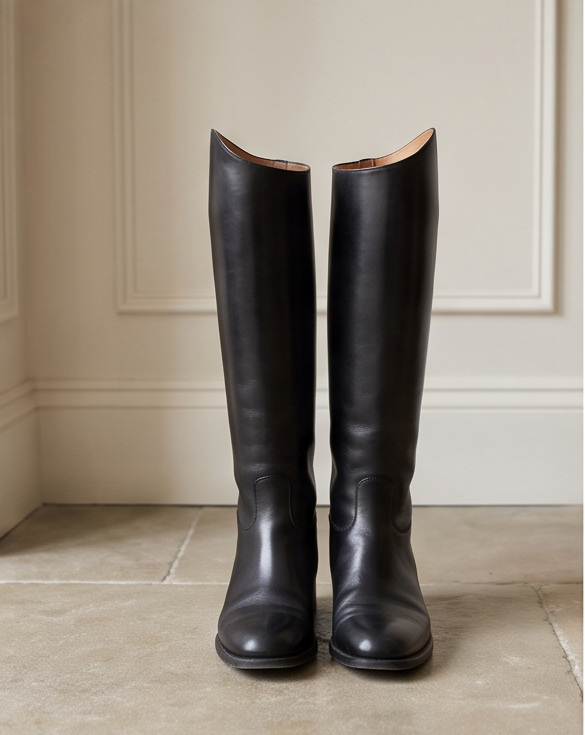
Busco unas botas. Quiero ___ negras.
Type the missing Spanish word or phrase.
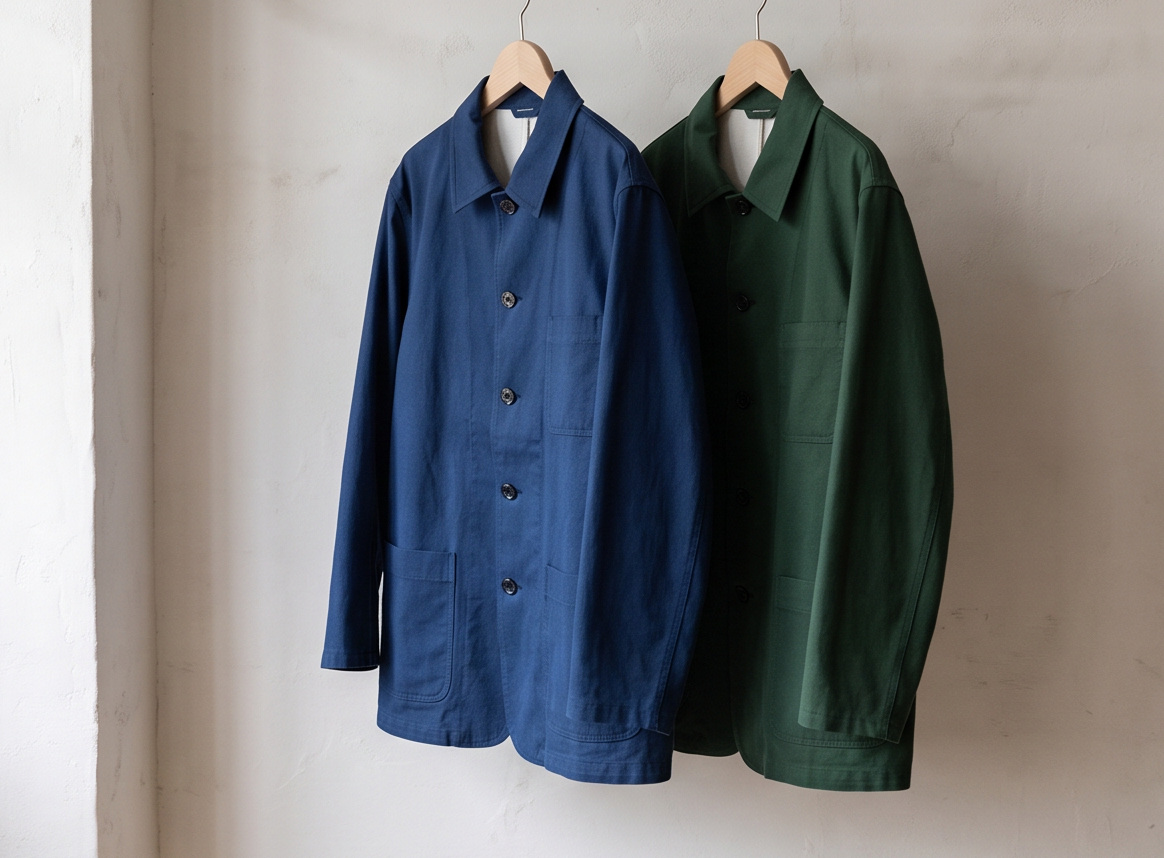
¿Qué chaqueta quieres, la verde o la azul? — ___ azul.
Type the missing Spanish word or phrase.
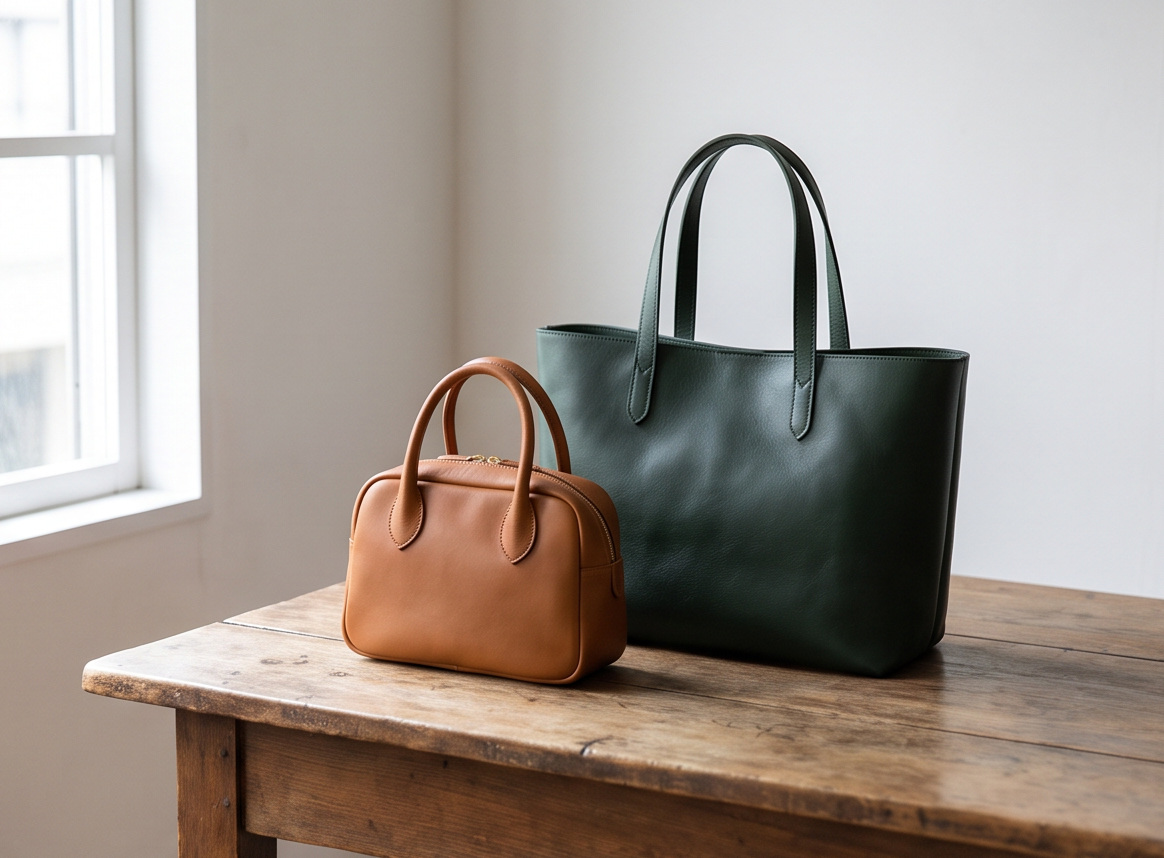
¿Qué tipo de bolso buscas? — ___ pequeño.
Type the missing Spanish word or phrase.
Exercise 2
Completa la frase: género y número
Match the article and adjective to the understood clothing noun.
0/8 correct
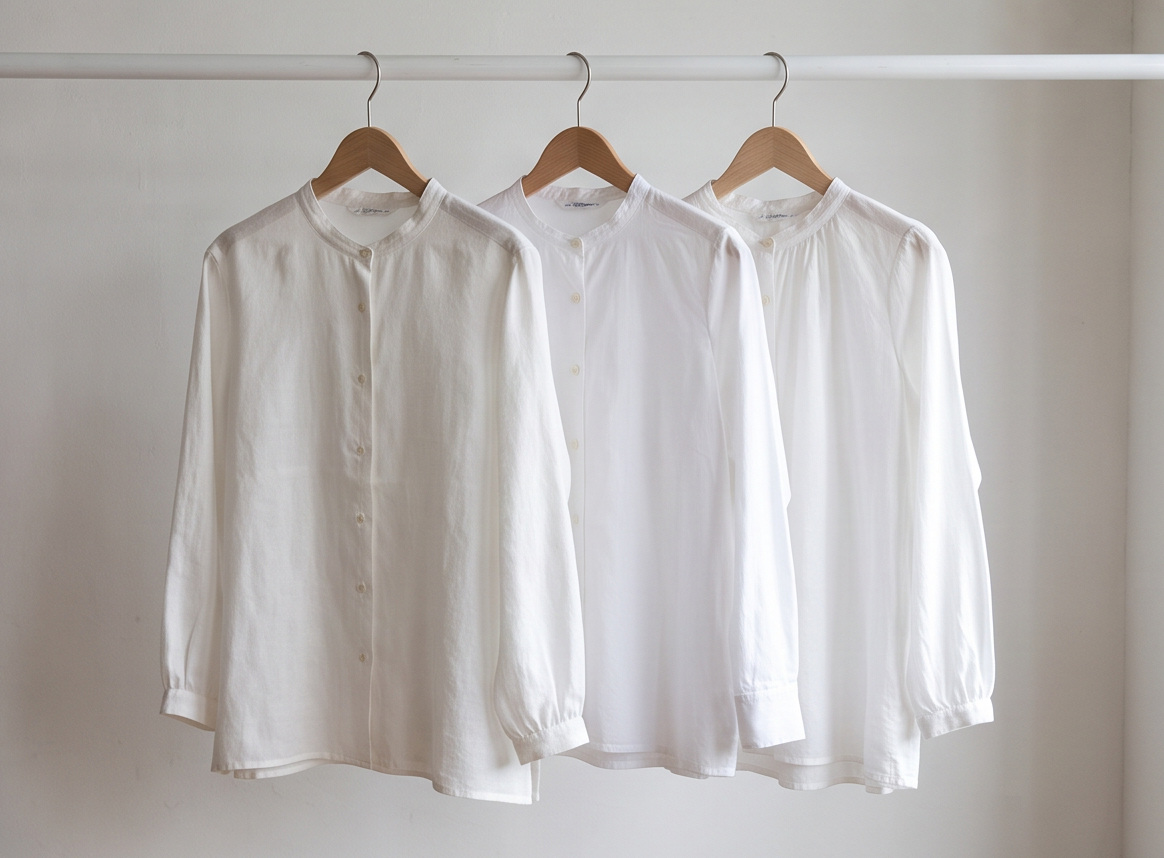
¿Qué blusas ves? — Las ___ (blanco).
Type the missing Spanish word or phrase.
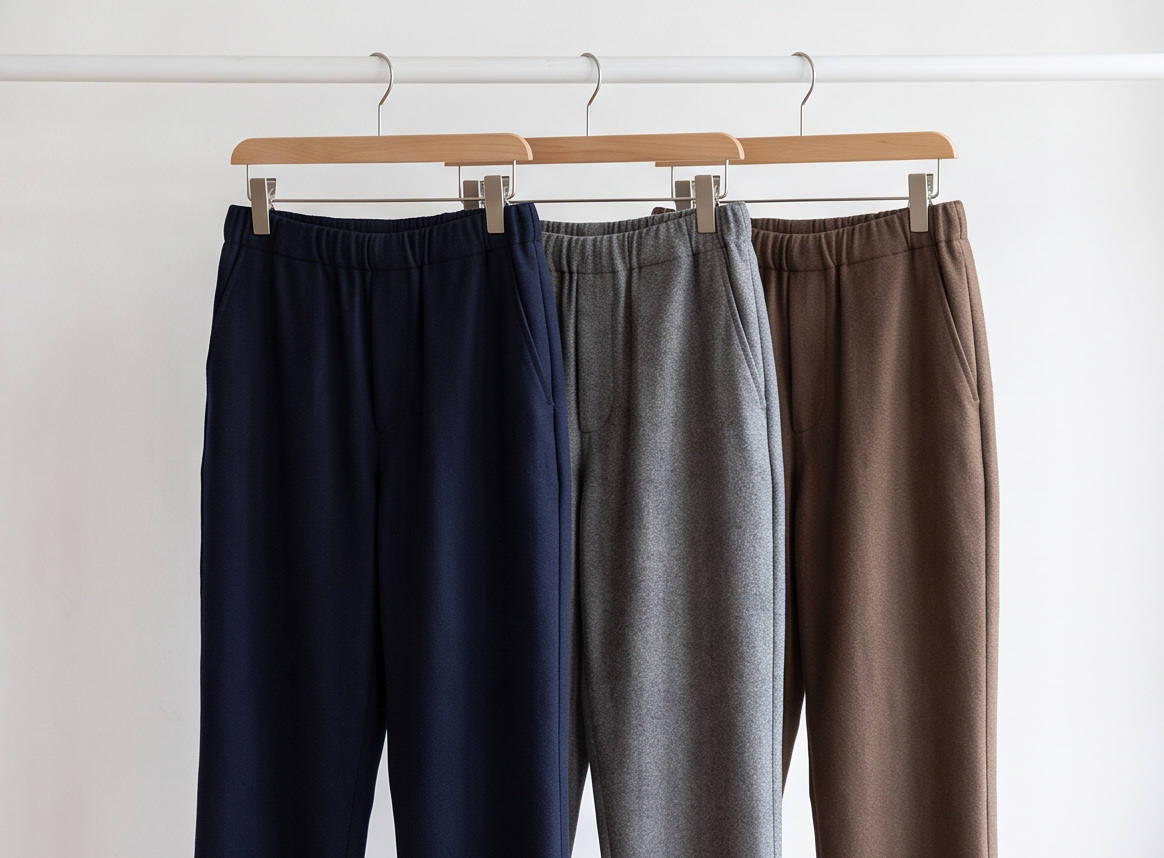
¿Qué pantalones prefieres? — Los ___ (marrón).
Type the missing Spanish word or phrase.
La ___ (rojo).
Type the missing Spanish word or phrase.
Las ___ (negro).
Type the missing Spanish word or phrase.
Los ___ (largo).
Type the missing Spanish word or phrase.
La ___ (verde).
Type the missing Spanish word or phrase.
Los ___ (azul).
Type the missing Spanish word or phrase.
Las ___ (marrón).
Type the missing Spanish word or phrase.
Exercise 3
Completa la frase: artículo + de
Use el, la, los, or las before de to identify the item.
0/6 correct
¿Cuál es la chaqueta de Ana? — ___ de la percha.
Type the missing Spanish word or phrase.
¿Qué bolso eliges? — ___ de cuero.
Type the missing Spanish word or phrase.
¿Qué zapatos son tuyos? — ___ de la ventana.
Type the missing Spanish word or phrase.
¿Qué blusas te gustan? — ___ de lunares.
Type the missing Spanish word or phrase.
¿Cuál es el vestido de la vendedora? — ___ del escaparate.
Type the missing Spanish word or phrase.
¿Cuáles son las botas de tu hermana? — ___ de la caja.
Type the missing Spanish word or phrase.
Exercise 4
Completa la frase: lo + adjetivo
Use lo + masculine singular adjective to talk about a general quality or idea.
0/3 correct
___ bonito de esta tienda es la luz.
Type the missing Spanish word or phrase.
___ importante es elegir algo cómodo.
Type the missing Spanish word or phrase.
Para mí, ___ mejor es el color.
Type the missing Spanish word or phrase.
Exercise 5
Completa la frase: querer en presente
Conjugate querer. The stem changes e → ie except in nosotros and vosotros.
0/8 correct
Yo ___ el abrigo azul. (querer)
Type the missing Spanish word or phrase.
Tú ___ una camiseta blanca. (querer)
Type the missing Spanish word or phrase.
Marta ___ unos zapatos cómodos. (querer)
Type the missing Spanish word or phrase.
Nosotros ___ mirar otra tienda. (querer)
Type the missing Spanish word or phrase.
Vosotros ___ probar estas chaquetas. (querer)
Type the missing Spanish word or phrase.
Ellos ___ los pantalones negros. (querer)
Type the missing Spanish word or phrase.
¿Qué ___ usted? (querer)
Type the missing Spanish word or phrase.
¿Qué ___ ustedes? (querer)
Type the missing Spanish word or phrase.
Exercise 6
Completa la frase: en contexto
Use the whole sentence to choose the right form.
0/4 correct
¿Qué falda te llevas? — ___ verde.
Type the missing Spanish word or phrase.
No quiero un bolso grande; quiero ___ pequeño.
Type the missing Spanish word or phrase.
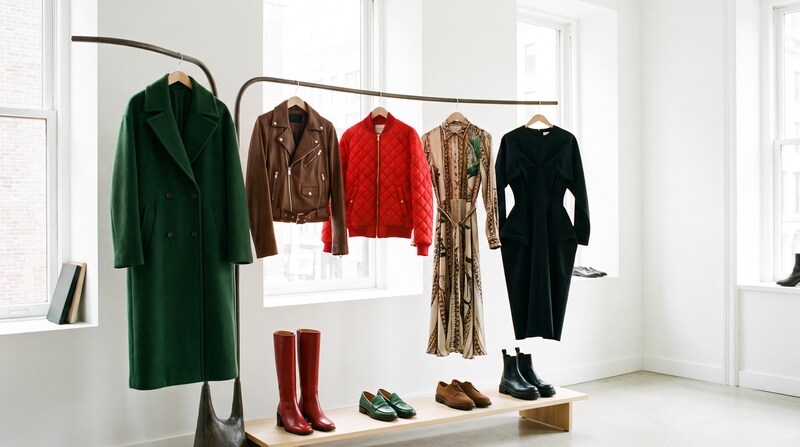
¿Qué botas prefieres?
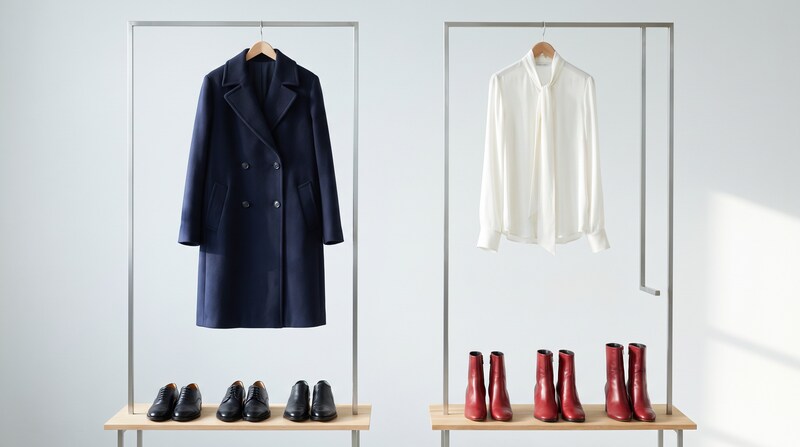
Nosotros ___ el abrigo azul.
Lesson result
Finish every card to complete the lesson.
The goal is not one lucky answer. The goal is fast recognition: article, gender pattern, noun phrase, then sound.
0
correct answers
Remember
When the noun is clear, it can be left out. The article and adjective keep agreeing with it: la roja, los negros. For an indefinite masculine form, use uno on its own. And say quiero, quieres, quiere, queremos, queréis, quieren.
Back to the A1 course