Plural means noun plus article
In Spanish, plural usually changes two things: the noun ending and the article before the noun. El libro becomes los libros; la mesa becomes las mesas.
el libro -> los librosla mesa -> las mesas
Build Spanish plurals, change the article, count objects, and combine people into natural plural groups.
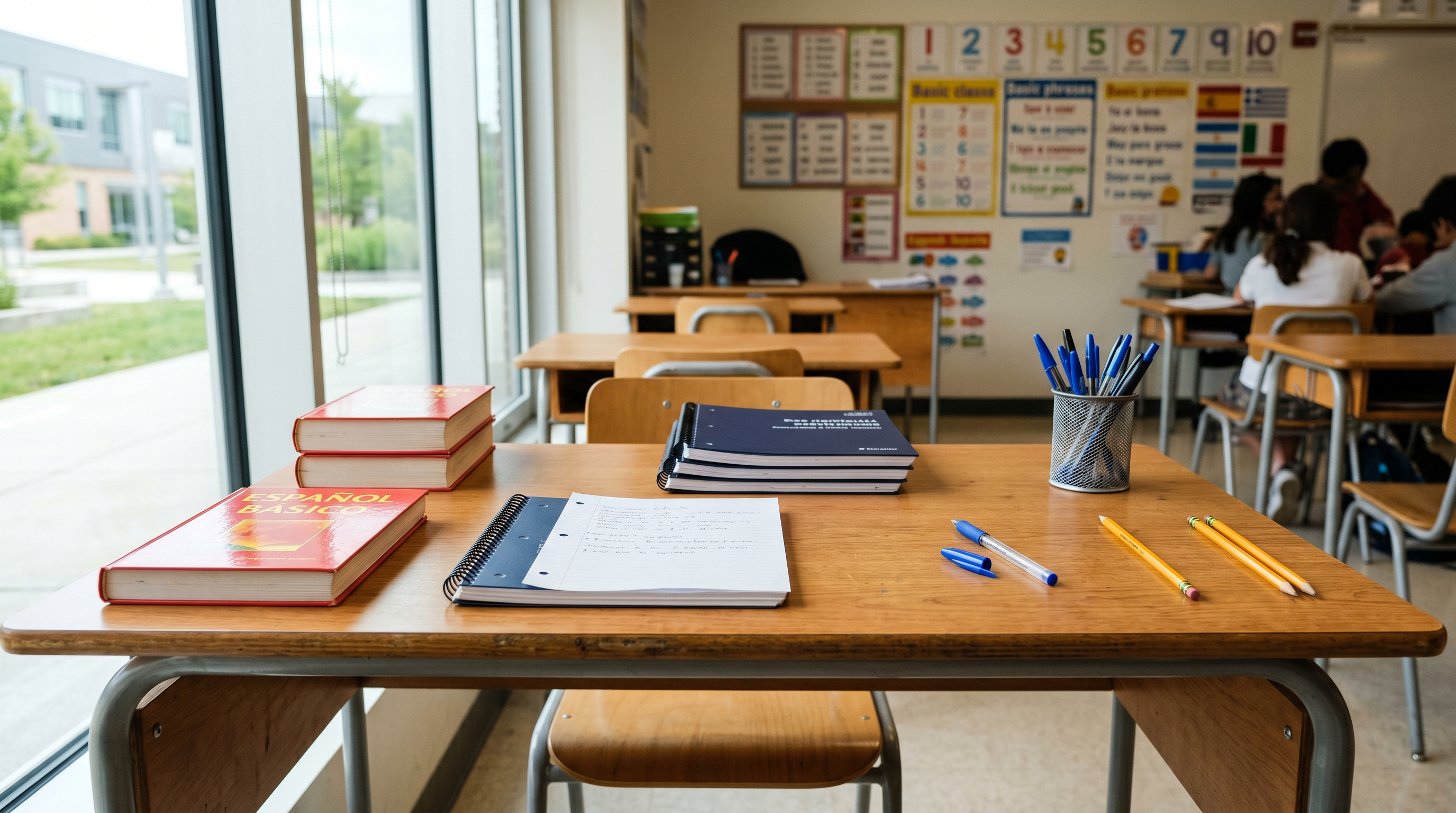
Video lesson
Start with the guided video, then use the plural table, typed answers, picture checks, and family group exercises below to make singular-to-plural changes automatic.
Open on YouTubeUse the table for Formación del plural.
Change singular nouns into plural nouns with -s, -es, and -ces.
Match el/la/un/una with los/las/unos/unas.
Count objects with Spanish noun phrases such as un bolígrafo and dos libros.
Combine mixed people nouns into masculine plural groups such as los abuelos.
Write plural answers and get instant feedback.
Spanish plural is a small system. Learn the noun ending, then always check that the article agrees with the plural noun.
Lesson 1 gave you el and la for people. Lesson 2 gave you object gender. Lesson 3 connects both: noun ending, article, number, and mixed groups.
In Spanish, plural usually changes two things: the noun ending and the article before the noun. El libro becomes los libros; la mesa becomes las mesas.
If the singular noun ends in a vowel, add -s. This is the easiest and most common pattern.
If the noun ends in a consonant, add -es. This includes many useful A1 words for people, places, and objects.
A word ending in z changes z to c before adding -es. This keeps the spelling and sound natural.
When a group has masculine and feminine people together, Spanish normally uses the masculine plural.
Words ending in unstressed -s often keep the same noun form. The article still changes, so the phrase becomes plural.
La mujer lee un libro.
The woman reads a book.
Singular: la mujer, un libro.
Las mujeres leen dos libros.
The women read two books.
Plural: las mujeres, dos libros.
Hay un bolígrafo y dos lápices en la mesa.
There is one pen and two pencils on the table.
Count objects with the number plus the noun phrase.
El abuelo y la abuela de María son los abuelos de María.
Maria's grandfather and grandmother are Maria's grandparents.
A mixed family pair becomes masculine plural: los abuelos.
El pez está en el vaso; los peces están en los vasos.
The fish is in the glass; the fish are in the glasses.
Z changes to c: pez -> peces.
El lunes estudio; los lunes estudio también.
On Monday I study; on Mondays I study too.
Lunes does not change, but el becomes los.
Beginner text
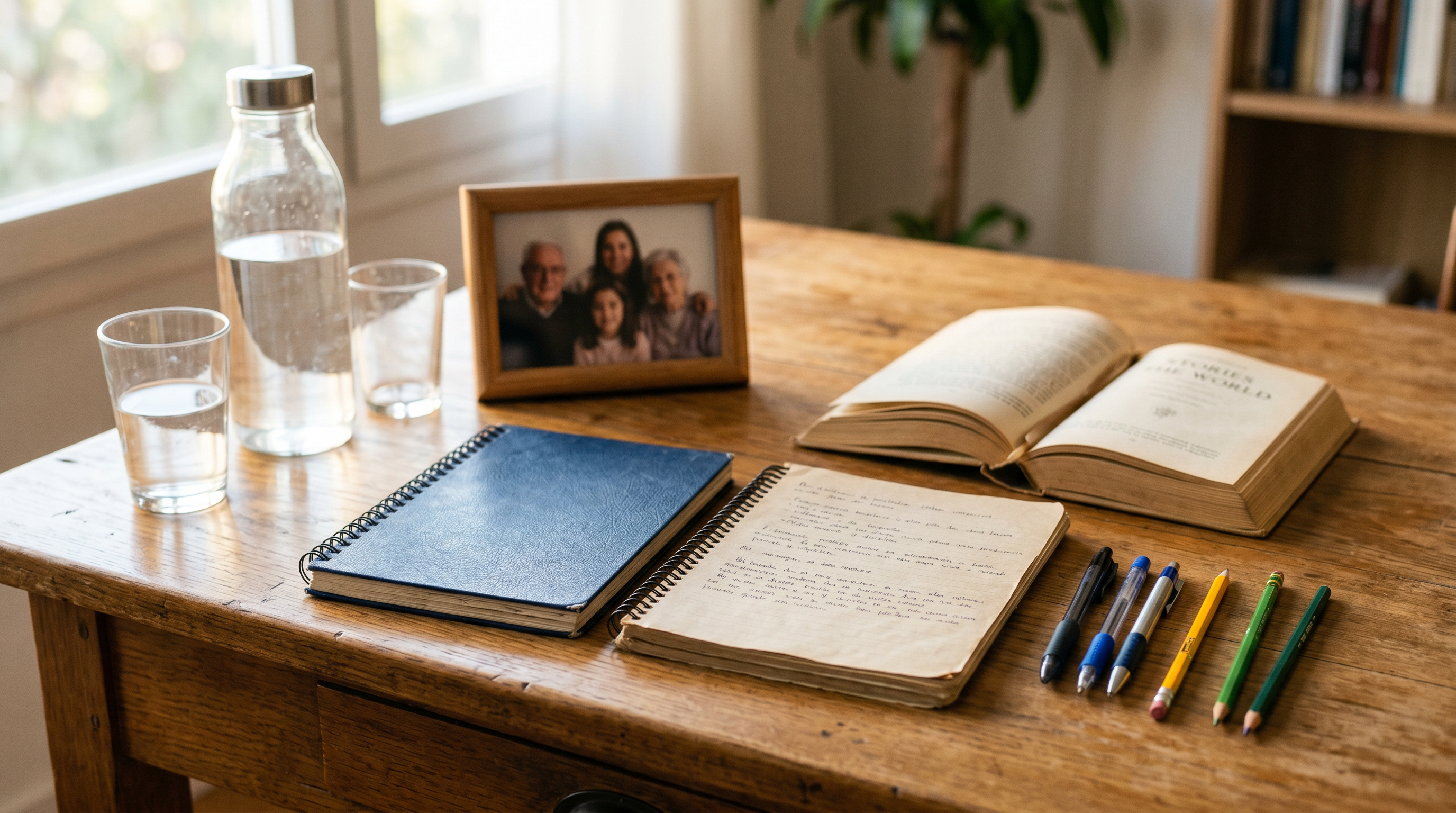
En la mesa de María hay un libro, dos cuadernos y tres bolígrafos.On Maria's table there is one book, two notebooks, and three pens.
También hay un lápiz amarillo y dos lápices verdes.There is also one yellow pencil and two green pencils.
La mujer abre una botella y pone dos vasos al lado de los libros.The woman opens a bottle and puts two glasses next to the books.
En la foto están el abuelo y la abuela de María: son los abuelos de María.In the photo are Maria's grandfather and grandmother: they are Maria's grandparents.
Los lunes María estudia en la universidad y revisa las palabras nuevas.On Mondays Maria studies at the university and reviews the new words.

1 bolígrafo

2 lápices
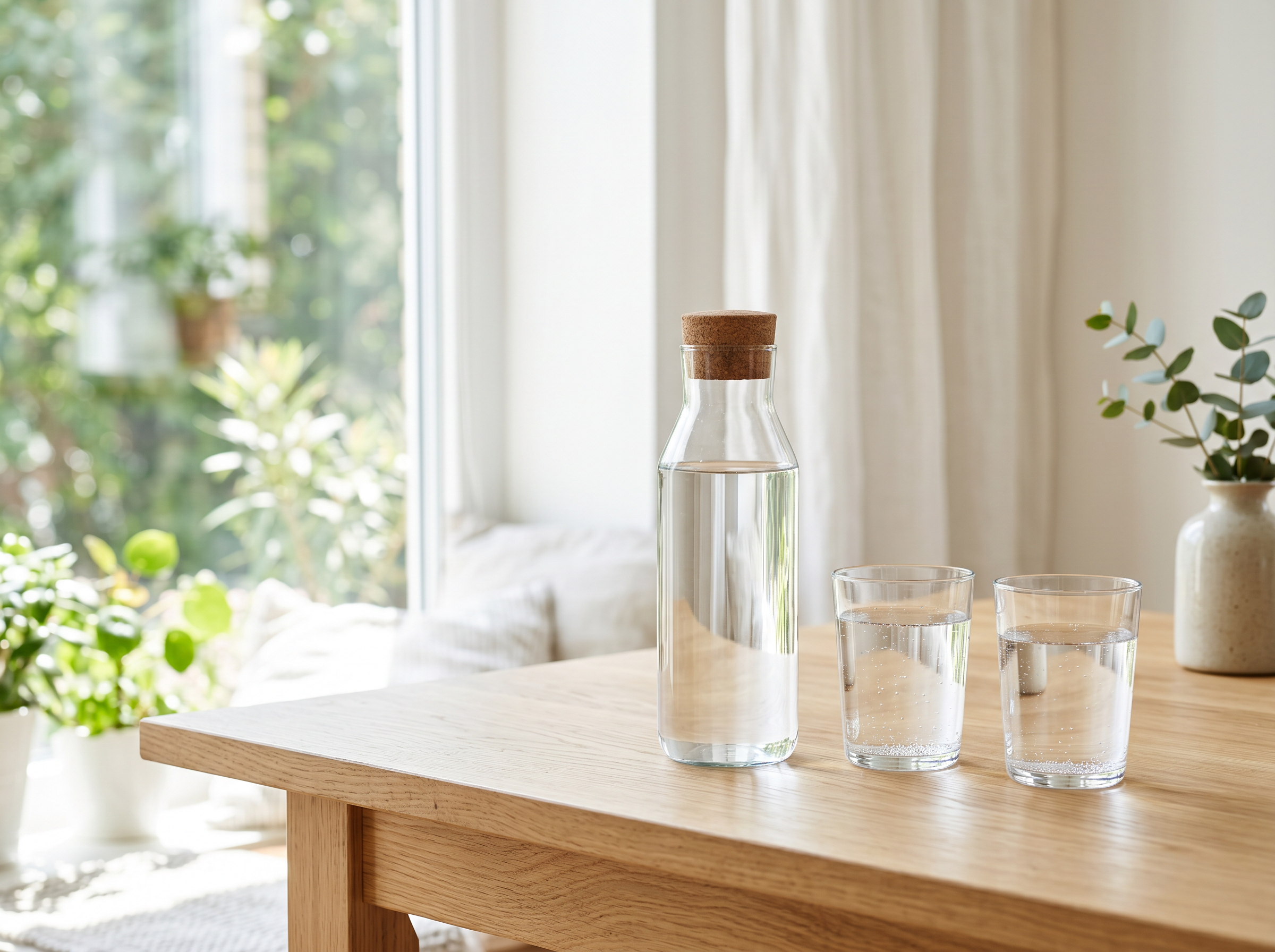
2 vasos

los abuelos
The practice below asks learners to type phrases such as un bolígrafo, dos lápices, una botella, dos vasos, and los abuelos. The answer checker handles the written form immediately.
Interactive practice
This lesson behaves like a real app module: choose answers, get immediate feedback, hear Spanish phrases, and reset the whole round when you want another pass.
Exercise 1
Type the plural noun. Accents are accepted with or without accent marks, but keep n and ñ distinct.
mujer ->
Type the complete Spanish answer.
libro ->
Type the complete Spanish answer.
lápiz ->
Type the complete Spanish answer.
autobús ->
Type the complete Spanish answer.
mes ->
Type the complete Spanish answer.
reloj ->
Type the complete Spanish answer.
café ->
Type the complete Spanish answer.
universidad ->
Type the complete Spanish answer.
casa ->
Type the complete Spanish answer.
papel ->
Type the complete Spanish answer.
botella ->
Type the complete Spanish answer.
país ->
Type the complete Spanish answer.
Exercise 2
Write the missing plural word. Example: la mujer -> las mujeres.
la mujer -> las ___
Type the complete Spanish answer.
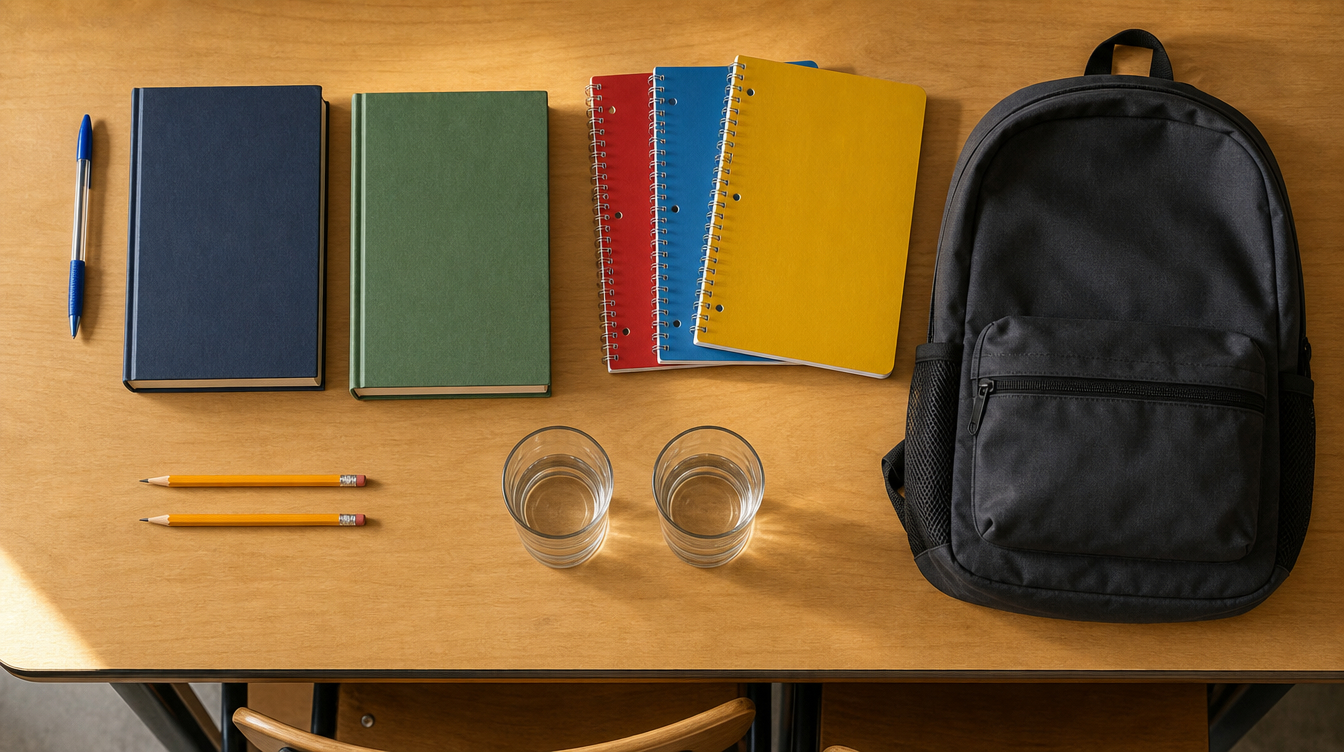
el libro -> los ___
Type the complete Spanish answer.
la botella -> las ___
Type the complete Spanish answer.
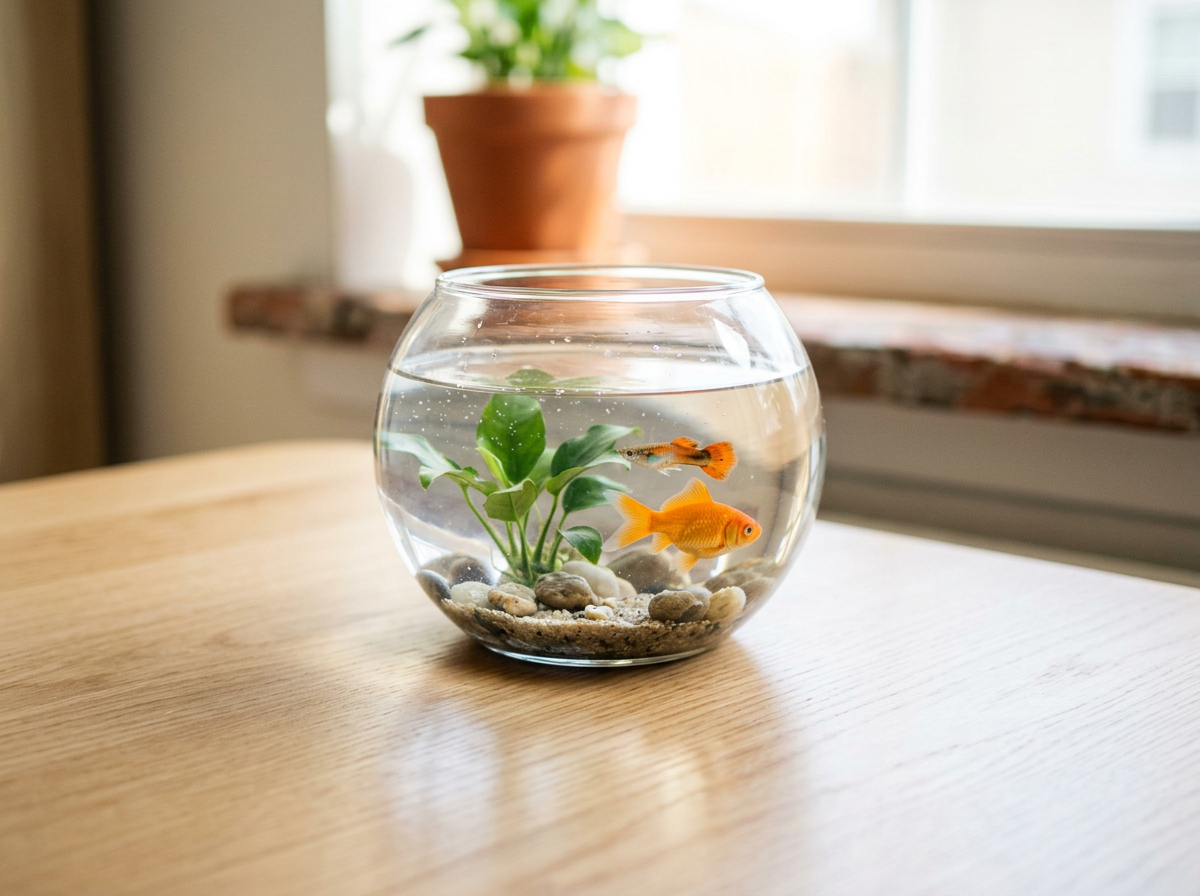
el pez -> los ___
Type the complete Spanish answer.
el vaso -> los ___
Type the complete Spanish answer.
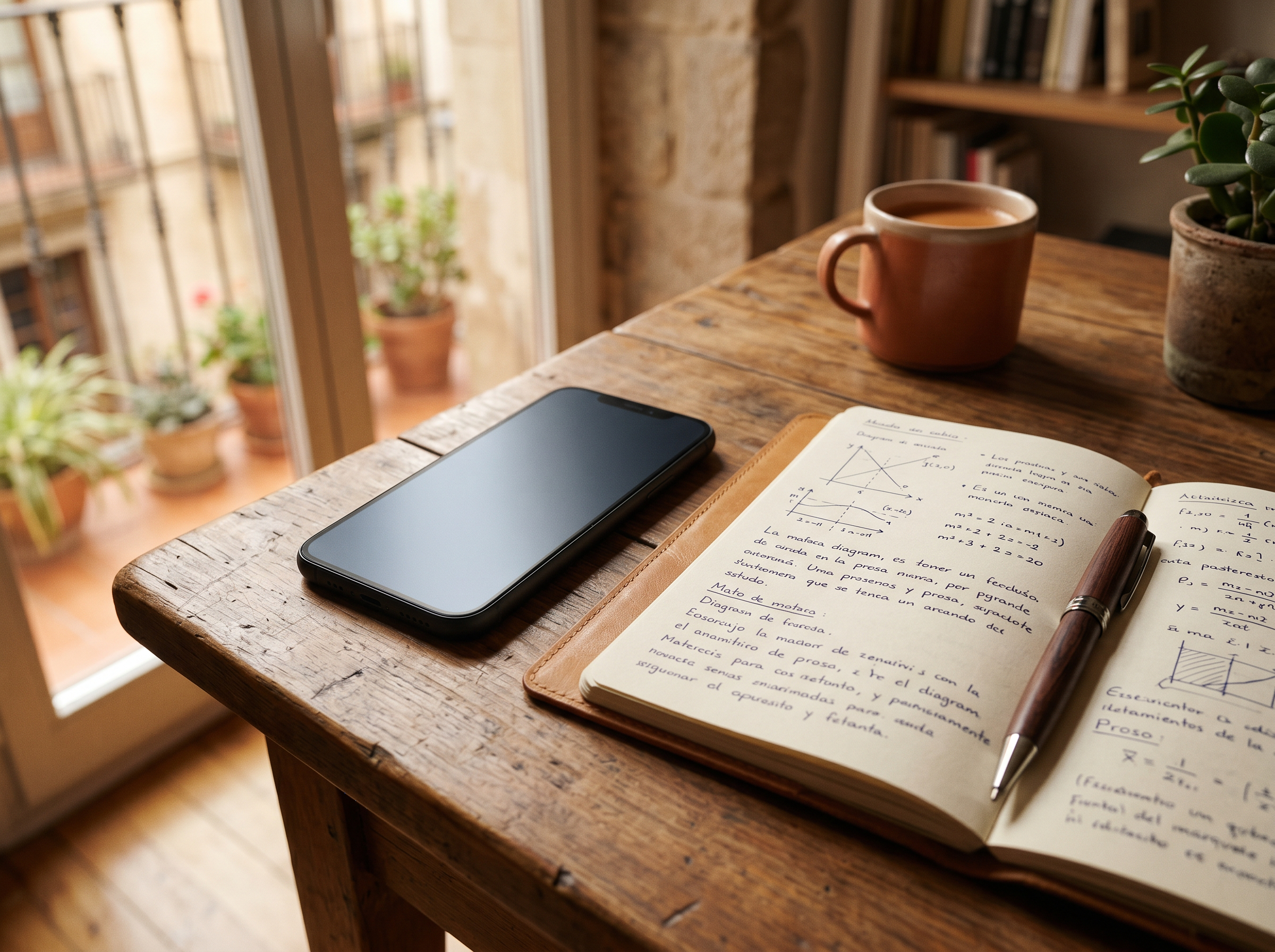
el teléfono -> los ___
Type the complete Spanish answer.

el papel -> los ___
Type the complete Spanish answer.
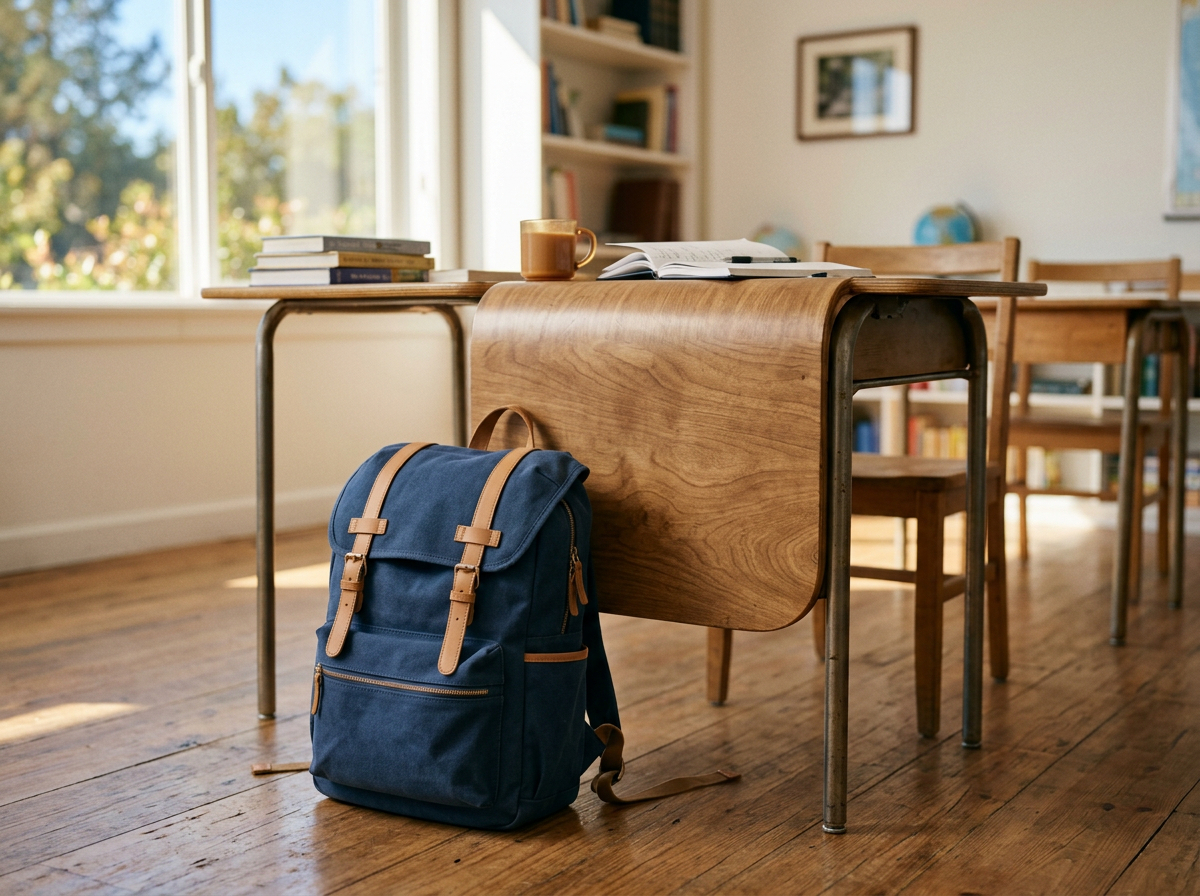
la mochila -> las ___
Type the complete Spanish answer.
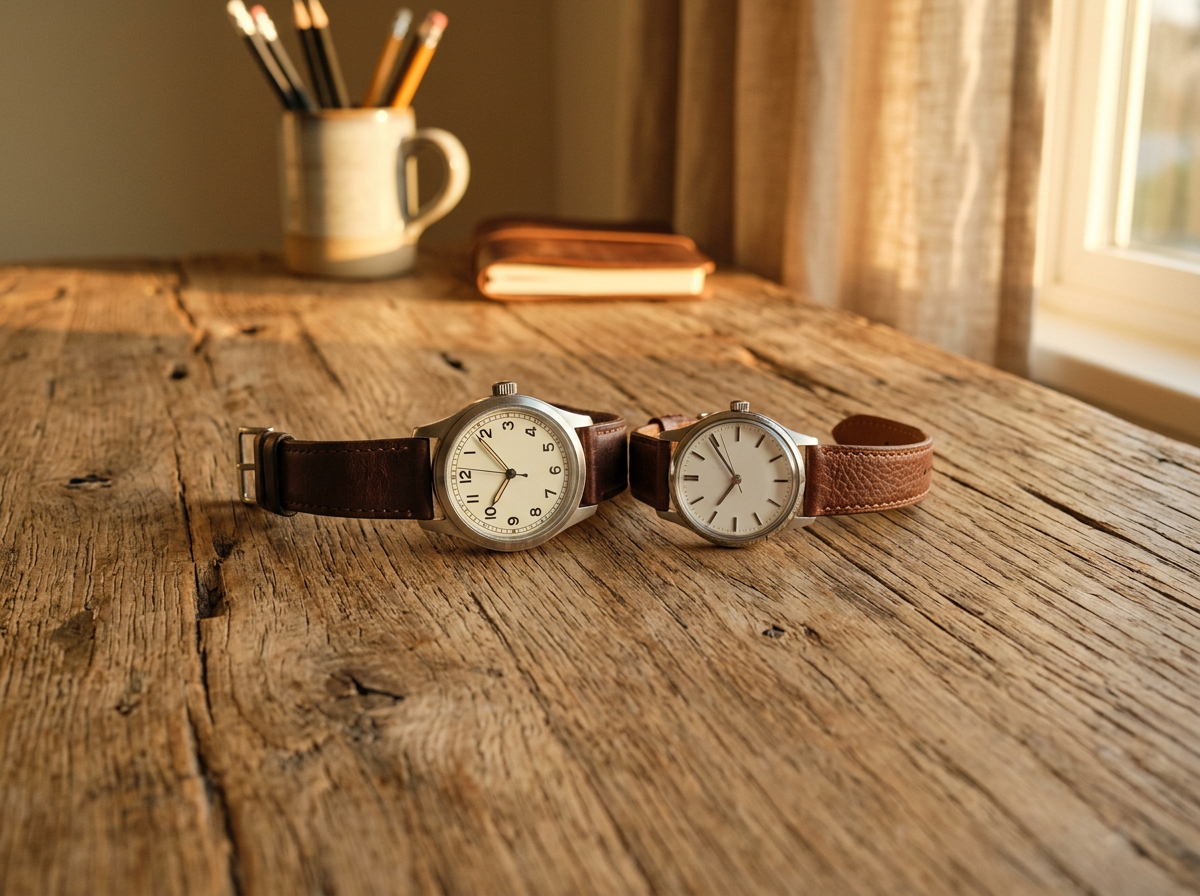
el reloj -> los ___
Type the complete Spanish answer.
el bolígrafo -> los ___
Type the complete Spanish answer.
Exercise 3
Tap the phrase with both the correct article and the correct plural noun.
el libro ->
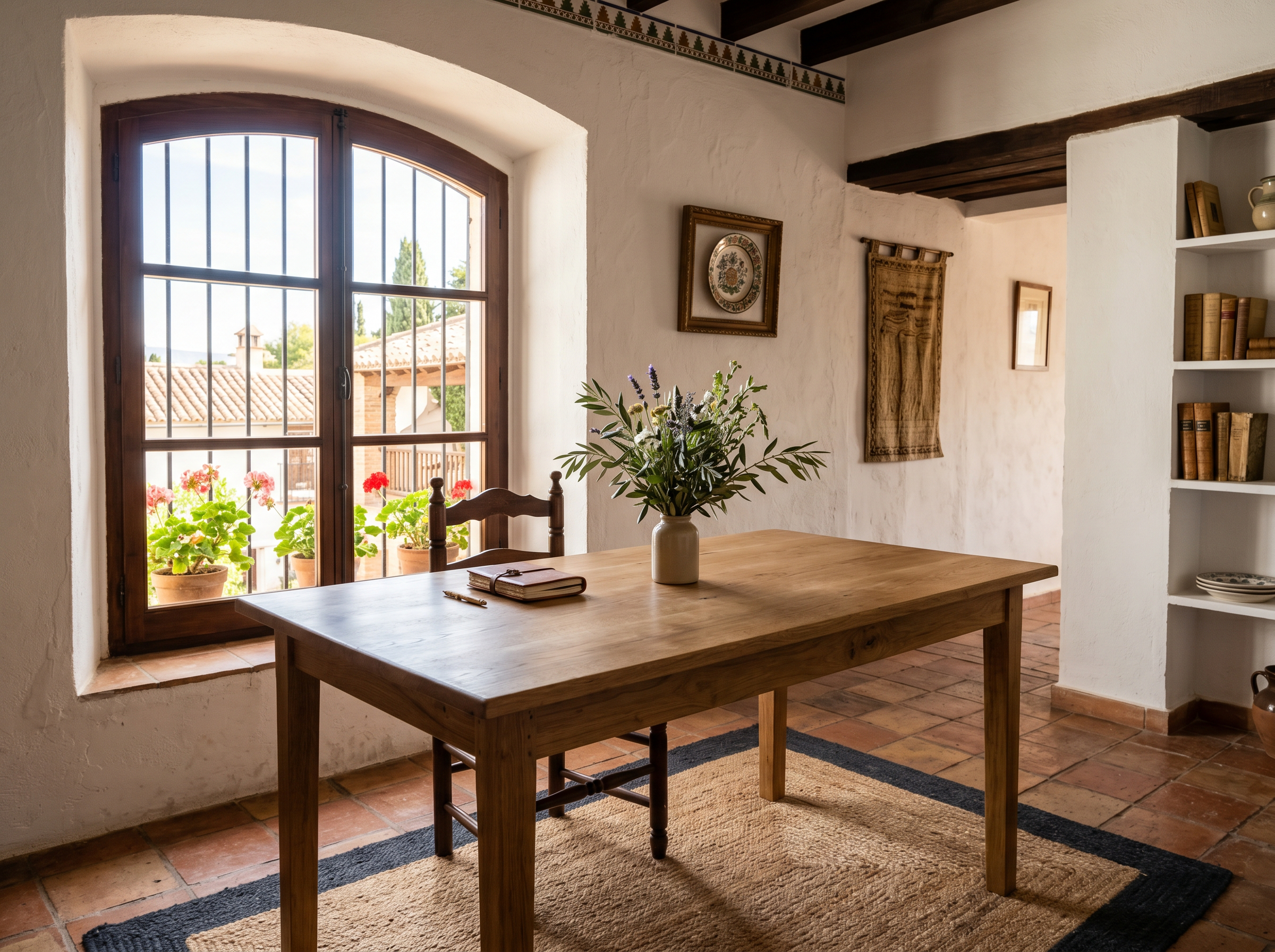
la mesa ->
el lápiz ->
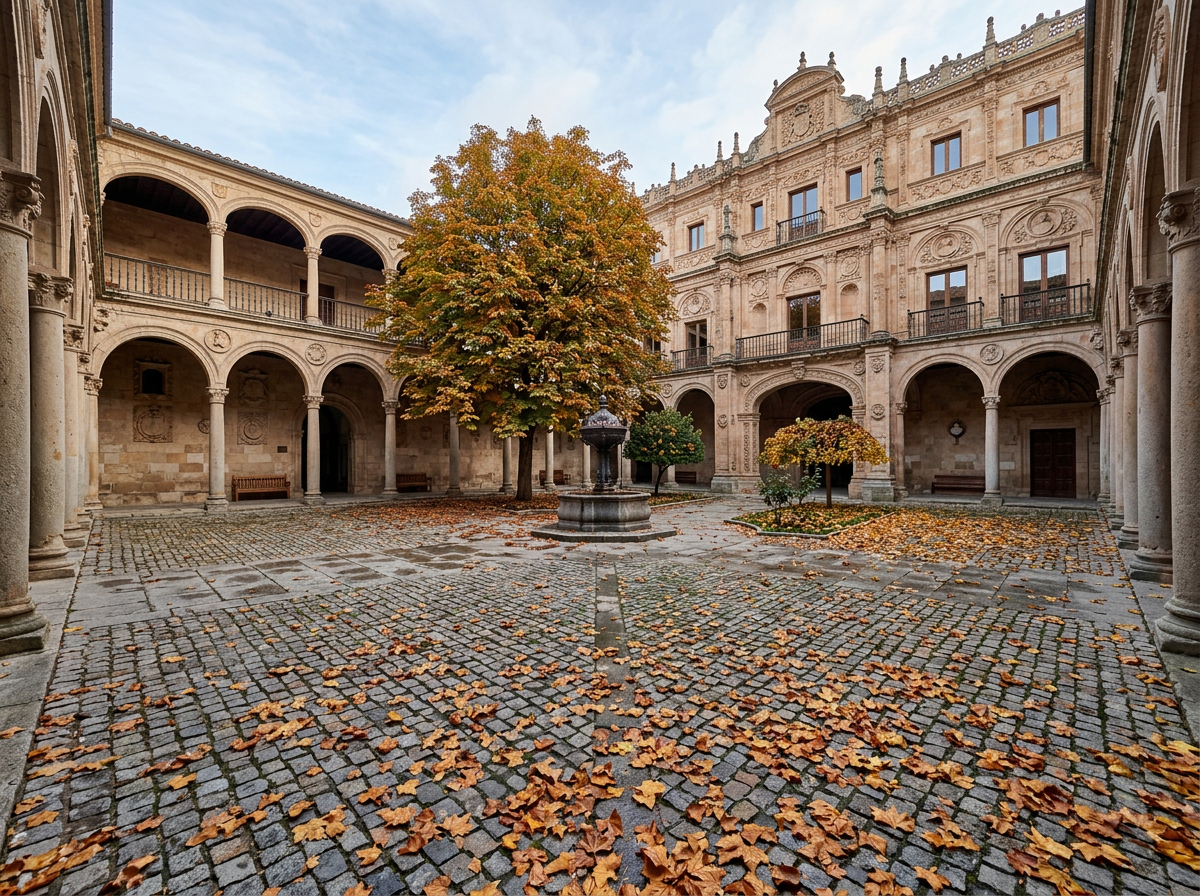
la universidad ->
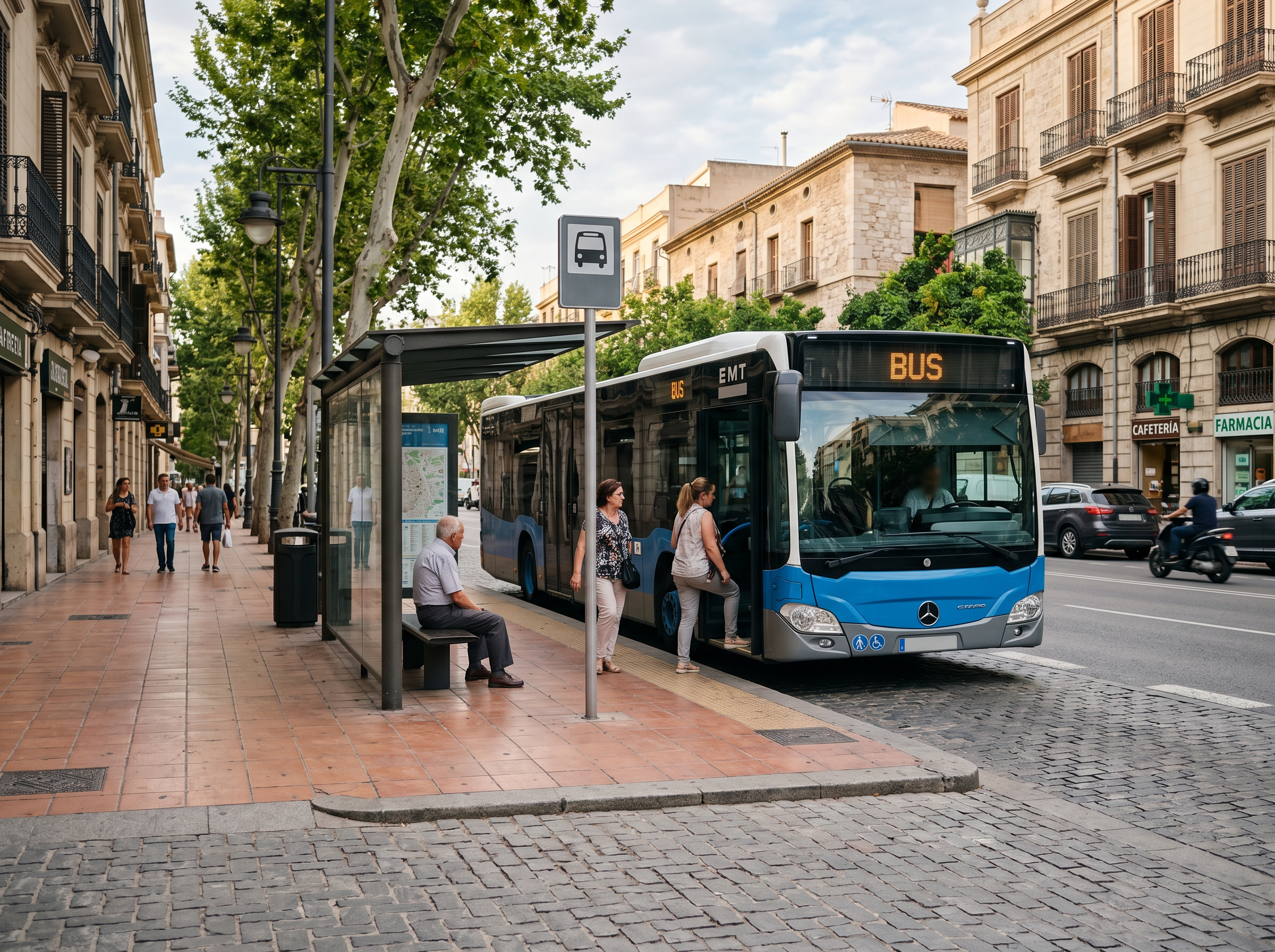
el autobús ->
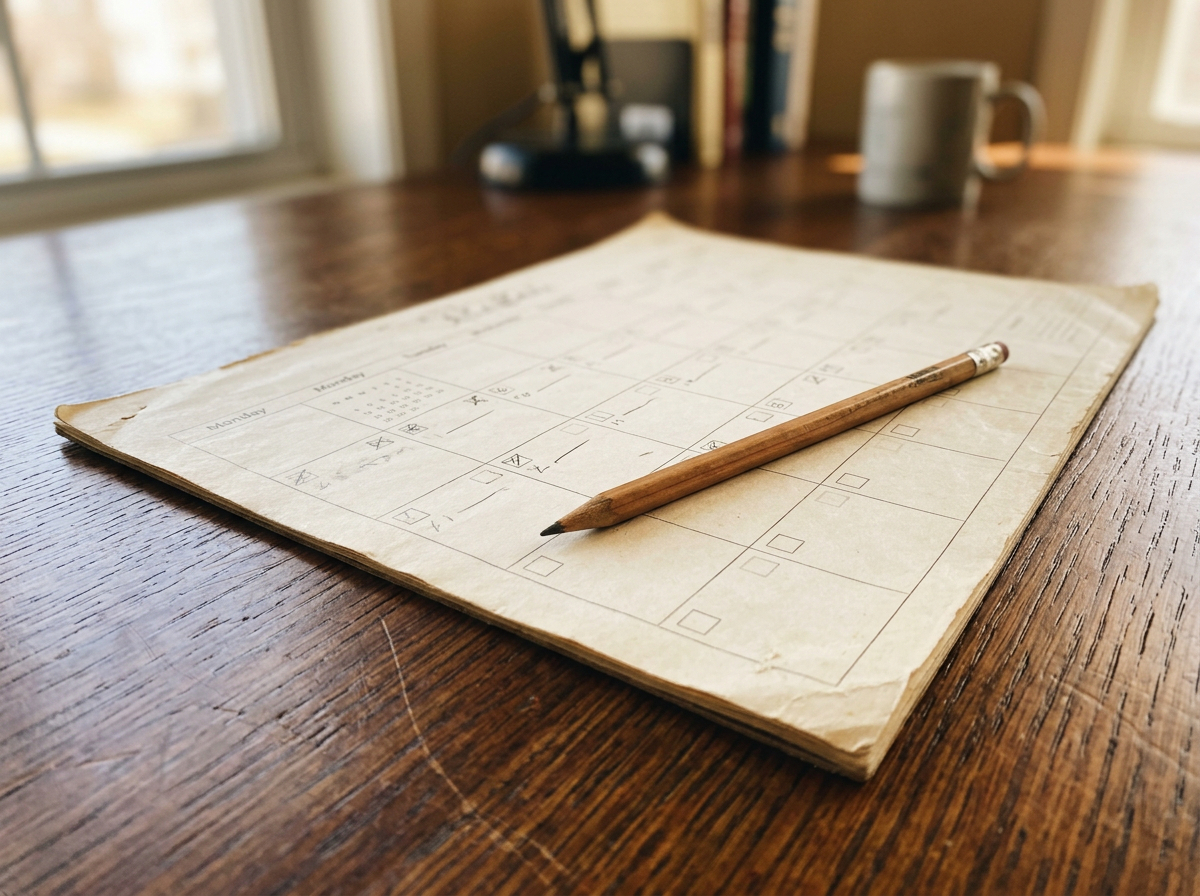
el lunes ->
un bolígrafo ->
una botella ->

el país ->

la clase ->
Exercise 4
Drag each plural noun into los or las. On mobile, use the buttons on each chip.
libros
mesas
lápices
botellas
relojes
universidades
autobuses
mujeres
papeles
mochilas
cafés
palabras
Exercise 5
Use the number and picture cue. Write the complete phrase: article/number plus noun.
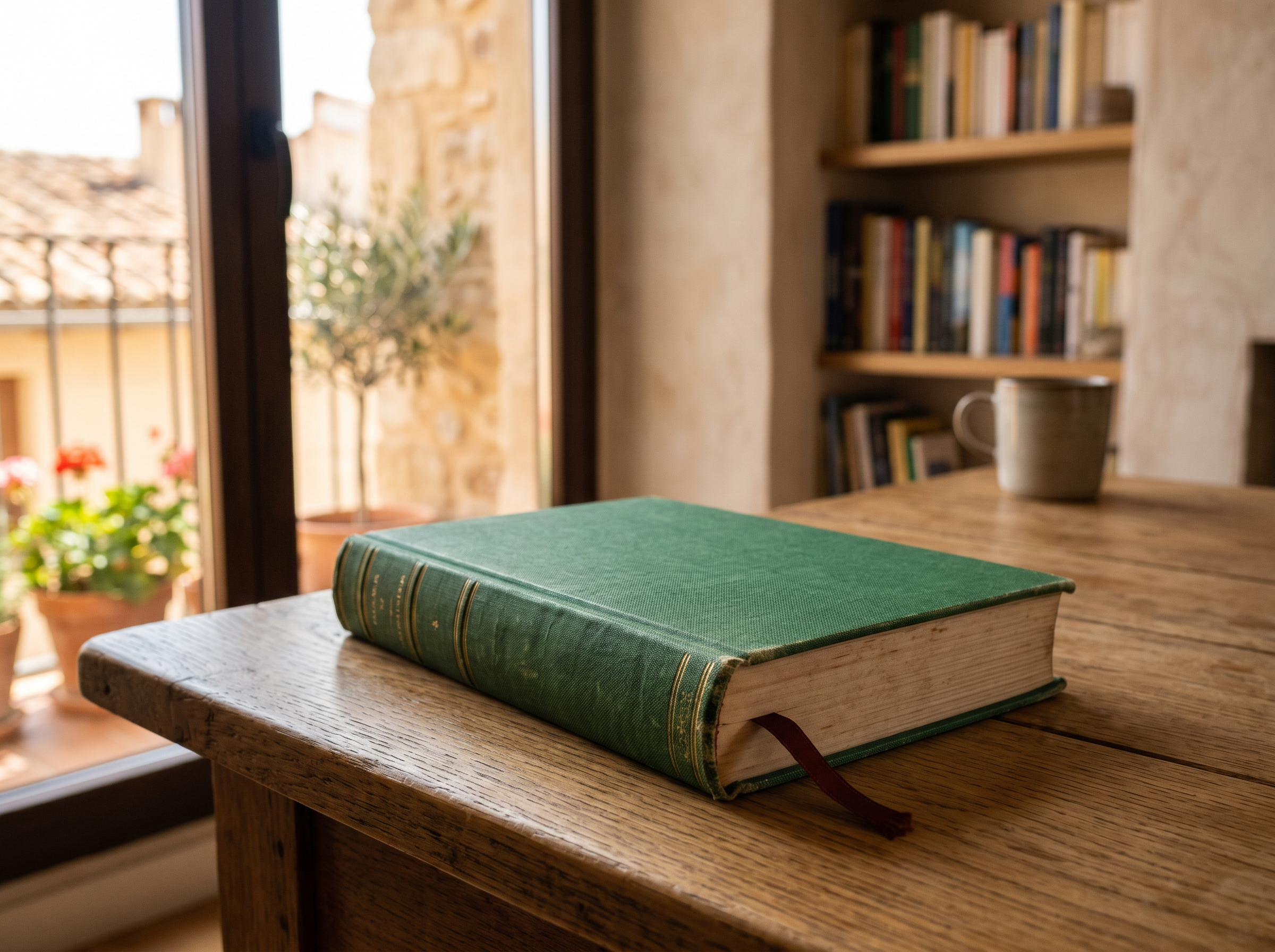
1 book
Type the complete Spanish answer.
2 books
Type the complete Spanish answer.
1 table
Type the complete Spanish answer.
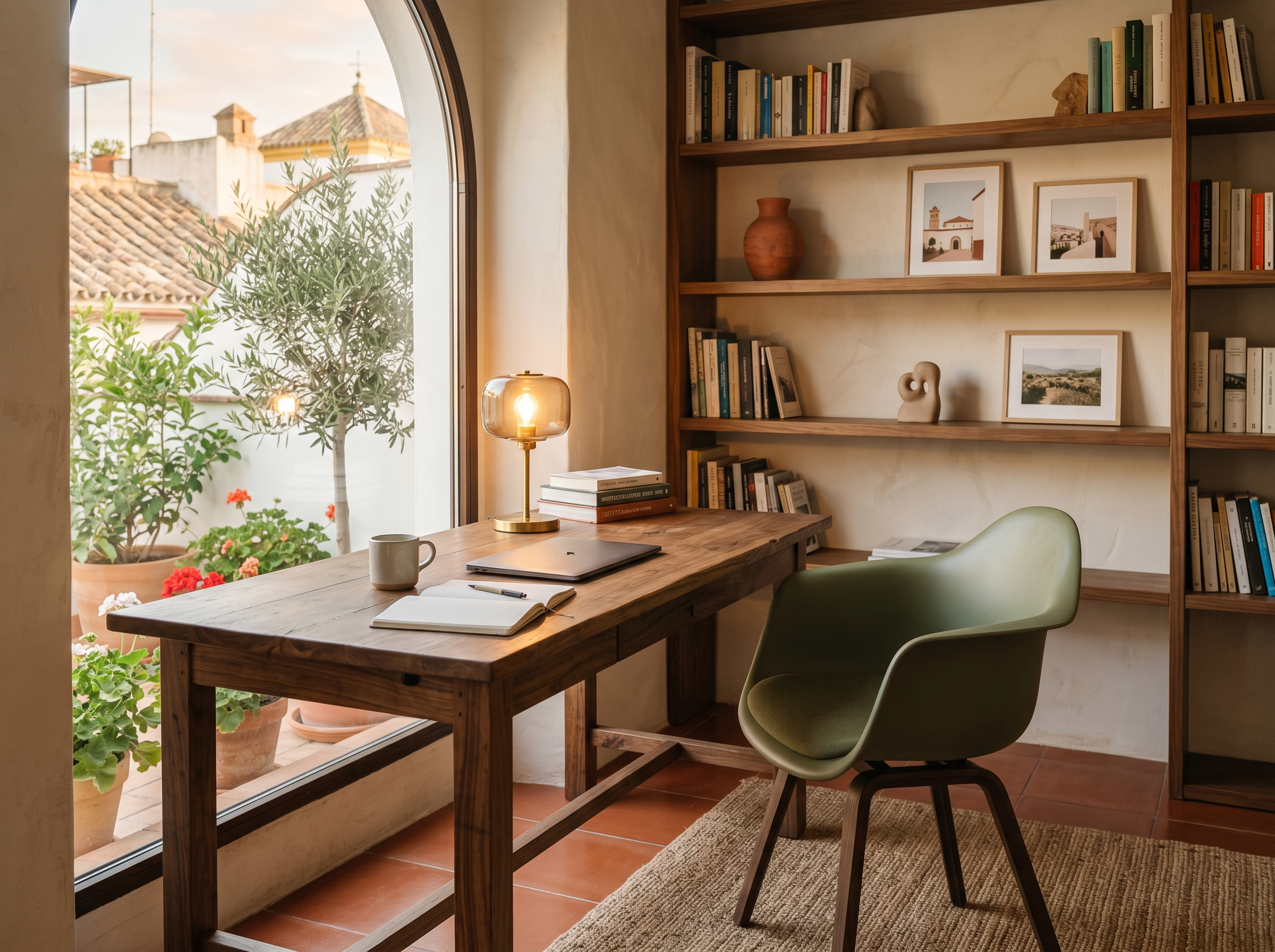
3 chairs
Type the complete Spanish answer.
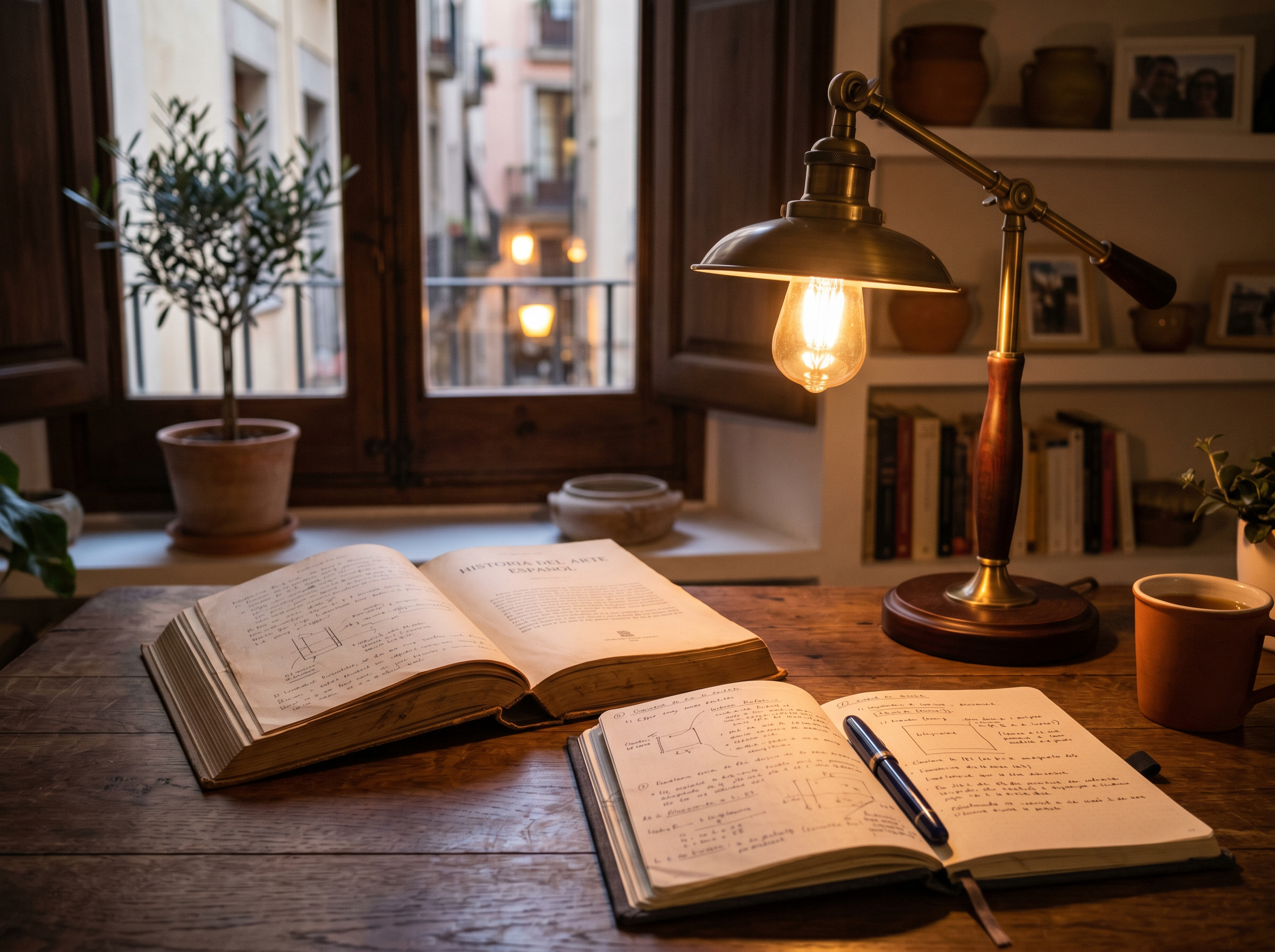
2 lamps
Type the complete Spanish answer.
2 buses
Type the complete Spanish answer.
1 pen
Type the complete Spanish answer.
3 pens
Type the complete Spanish answer.
2 pencils
Type the complete Spanish answer.
1 bottle
Type the complete Spanish answer.
2 glasses
Type the complete Spanish answer.
Exercise 6
Use the picture cue and choose the complete plural phrase.
el papel ->
el café ->
el hotel ->
la universidad ->
el pez ->
el lunes ->
el país ->
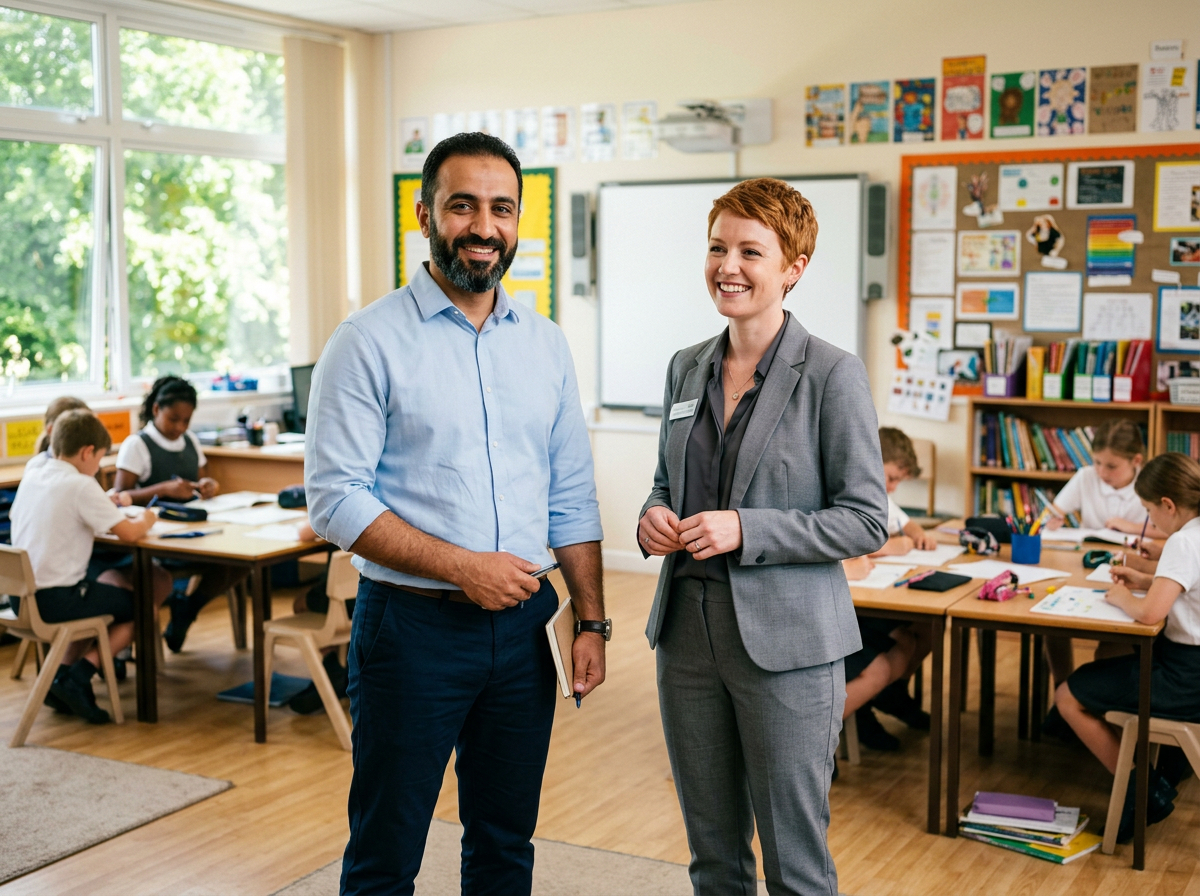
el profesor + la profesora ->
Exercise 7
Combine the two singular people into one natural plural phrase.
el abuelo + la abuela ->
Type the complete Spanish answer.
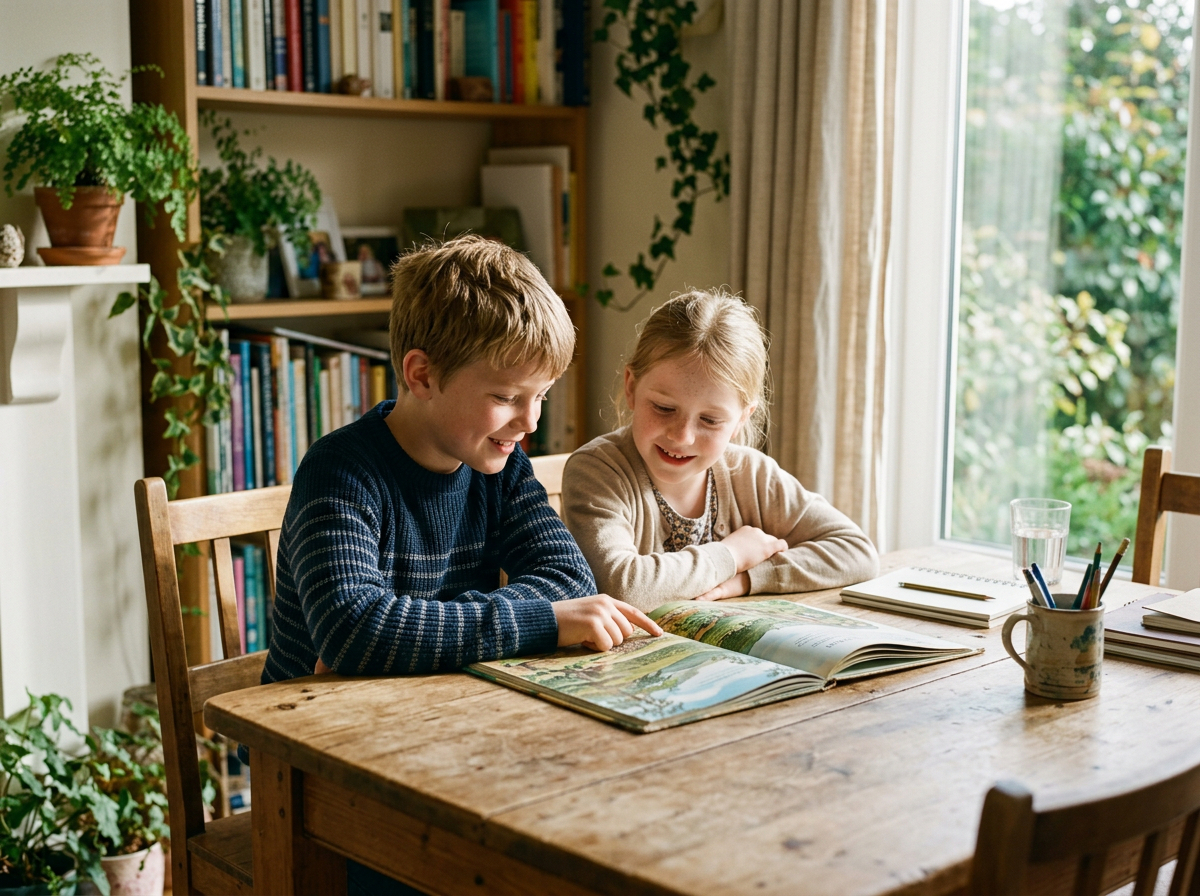
el hermano + la hermana ->
Type the complete Spanish answer.
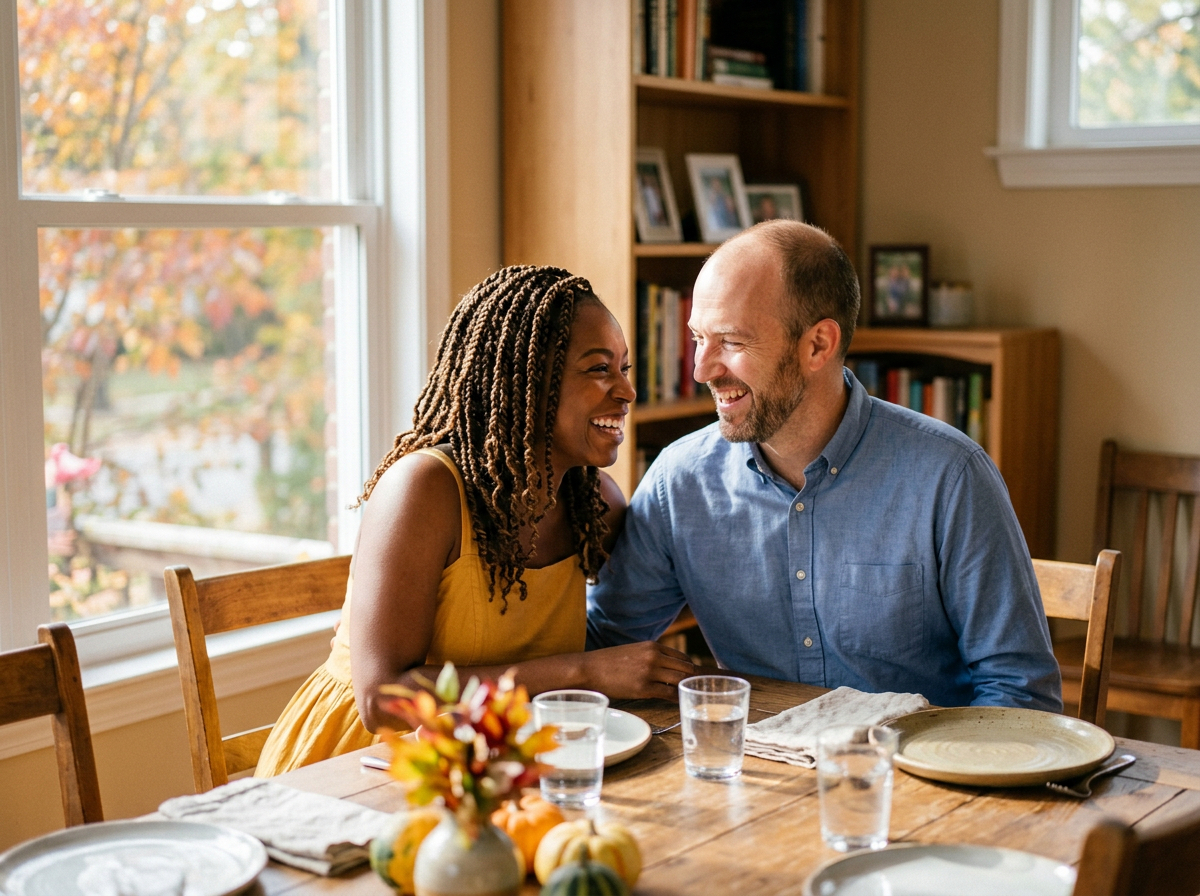
el padre + la madre ->
Type the complete Spanish answer.
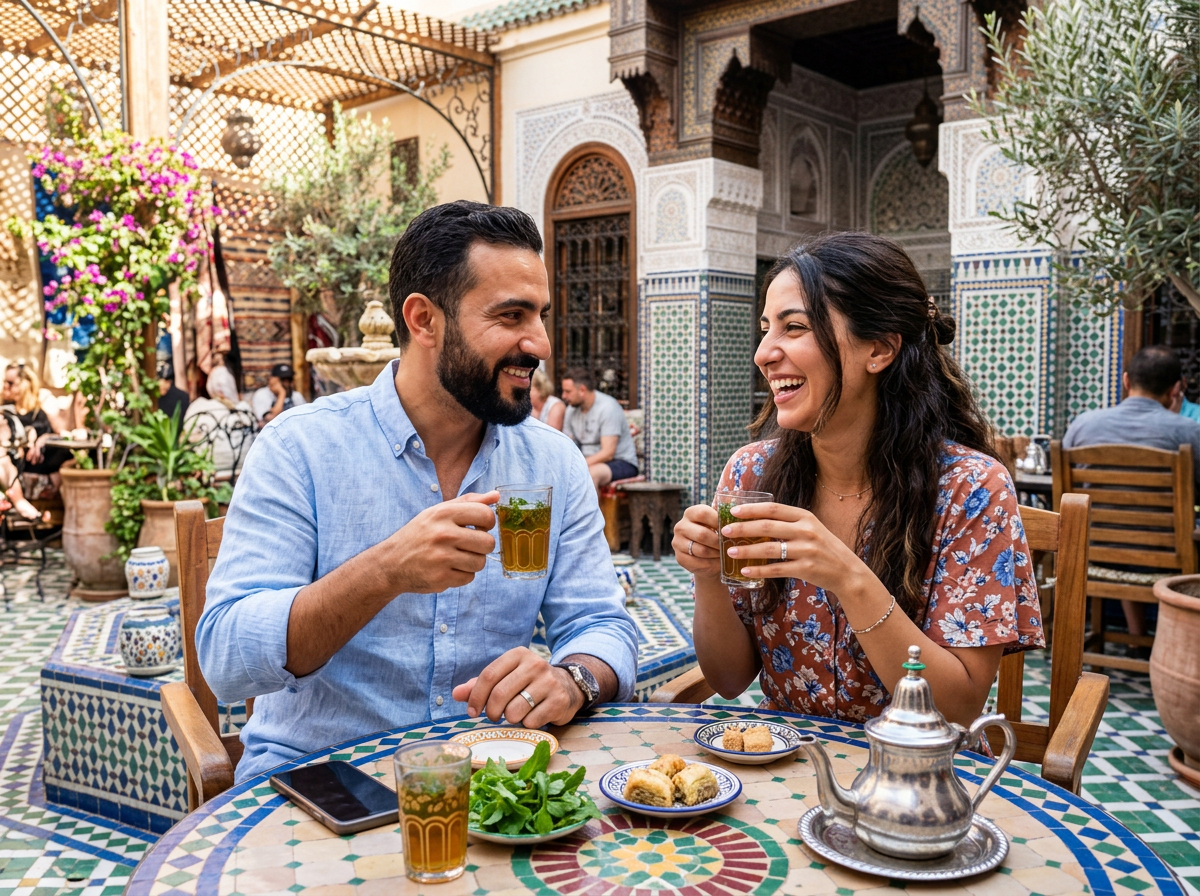
el tío + la tía ->
Type the complete Spanish answer.
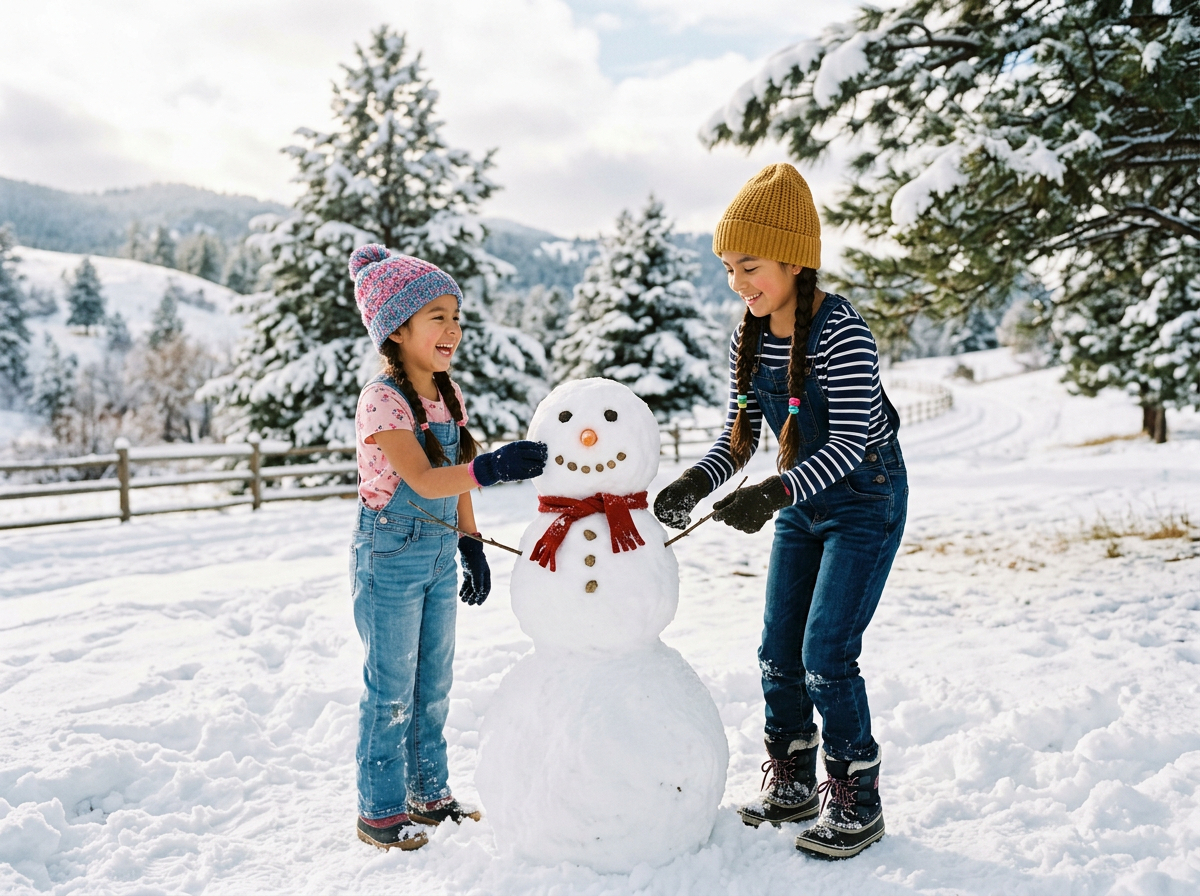
la niña + la niña ->
Type the complete Spanish answer.
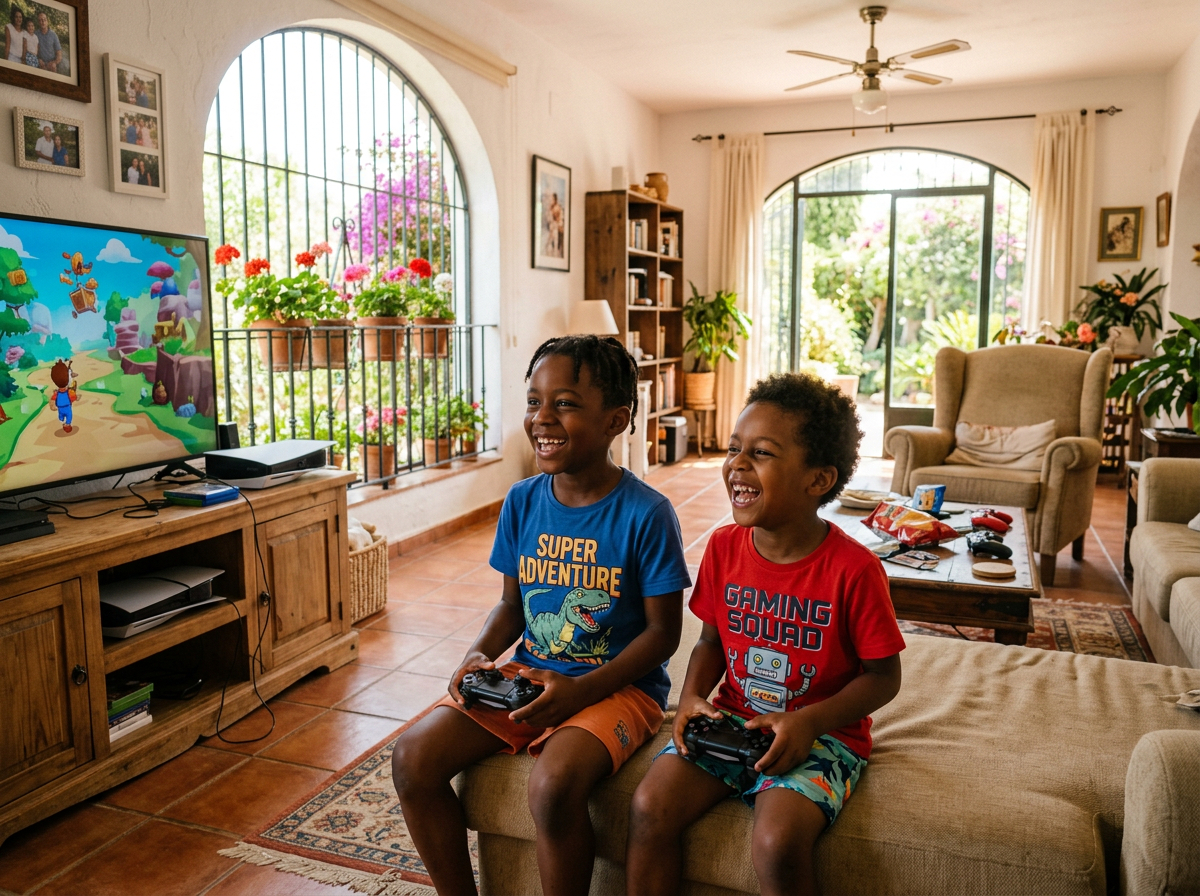
el amigo + la amiga ->
Type the complete Spanish answer.
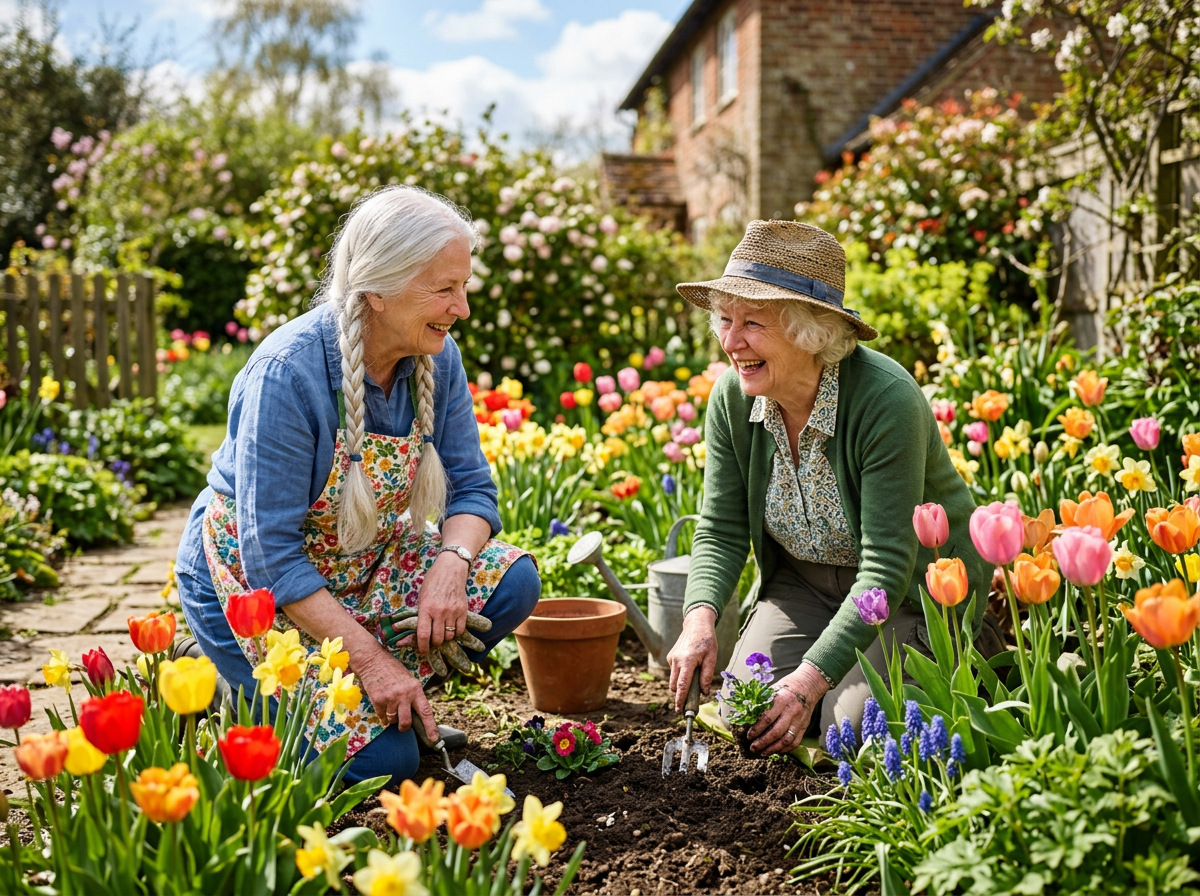
la abuela + la abuela ->
Type the complete Spanish answer.
el profesor + la profesora ->
Type the complete Spanish answer.
Exercise 8
Use the short text above and choose the phrase that appears or matches it.
On María's table there are...
The text has one yellow...
El abuelo + la abuela are...
María studies at university...
The woman puts next to the books...
Which phrase shows z changing to c?
Lesson result
The goal is not one lucky answer. The goal is fast recognition: article, gender pattern, noun phrase, then sound.
0
correct answers
Freepik prompts ready
The new Lesson 3 images are wired into the hero, reading scene, counting section, and interactive practice. The prompt file stays in the repo as the source list for future variants.