Spanish nouns have gender
Many Spanish nouns are masculine or feminine. For people, the gender often matches the person you are talking about.
el hijo - the sonla hija - the daughter
Learn how Spanish marks people, family words, and common professions with el and la.
Video lesson
Start with the guided video, then use the interactive cards below to lock in family words, professions, and article recognition.
Open on YouTubeChoose el or la for common people and family nouns.
Change simple masculine nouns into feminine forms.
Recognize nouns that stay the same while the article changes.
Practice common people and profession nouns interactively.
Use gender patterns before moving into adjective agreement.
For this first lesson, do not try to memorize every exception. Learn the pattern, hear the words, and build fast recognition with small, repeated choices.
Many Spanish nouns are masculine or feminine. For people, the gender often matches the person you are talking about.
Use el with many masculine people nouns. The word often ends in -o, but not always.
Use la with many feminine people nouns. Some words change their ending; some are completely different words.
Words ending in -ista or -ante often keep the same form. The article tells you who the person is.
El hijo es estudiante.
The son is a student.
Masculine noun with el.
La hija es estudiante.
The daughter is a student.
The noun estudiante stays the same; the article changes.
El profesor habla con la doctora.
The teacher speaks with the doctor.
Profesor changes to profesora; doctor changes to doctora.
La madre y el padre viven en Madrid.
The mother and the father live in Madrid.
Some family words are different words, not just changed endings.
Interactive practice
This lesson behaves like a real app module: choose answers, get immediate feedback, hear Spanish phrases, and reset the whole round when you want another pass.
Exercise 1
Tap the correct article for each noun.
___ hijo
___ hija
___ padre
___ madre
___ estudiante (female student)
___ pianista (male pianist)
Exercise 2
Choose the best feminine form.
el profesor ->
el doctor ->
el niño ->
el estudiante ->
el pianista ->
Exercise 3
Choose the noun phrase that matches the person.

Who is she?

Who is he?
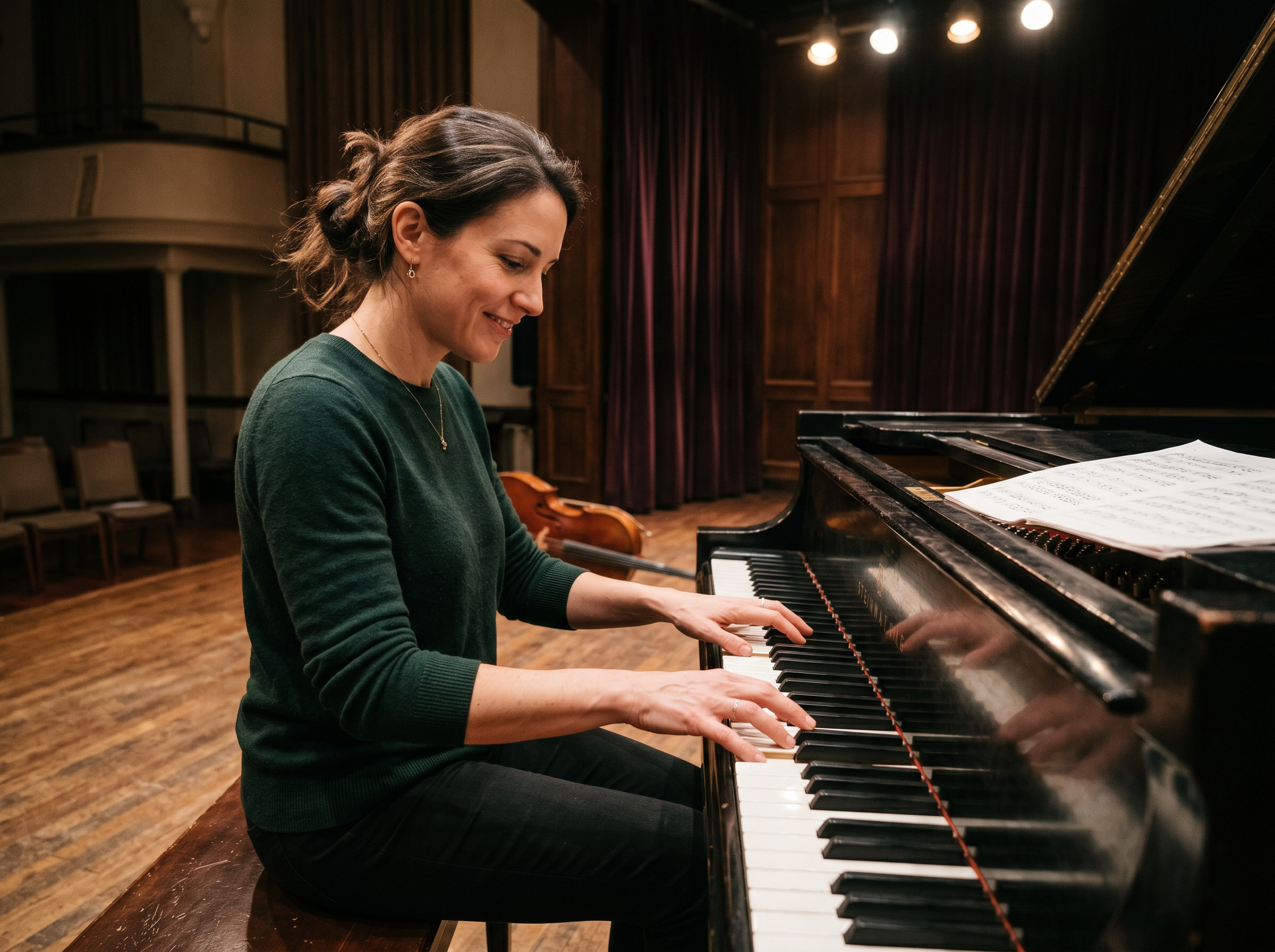
Who is she?

Who is he?
Exercise 4
Mix articles, family, and profession patterns.
___ abuela
___ amigo
___ actriz
___ paciente (female patient)
___ modelo (male model)
Lesson result
The goal is not one lucky answer. The goal is fast recognition: article, gender pattern, noun phrase, then sound.
0
correct answers
Next lesson
The next course step will connect gender to adjective endings: alto, alta, joven, inteligente, and the first sentence patterns learners need for real introductions.