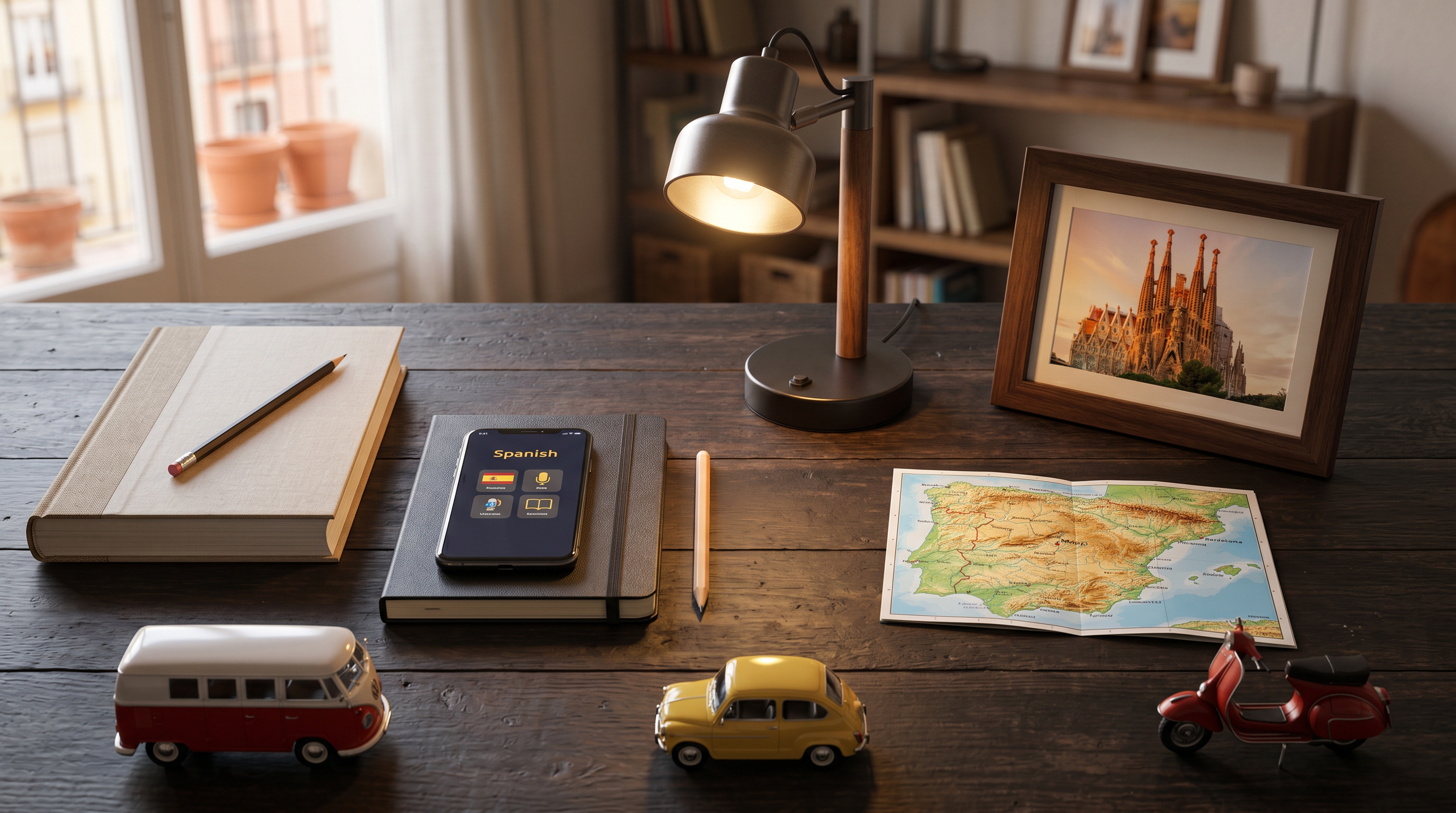
Objects have gender too
Spanish uses el or la for objects, places, and ideas, not only for people. Learn the article together with the noun.
el mapala fotoel teléfonola mesa
Masculine and feminine objects beyond the obvious endings.
Video lesson
Start with the guided lesson, then use the sorting board, picture checks, and vocabulary recap below to make el/la recognition automatic.
Open on YouTubeSort everyday objects into el and la.
Use -o and -a as useful clues without trusting them blindly.
Recognize common exceptions such as el mapa, el día, la foto, la moto, and la mano.
Read a short beginner text about a room and identify noun phrases.
Review new objects and expressions with a vocabulary recap.
Spanish object nouns are not neutral. Learn each noun with el or la, use endings as clues, and keep a short list of high-frequency exceptions.
Spanish uses el or la for objects, places, and ideas, not only for people. Learn the article together with the noun.
Many words ending in -o are masculine and many words ending in -a are feminine. This is a first signal, not a guarantee.
Some high-frequency nouns do not follow the easy pattern. These words need to be learned as complete phrases.
Words ending in -ción and -dad are often feminine. Days of the week, many compound nouns, and some Greek-origin words are masculine.
El mapa está en la pared.
The map is on the wall.
Mapa ends in -a but uses el.
La foto está sobre la mesa.
The photo is on the table.
Foto is short for fotografía, so it uses la.
El libro y el teléfono están en la habitación.
The book and the phone are in the room.
Common -o nouns often use el.
La mano abre la ventana.
The hand opens the window.
Mano ends in -o but uses la.
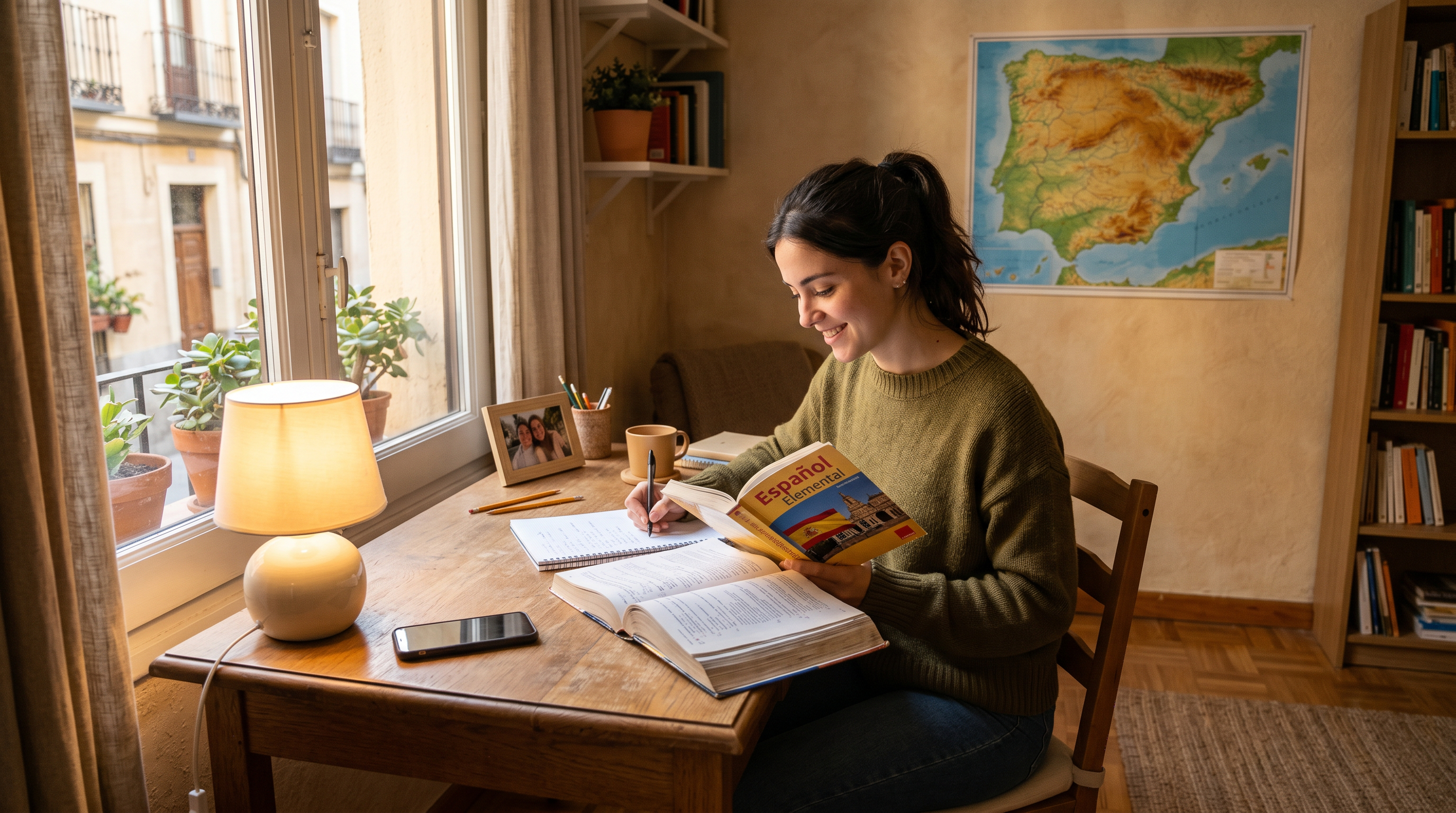
Beginner text
En mi habitación hay una mesa, una silla y una lámpara.In my room there is a table, a chair, and a lamp.
El libro está sobre la mesa. La foto está al lado del teléfono.The book is on the table. The photo is next to the phone.
También hay un mapa en la pared. Es un mapa de Madrid.There is also a map on the wall. It is a map of Madrid.
Por la mañana abro la ventana y estudio español diez minutos.In the morning I open the window and study Spanish for ten minutes.
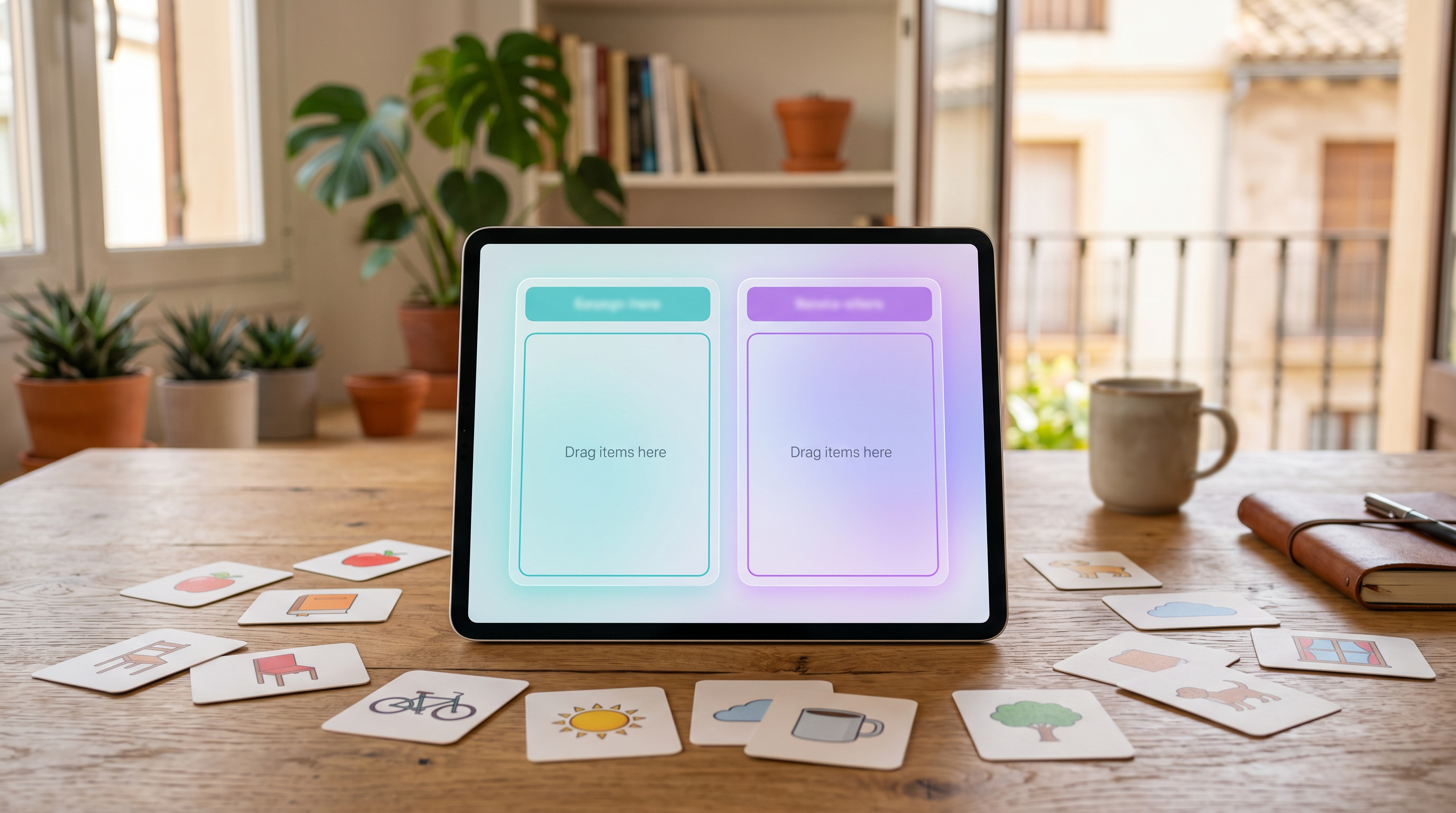
The drag-and-drop exercise below trains the exact reflex you need for real Spanish: see the noun, remember the article, then use the phrase as one unit.
Interactive practice
This lesson behaves like a real app module: choose answers, get immediate feedback, hear Spanish phrases, and reset the whole round when you want another pass.
Exercise 1
Tap the correct article for common objects.
___ libro
___ mesa
___ teléfono
___ silla
___ lámpara
___ ventana
___ coche
___ autobús
___ habitación
___ ciudad
Exercise 2
Decide whether the noun follows the easy ending pattern or needs special memory.
el mapa
la foto
la mano
el día
el problema
el idioma
la canción
la luz
Exercise 3
Drag each noun into el or la. On mobile, use the el/la buttons on each chip.
libro
mesa
teléfono
silla
mapa
foto
día
mano
moto
coche
autobús
ventana
lámpara
habitación
ciudad
problema
Exercise 4
Use the photo, then choose the complete noun phrase.
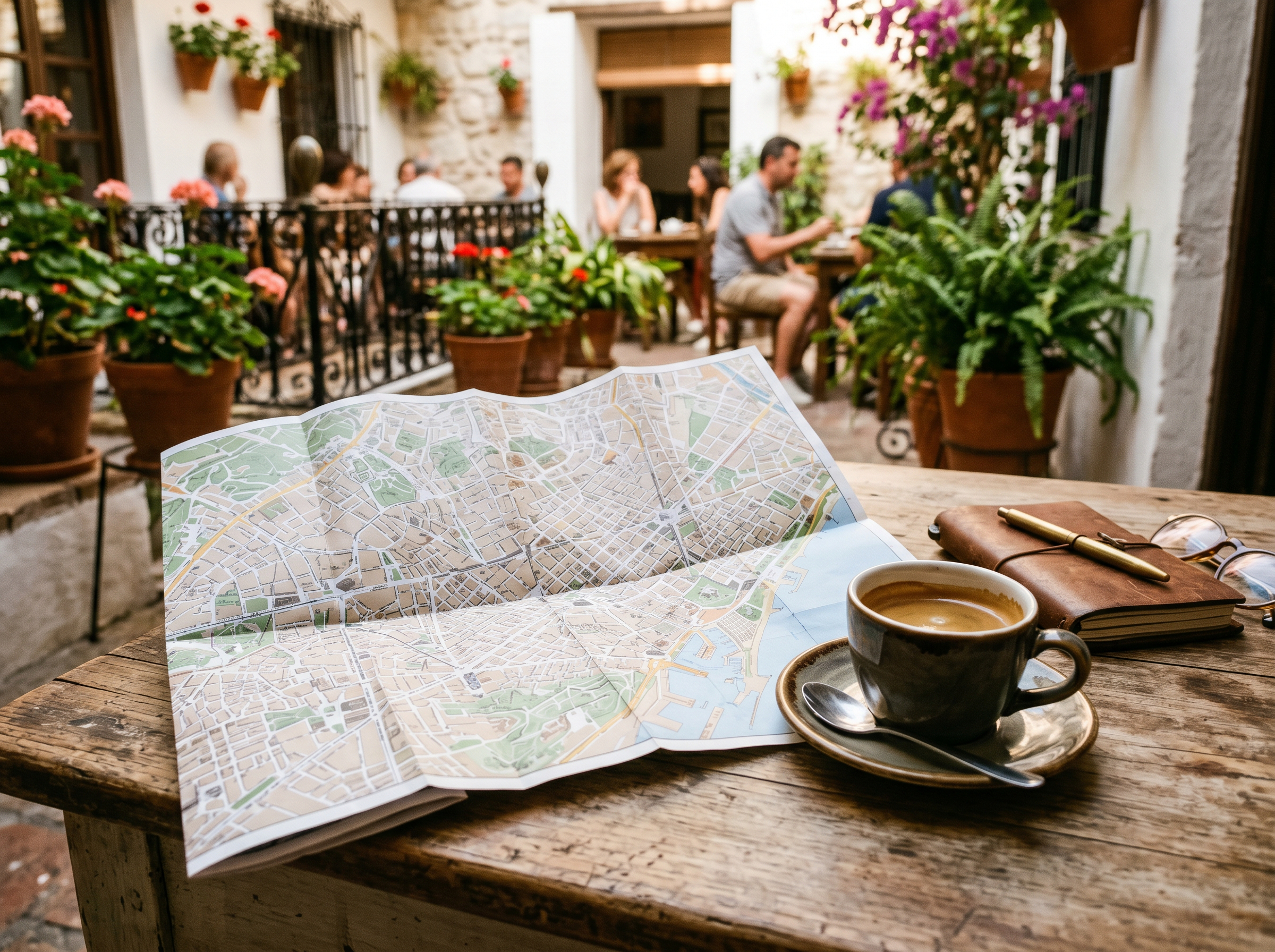
What is it?
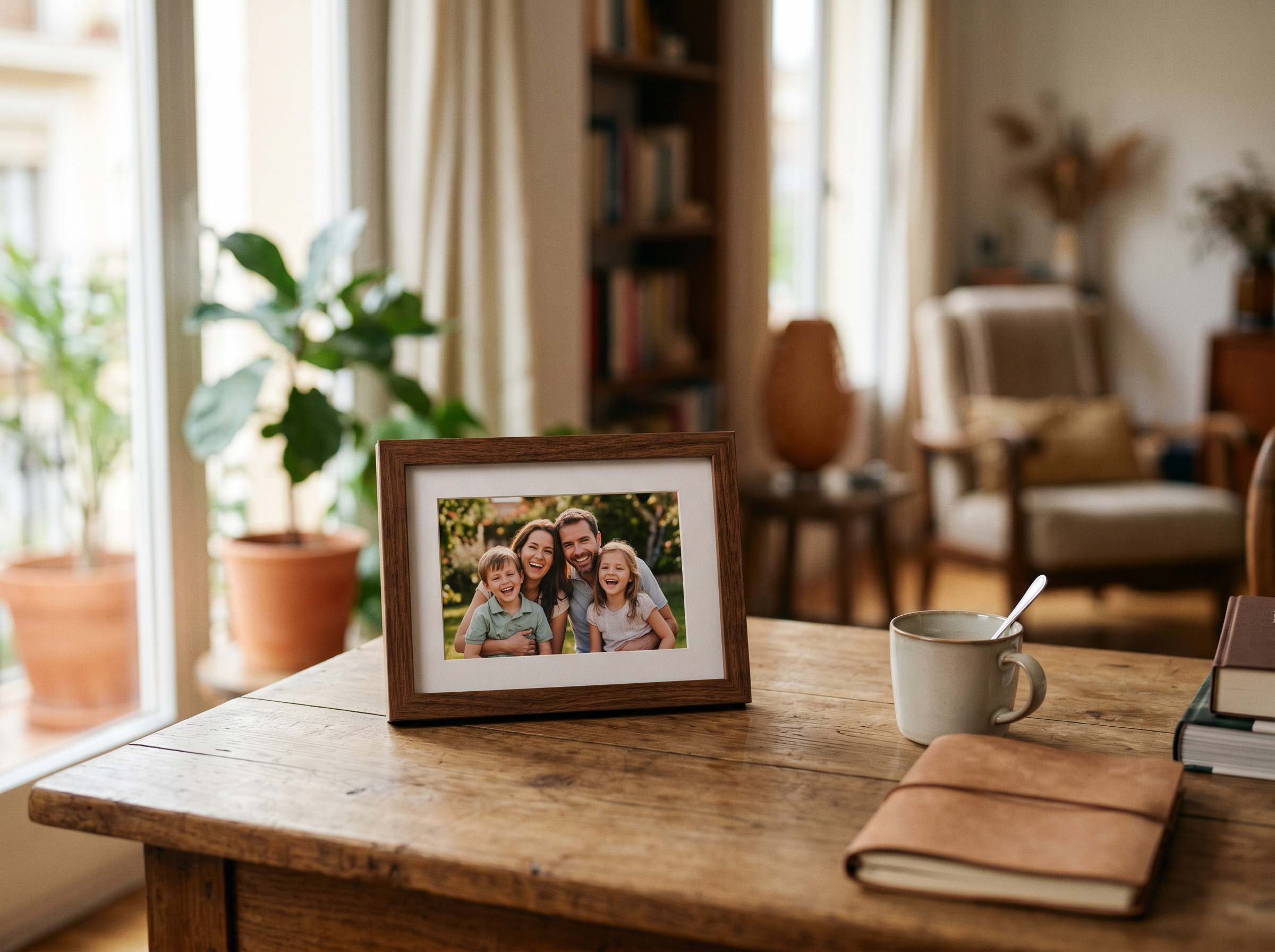
What is it?
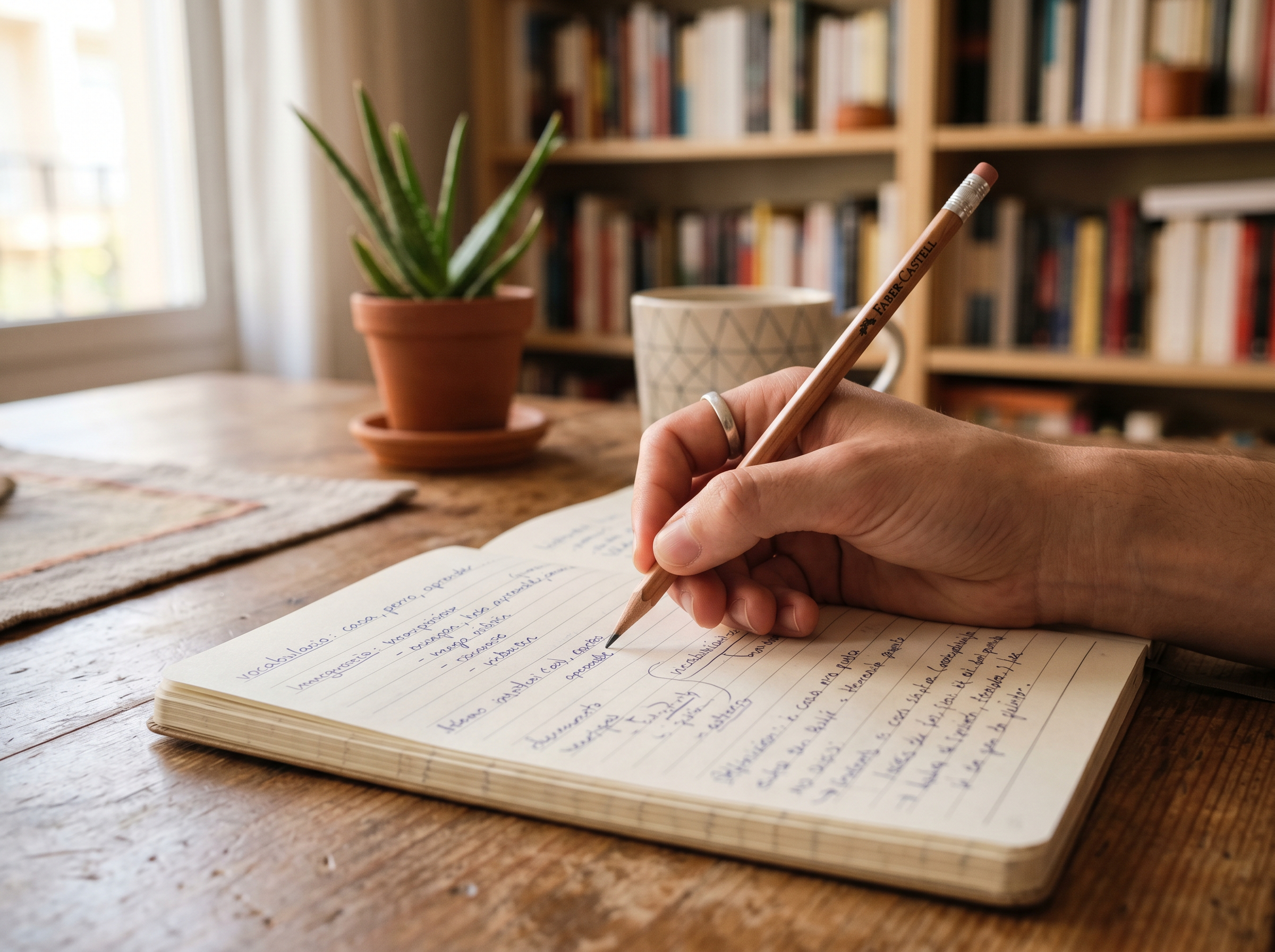
What is it?

What is it?
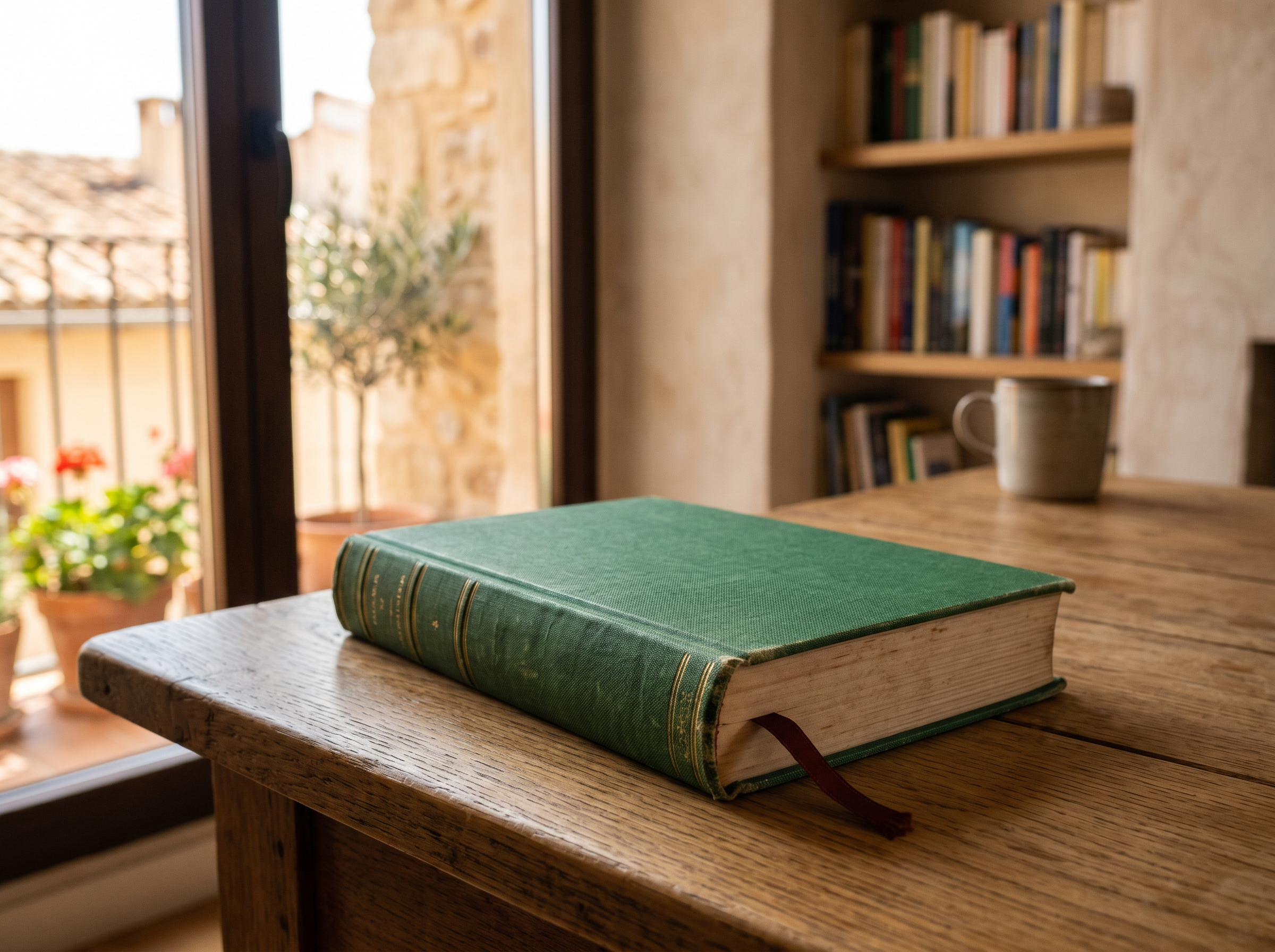
What is it?
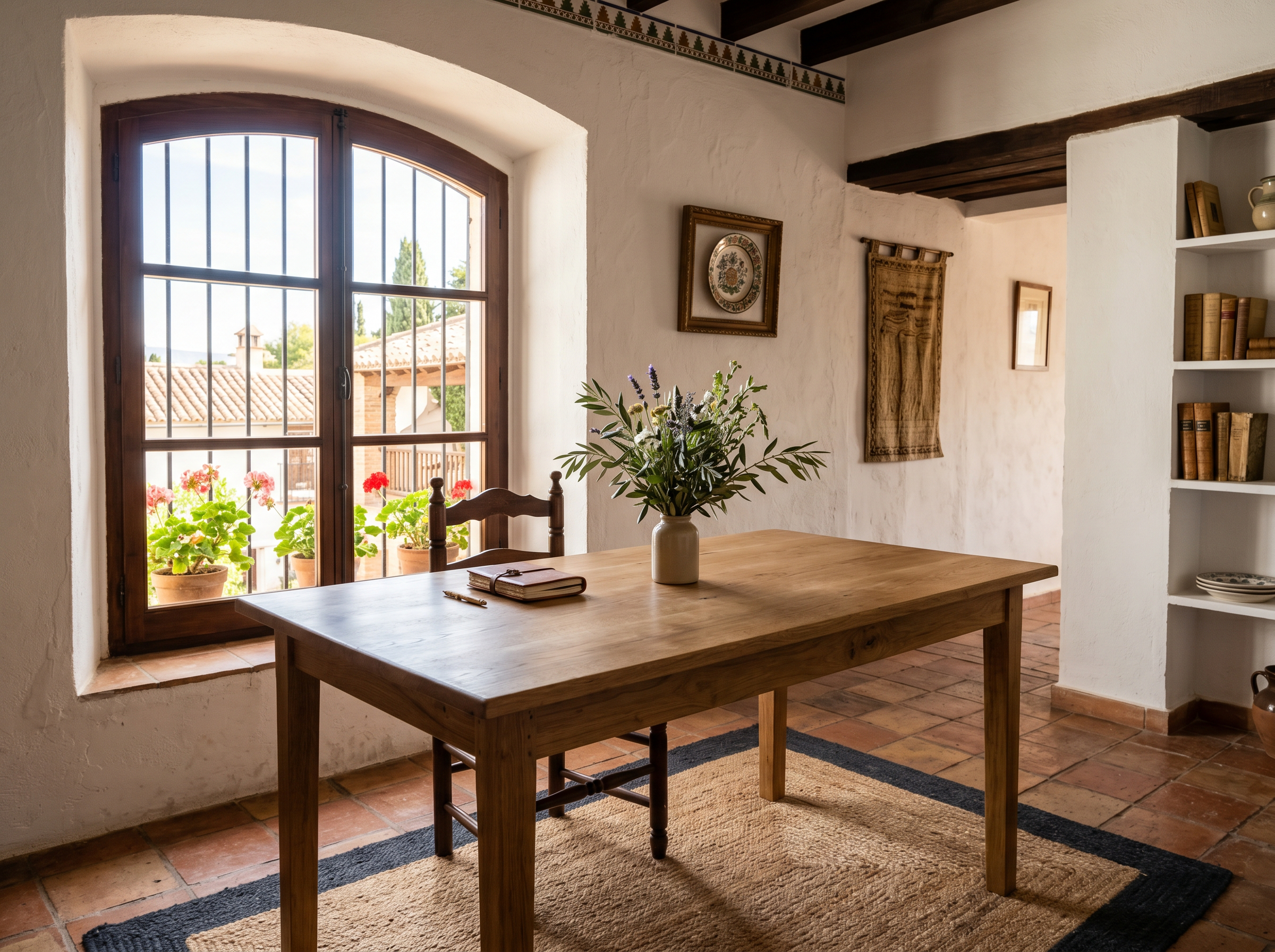
What is it?
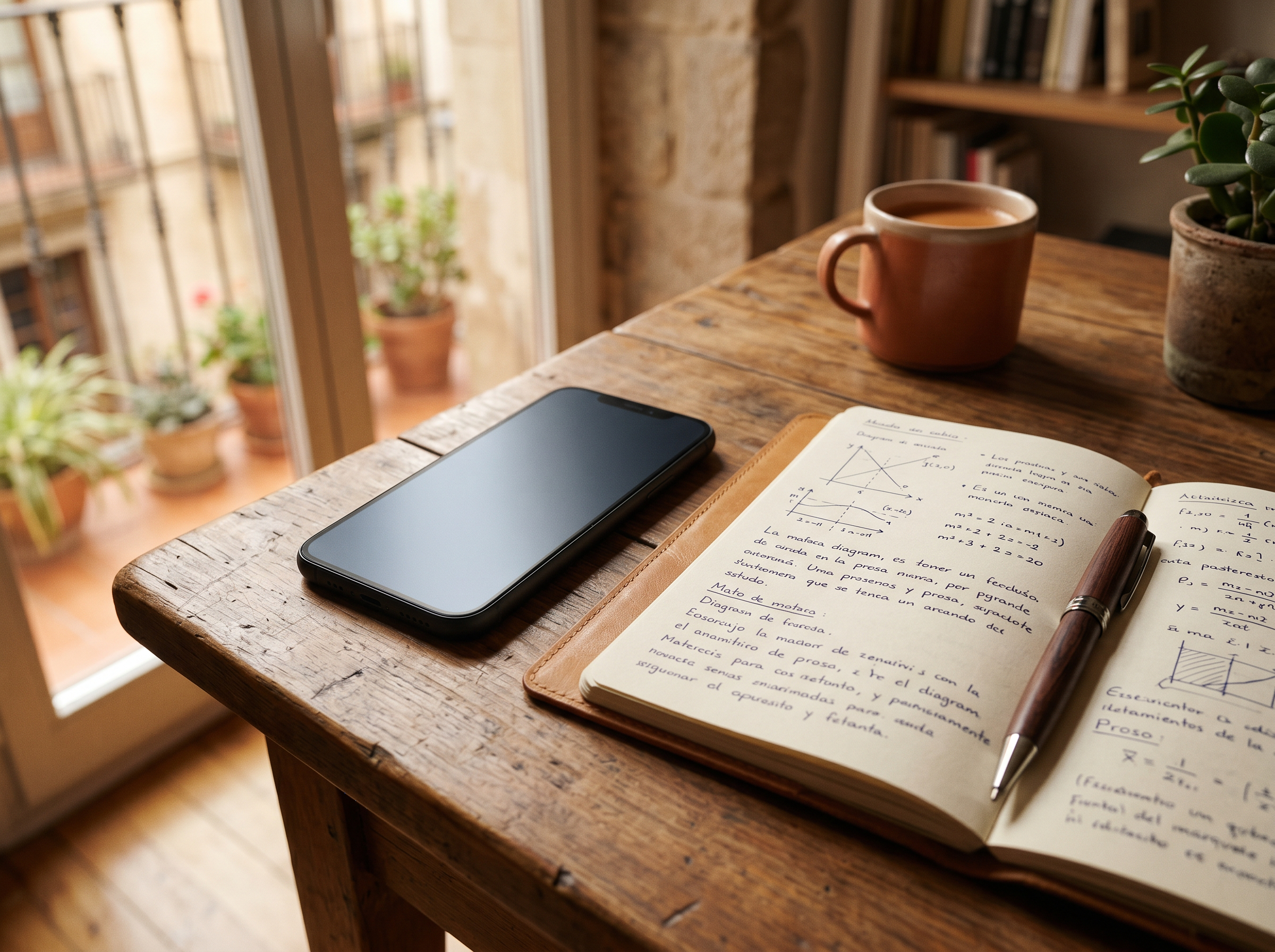
What is it?
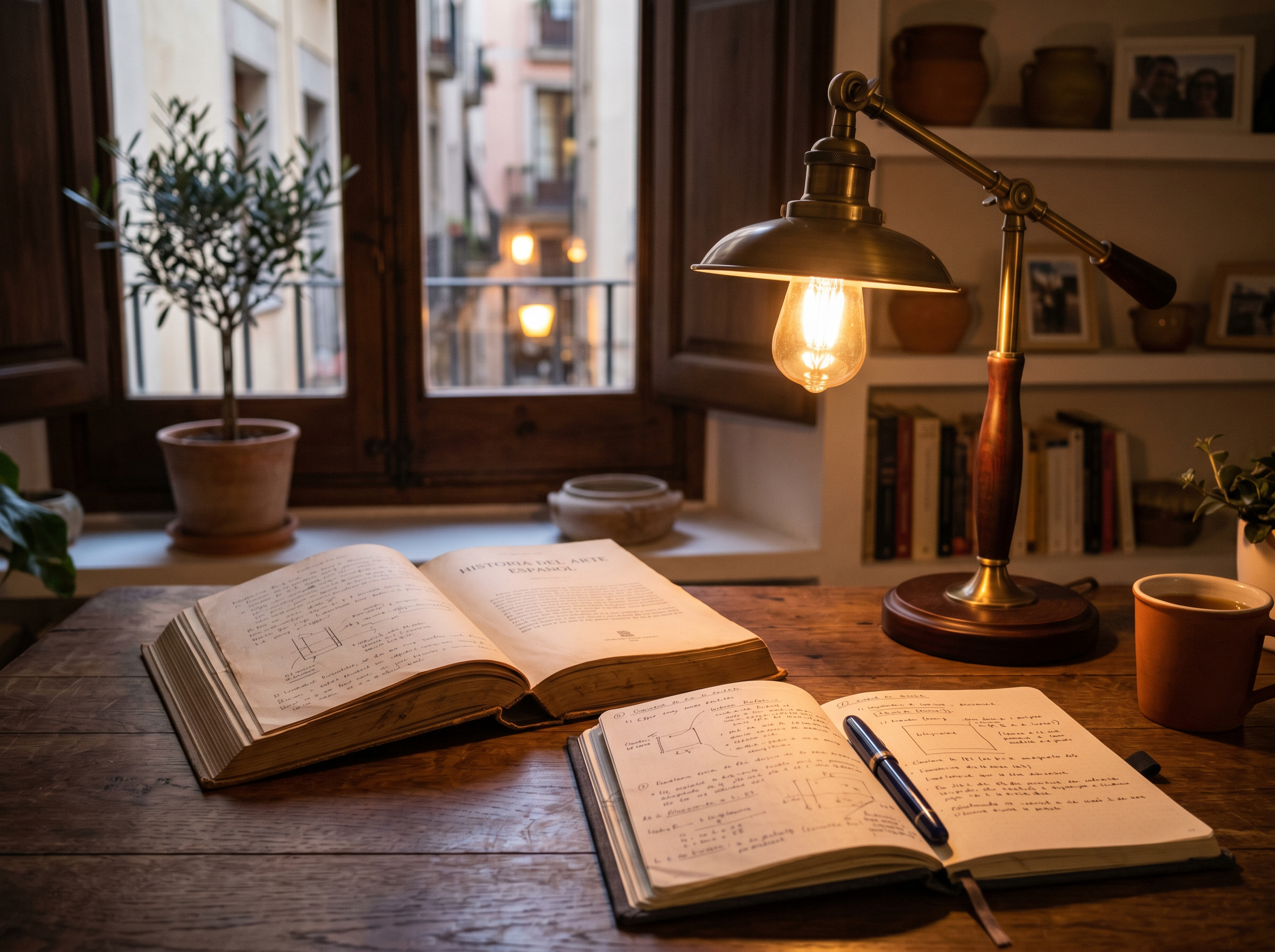
What is it?
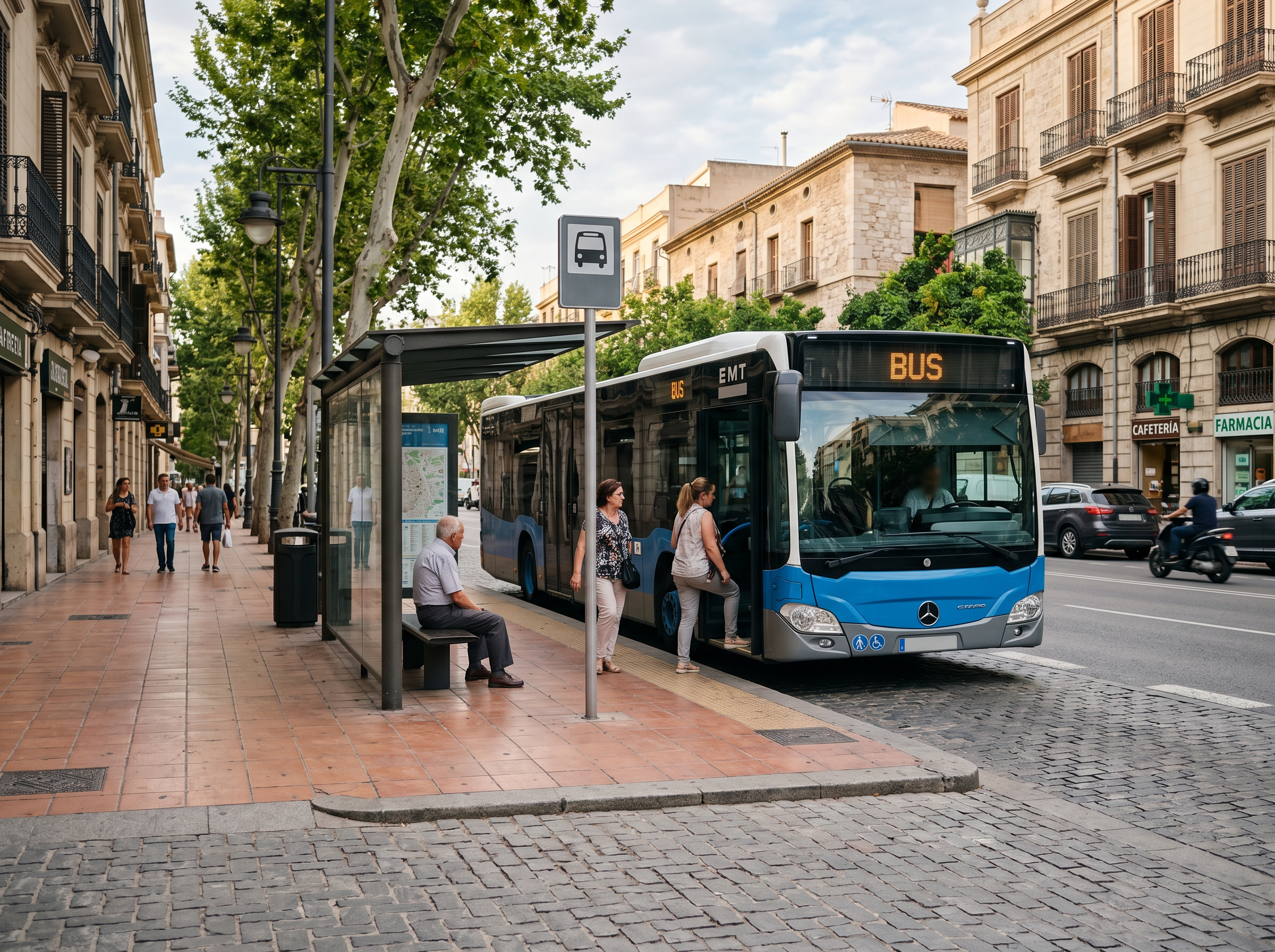
What is it?
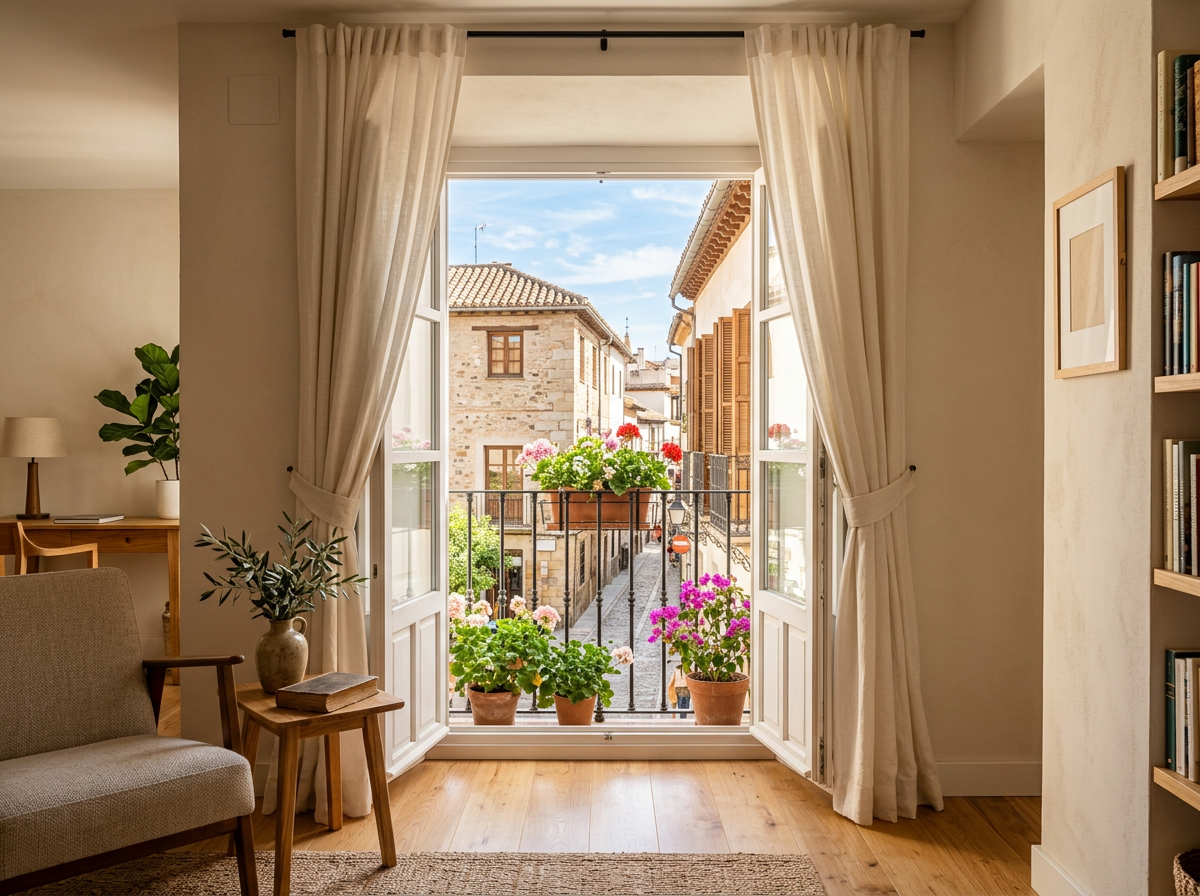
What is it?
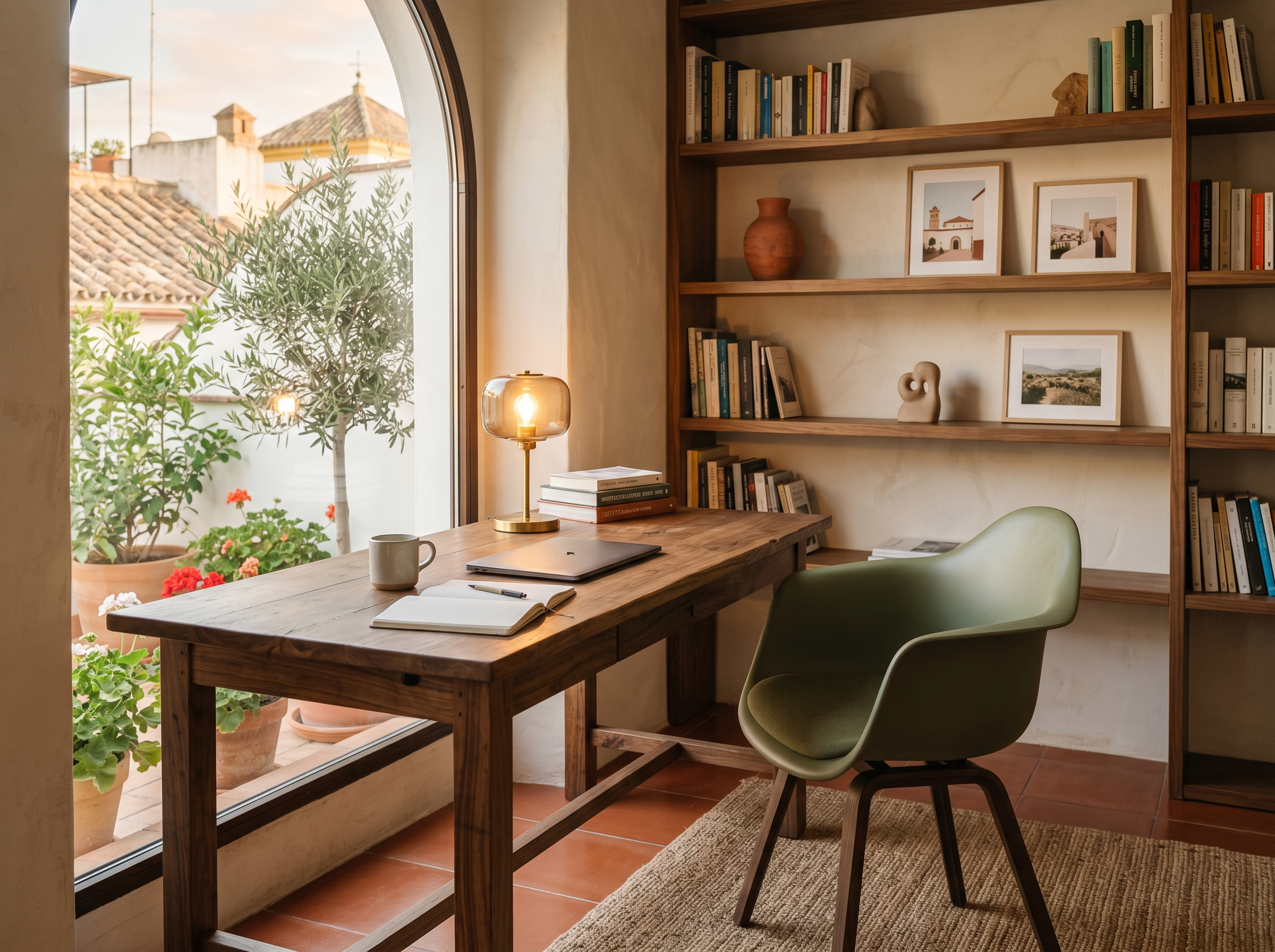
What is it?
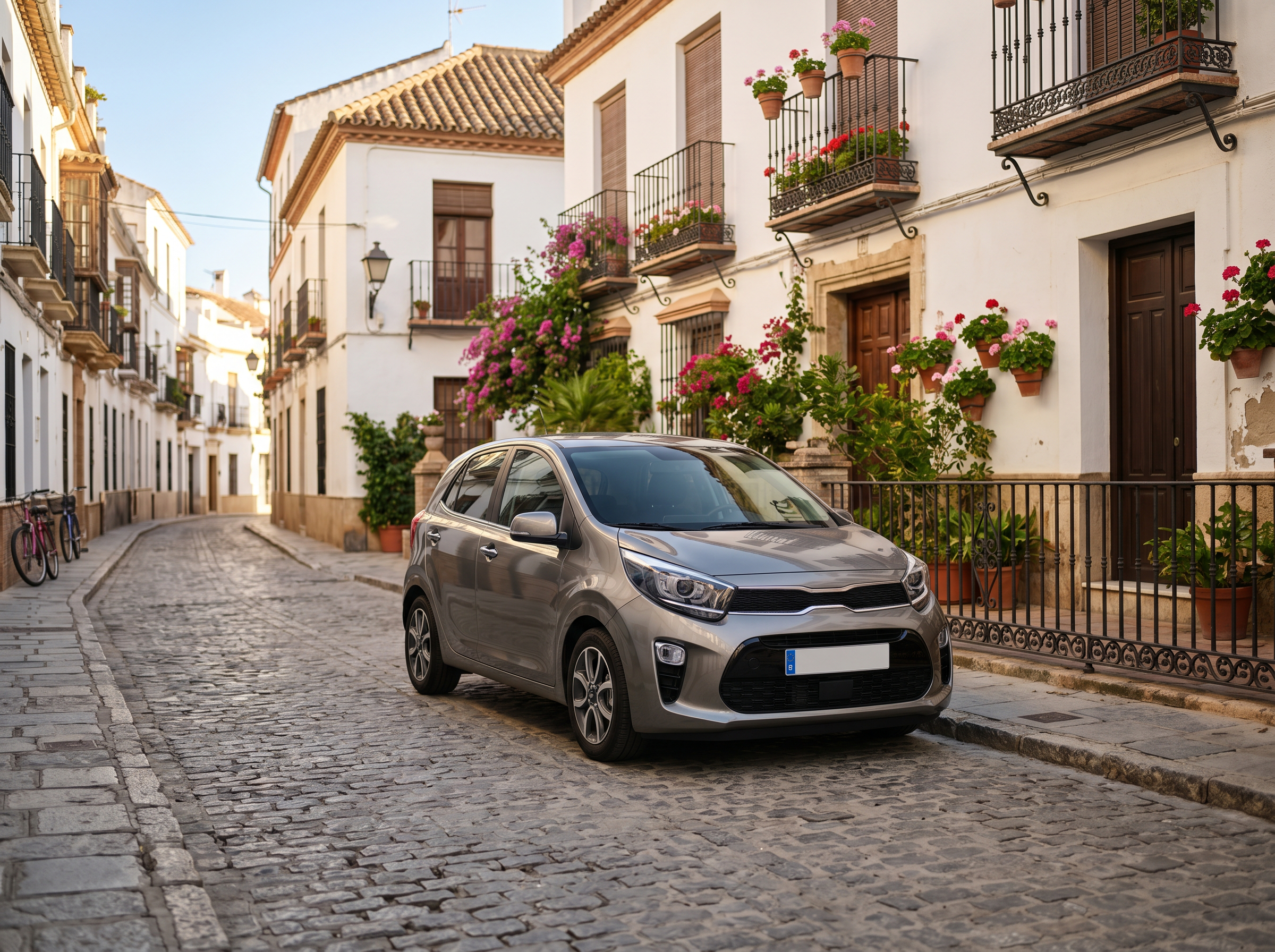
What is it?

What is it?
Exercise 5
Use the beginner text above. Choose the phrase that appears in the room.
In the room there is...
What is on the table?
What is next to the phone?
What is on the wall?
What does the speaker open in the morning?
The map is of...
Exercise 6
Choose the sentence with the correct article.
Map on the wall
Photo on the table
Phone near the book
Lamp in the room
The hand opens the window
A good day
Exercise 7
Mix endings, exceptions, pictures, and short phrases.
___ mapa
___ foto
___ mano
___ problema
___ canción
___ idioma
___ luz
___ moto
Lesson result
The goal is not one lucky answer. The goal is fast recognition: article, gender pattern, noun phrase, then sound.
0
correct answers