Clara lleva gafas.
Hoy lleva unas gafas rojas muy modernas.
Contrast professions, categories, habits, and quantities to decide when Spanish uses no article and when un, una, unos, or unas returns.
Video lesson
Start with the guided video, then compare professions, habits, categories, and materials in the interactive exercises below.
Open on YouTubeState an unmodified profession after ser without an article.
Use an indefinite article when a profession identifies or characterizes one person.
Recognize bare nouns for categories, habits, materials, and unspecified amounts.
Use un, una, unos, or unas for one or some countable instances.
Explain contrasts such as lleva gafas and lleva unas gafas modernas.
Practice all Lesson 5 professions and contrast nouns in complete sentences.
Spanish does not simply delete an article. A bare noun can name a profession, category, habit, or material. An indefinite article introduces one or some people or things and can characterize them.
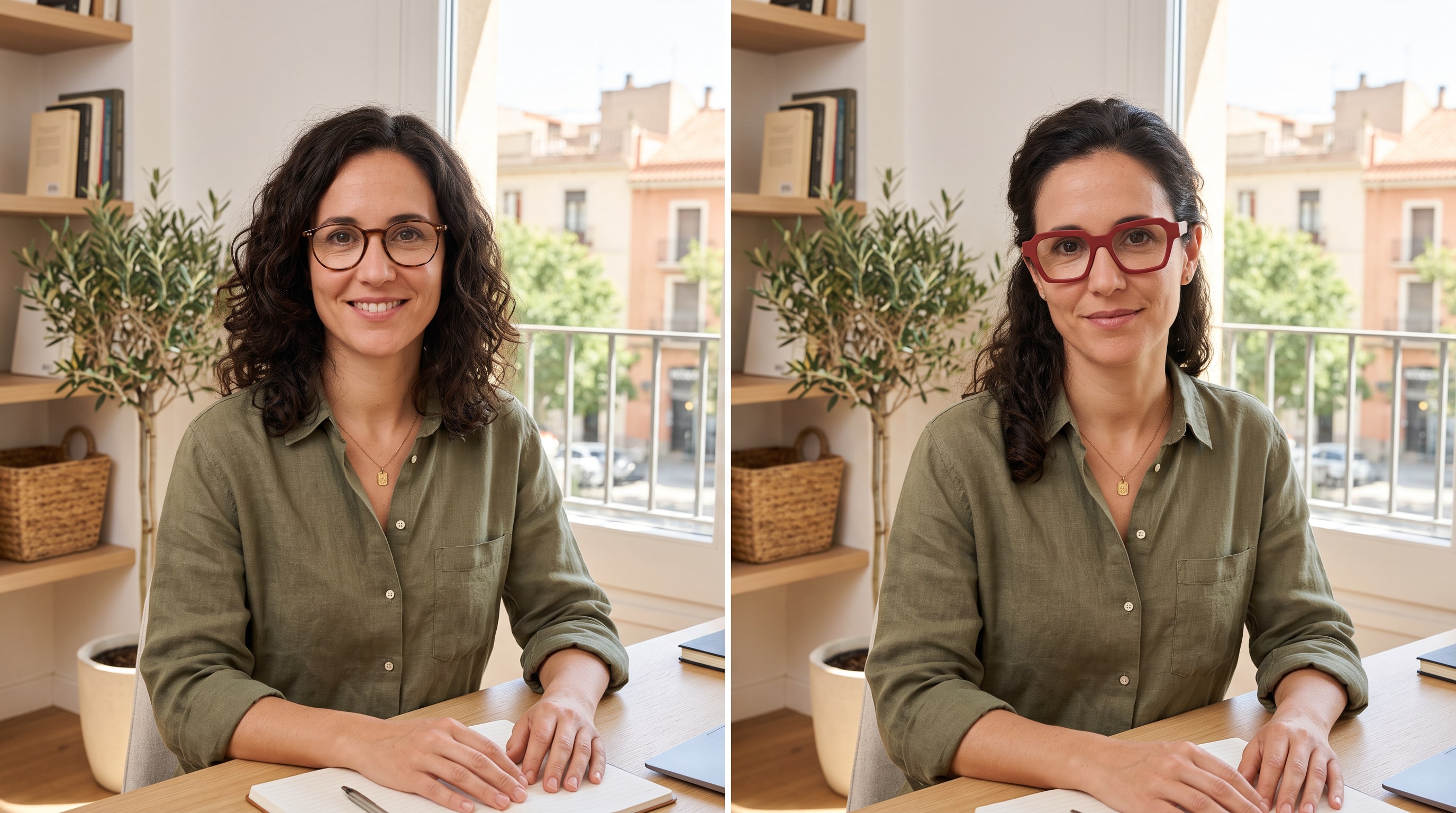
Clara lleva gafas.
Hoy lleva unas gafas rojas muy modernas.
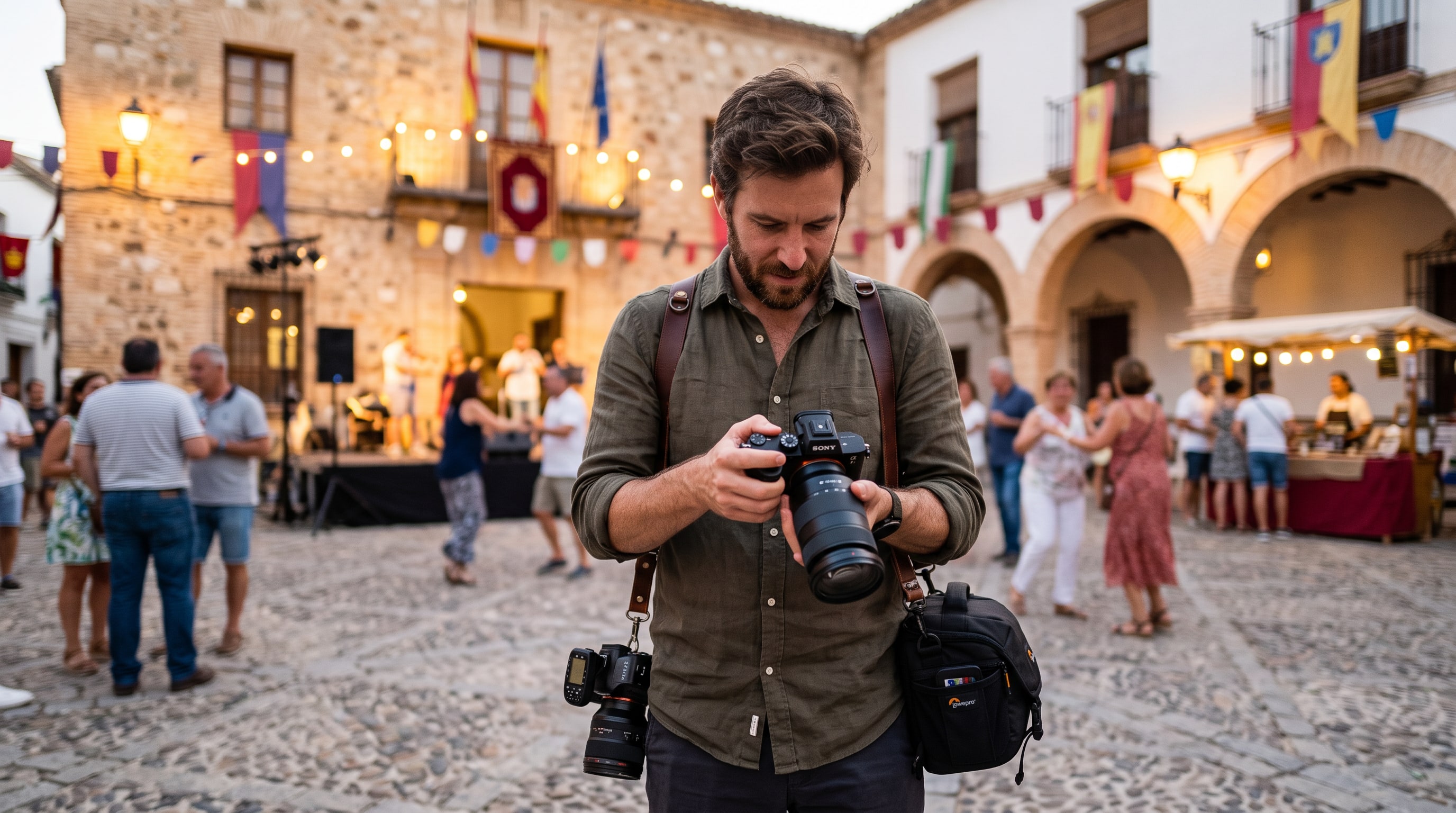
Manuel es fotógrafo.
Manuel es un fotógrafo muy creativo.
Nuria no tiene coche.
Quiere comprar un coche eléctrico.
After ser or hacerse, an unmodified profession normally has no article.
Inés es médica.
A customary possession, activity, unspecified plural, or material often has no article.
Clara lleva gafas. Pedro prepara pan.
Use un, una, unos, or unas when you introduce, count, identify, or characterize.
Hoy lleva unas gafas rojas.
Lesson 4 introduced un, una, unos, and unas. Lesson 5 shows when Spanish leaves that position unfilled. Read each rule with its contrast and avoid deciding from the English translation alone.
When an unmodified profession classifies the subject, Spanish normally uses the profession directly after ser. The sentence answers what someone does.
Use an indefinite article when the profession phrase presents one person and adds an evaluative description. The article is not triggered mechanically by every adjective; the whole phrase characterizes the person.
An article is common when a speaker introduces or identifies one member of a profession. Without the article, the same noun can simply state the person's occupation.
With common possession, need, search, clothing, and habitual activities, a noun can name a category instead of one counted object. This pattern is common but does not apply to every noun after every verb.
Mass nouns and indefinite plurals often appear without an article when no amount is counted or introduced.
Use un or una for one countable instance and unos or unas for an indefinite plural quantity. A description often makes the intended instance easier to recognize.
Clara lleva gafas todos los días.
Clara wears glasses every day.
Gafas names her usual equipment; no pair is counted.
Hoy lleva unas gafas rojas muy modernas.
Today she is wearing some very modern red glasses.
Unas introduces a particular described pair.
Manuel es fotógrafo.
Manuel is a photographer.
The sentence states his profession.
Manuel es un fotógrafo muy creativo.
Manuel is a very creative photographer.
Un presents and characterizes Manuel as one photographer.
Nuria no tiene coche.
Nuria does not have a car.
Coche is a category of possession.
Nuria quiere comprar un coche eléctrico.
Nuria wants to buy an electric car.
Un introduces one countable car.
Rosa escribe novelas.
Rosa writes novels.
Novelas describes her habitual activity.
Esta noche presenta una novela nueva.
Tonight she is presenting a new novel.
Una introduces one specific new work.
Precision note
Do not learn “adjective equals article” as a mechanical rule. In this A1 lesson, an evaluative description such as una médica excelente clearly characterizes one person. Other classification structures can behave differently, so the sentence's meaning remains the final test.
Read the story in two parts. Notice when a profession classifies a person and when an article introduces or describes one person or thing.
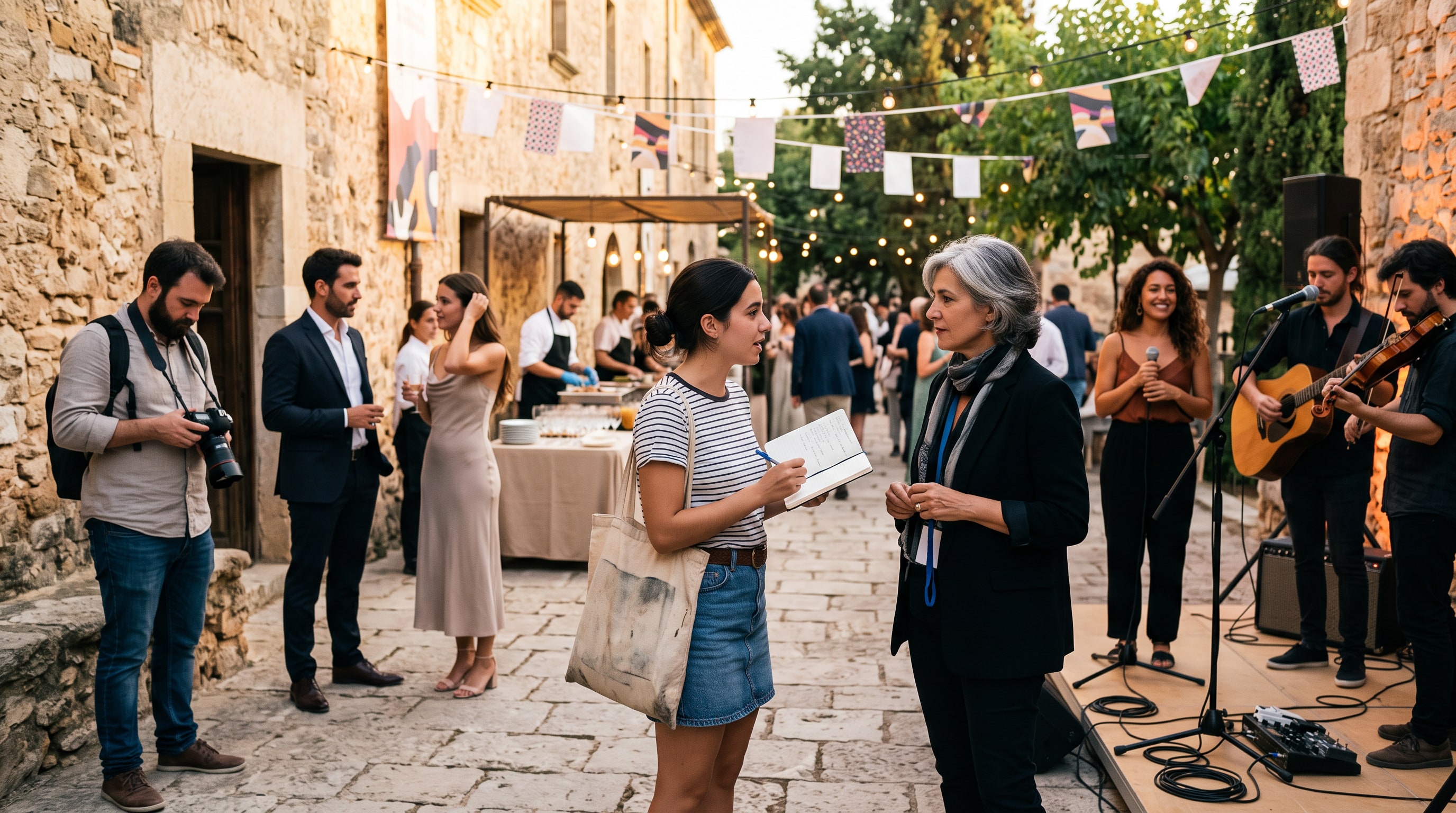
Alba es estudiante de periodismo y ayuda en el Festival Luna. Su madre es ingeniera y su padre es profesor.
Alba is a journalism student and helps at the Luna Festival. Her mother is an engineer and her father is a teacher.
Vera es directora de cine. Presenta a Tomás, que es actor, y a Julia, que es una actriz muy divertida.
Vera is a film director. She introduces Tomás, who is an actor, and Julia, who is a very funny actress.
Lina es cantante, Nico es músico y Ana y Leo son músicos. Bruno es fotógrafo y prepara las fotos del festival.
Lina is a singer, Nico is a musician, and Ana and Leo are musicians. Bruno is a photographer and prepares the festival photos.
Alba quiere ser periodista. Habla con Rosa, una escritora famosa que presenta una novela nueva.
Alba wants to be a journalist. She speaks with Rosa, a famous writer who is presenting a new novel.
En la cocina, Marta es camarera y Pedro es cocinero. Pedro prepara pan y carne, y Marta trae agua.
In the kitchen, Marta is a waitress and Pedro is a cook. Pedro prepares bread and meat, and Marta brings water.
Bruno lleva gafas, pero hoy busca unas gafas negras. Manuel lleva corbata al trabajo, pero esta noche lleva una corbata roja.
Bruno wears glasses, but today he is looking for some black glasses. Manuel wears a tie to work, but tonight he is wearing a red tie.
Fuera, un coche antiguo se para. Inés es médica, Raúl es abogado y Sofía es ingeniera; los tres ayudan.
Outside, an old car stops. Inés is a doctor, Raúl is a lawyer, and Sofía is an engineer; all three help.
Rosa escribe novelas y colecciona sellos. Esta noche enseña unos sellos muy antiguos que inspiraron su nueva novela.
Rosa writes novels and collects stamps. Tonight she shows some very old stamps that inspired her new novel.
Grammar phrases from the story
The practice moves from recognition to full-sentence production. For no-article blanks, type sin artículo instead of submitting an empty field.
Interactive practice
This lesson behaves like a real app module: choose answers, get immediate feedback, hear Spanish phrases, and reset the whole round when you want another pass.
Exercise 1
Choose sin artículo, un, una, unos, or unas. Read the full meaning before you decide.
Mara es ___ médica.
Mara es ___ médica excelente.
Leo y Sol son ___ estudiantes.
Alba quiere ser ___ periodista.
Elena es ___ periodista con mucha experiencia.
Necesito ___ gafas para leer.
Necesito ___ gafas especiales para el trabajo.
Tomás no come ___ carne.
Rosa presenta ___ novela nueva.
Rosa colecciona ___ sellos.
Exercise 2
Use the visual cue and context. Type the complete profession phrase shown by the dots.

Claudia trabaja con leyes. Claudia es ...
Type the complete Spanish answer.
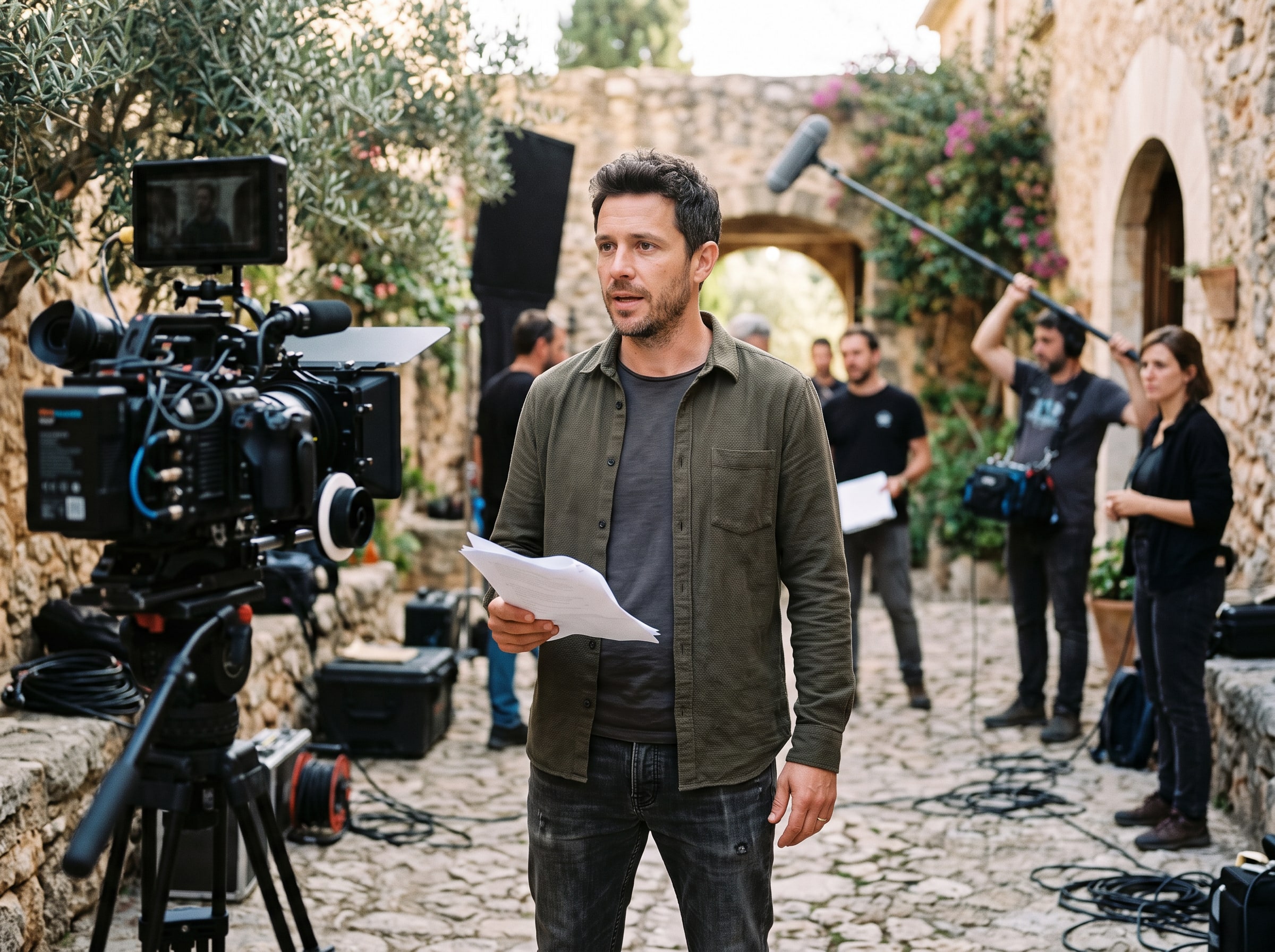
Diego trabaja en películas. Diego es ...
Type the complete Spanish answer.
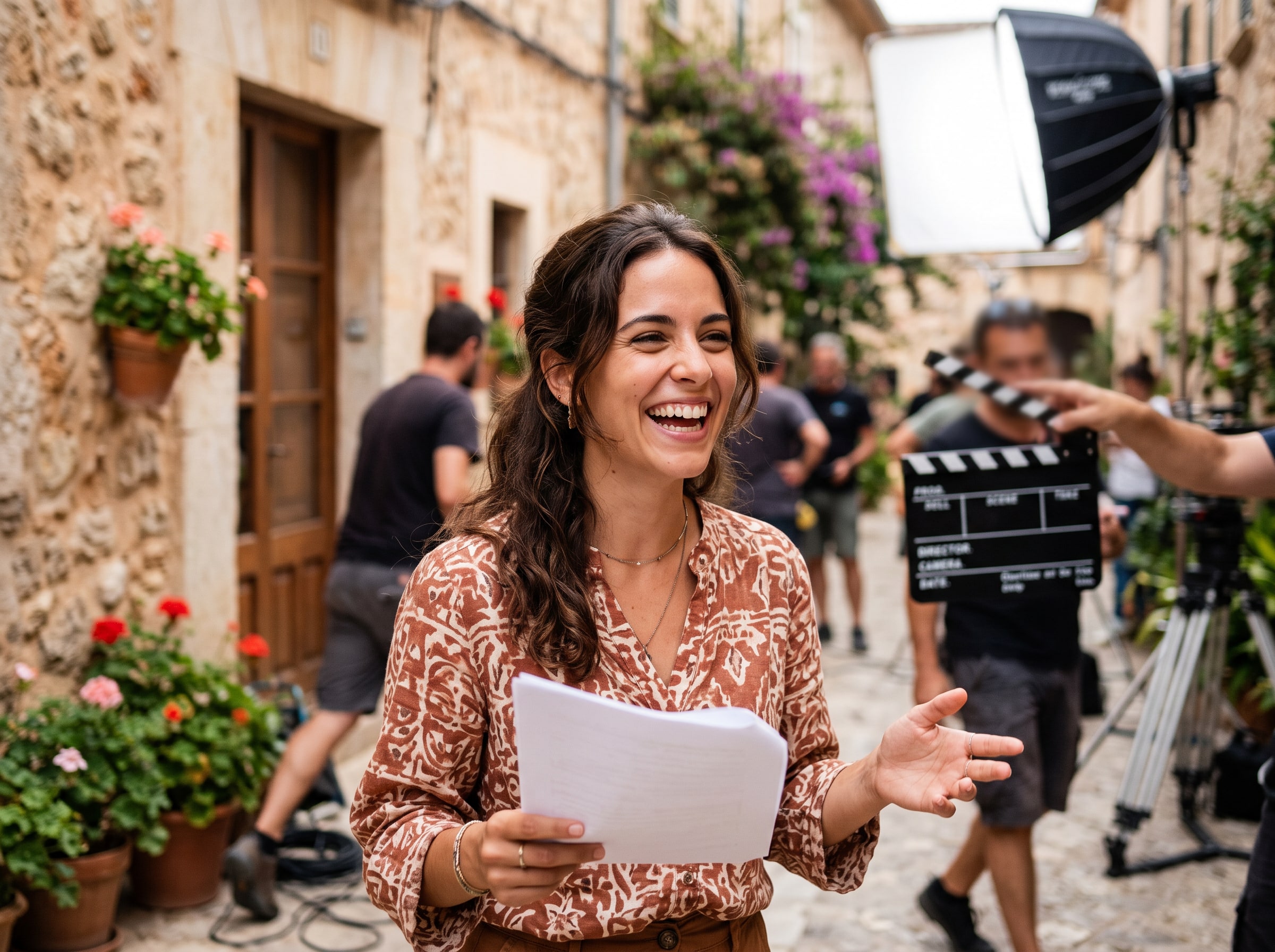
¿Quién es Julia? Es ... muy divertida.
Type the complete Spanish answer.

Marta sirve las mesas. Marta es ...
Type the complete Spanish answer.

Pedro prepara la cena. Pedro es ...
Type the complete Spanish answer.
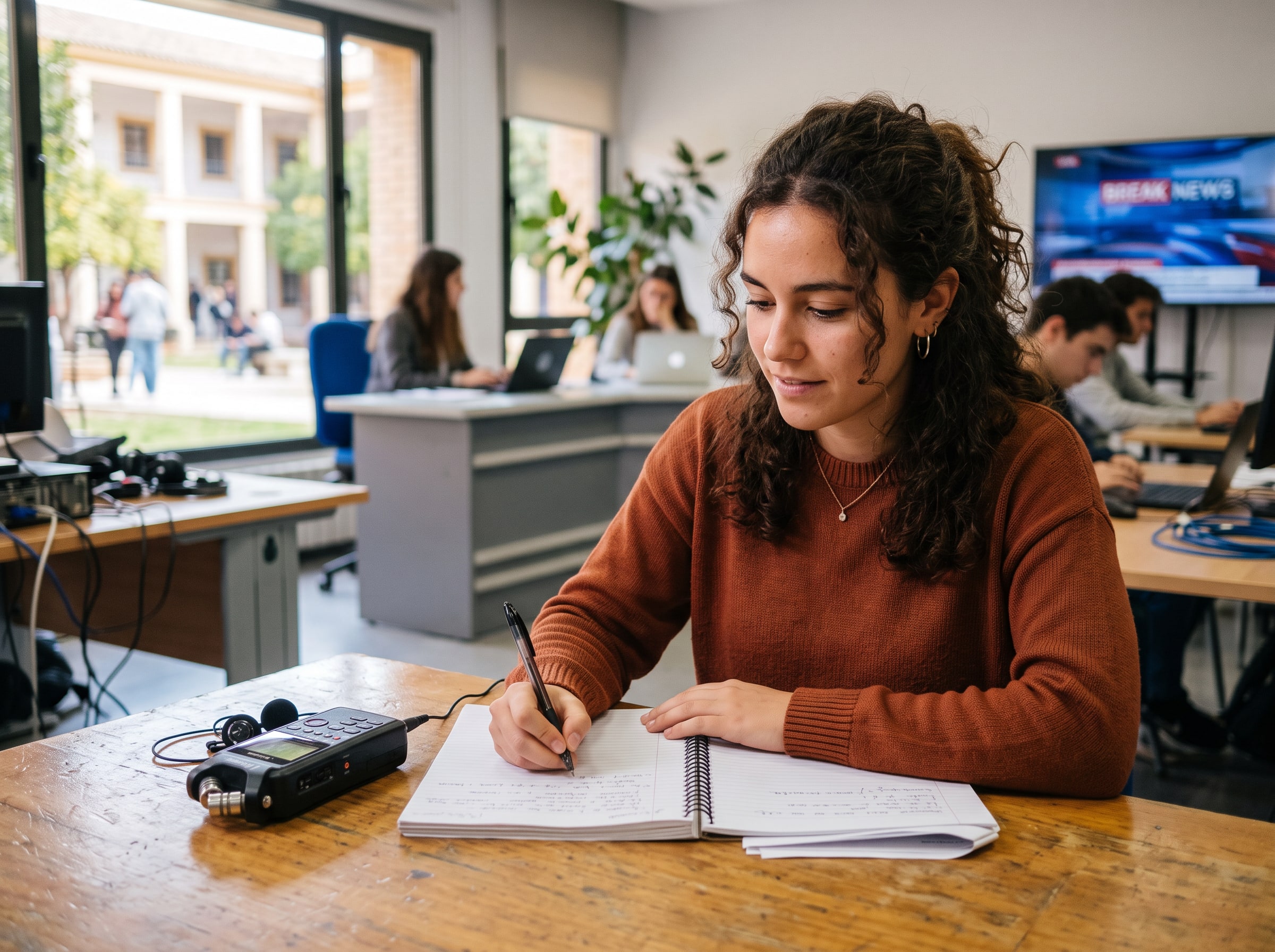
Alba estudia periodismo. Alba es ...
Type the complete Spanish answer.
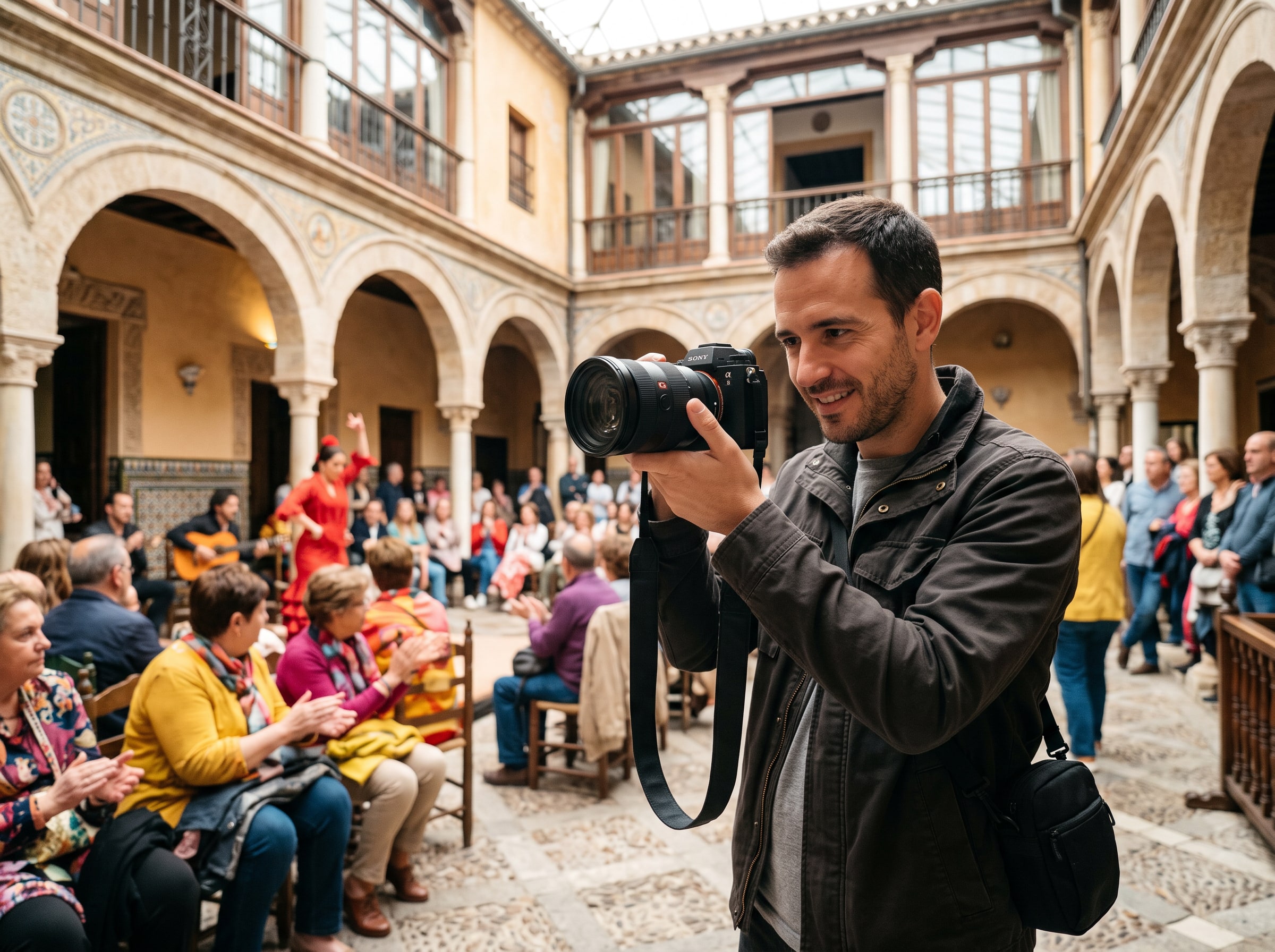
Bruno trabaja con una cámara. Bruno es ...
Type the complete Spanish answer.

Inés trabaja en un hospital. Inés es ...
Type the complete Spanish answer.

Raúl enseña español. Raúl es ...
Type the complete Spanish answer.
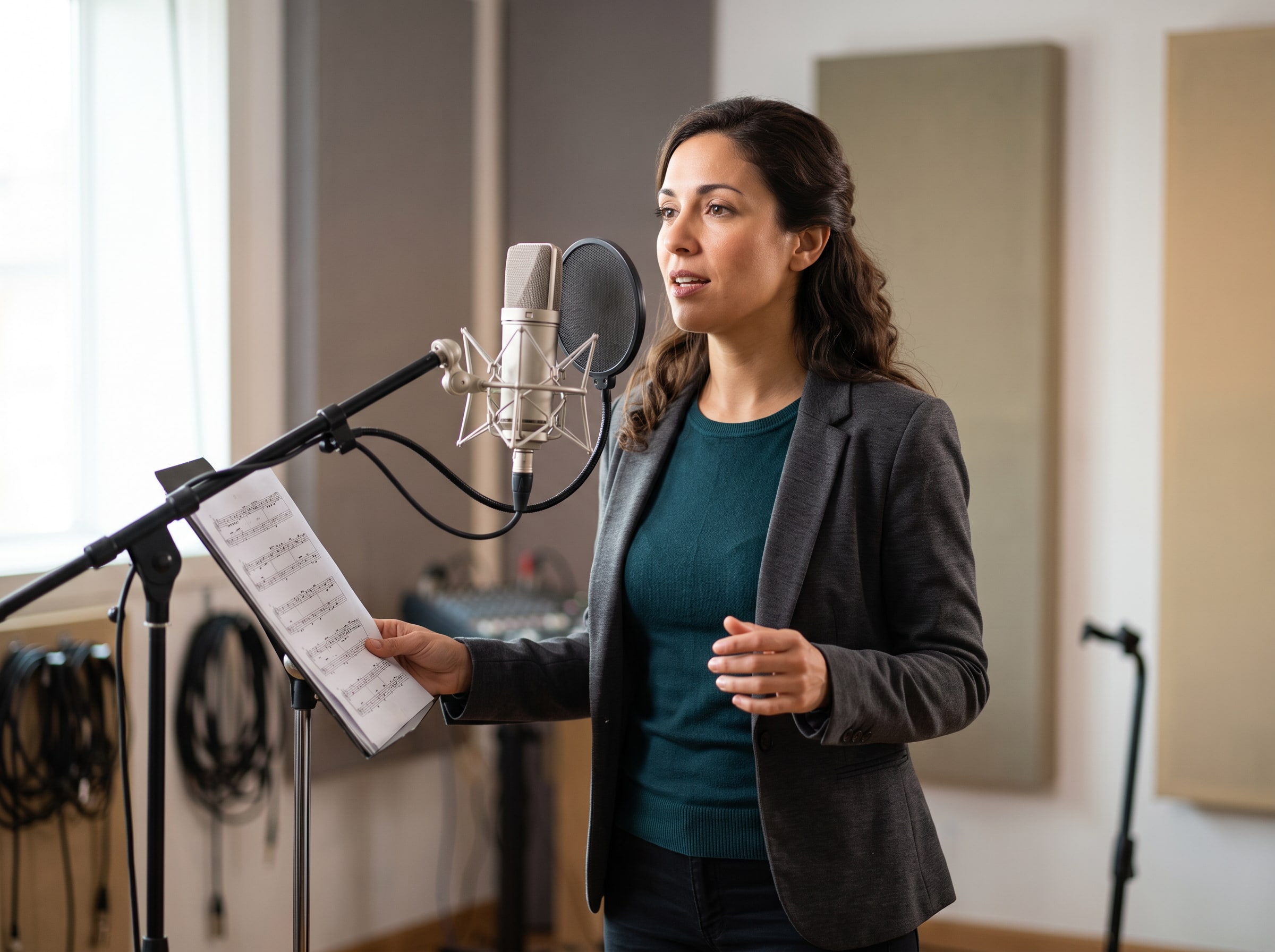
Lina canta en el festival. Lina es ...
Type the complete Spanish answer.

Rosa escribe novelas. Rosa es ...
Type the complete Spanish answer.
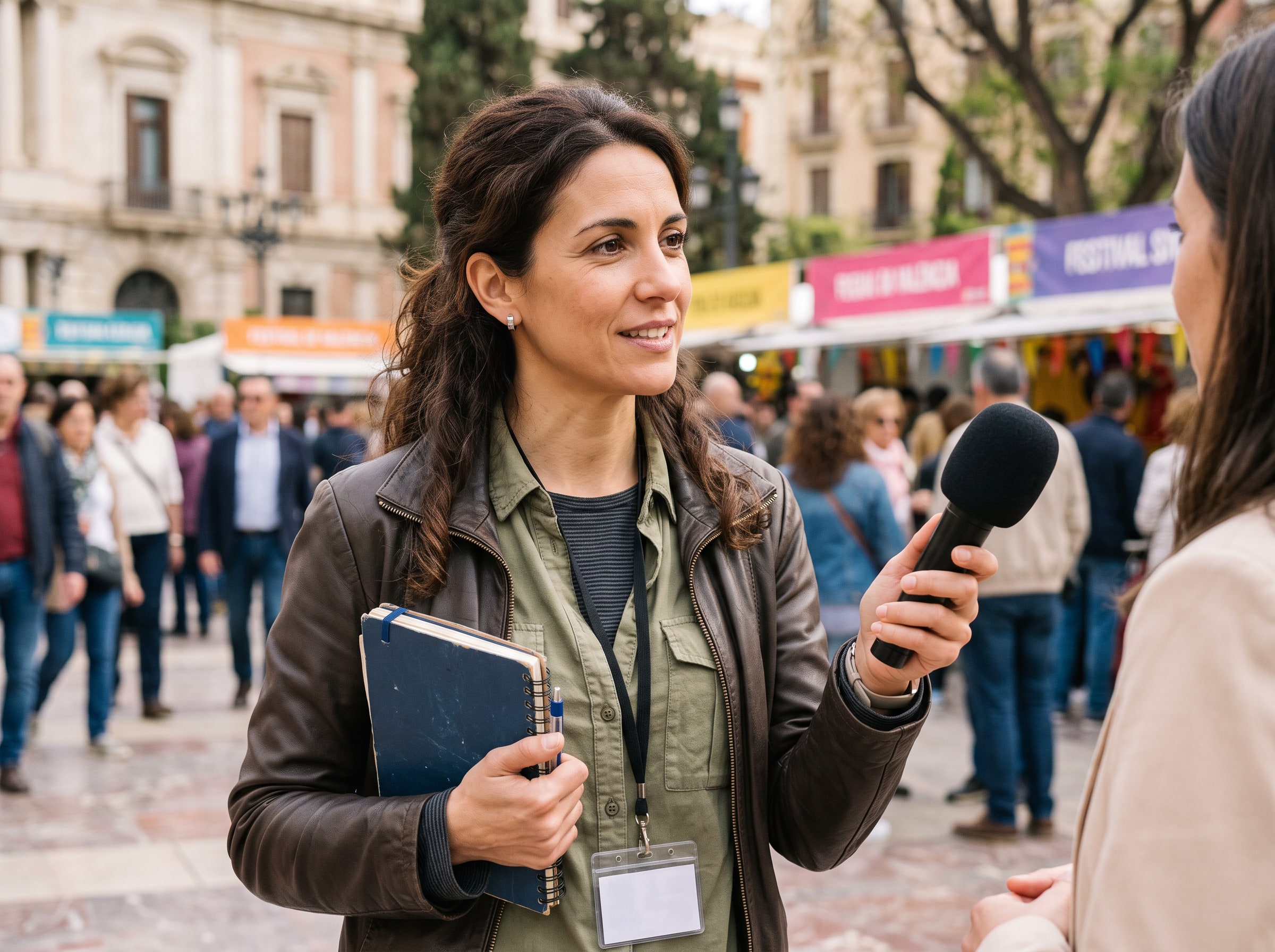
Nora prepara noticias. Nora es ...
Type the complete Spanish answer.
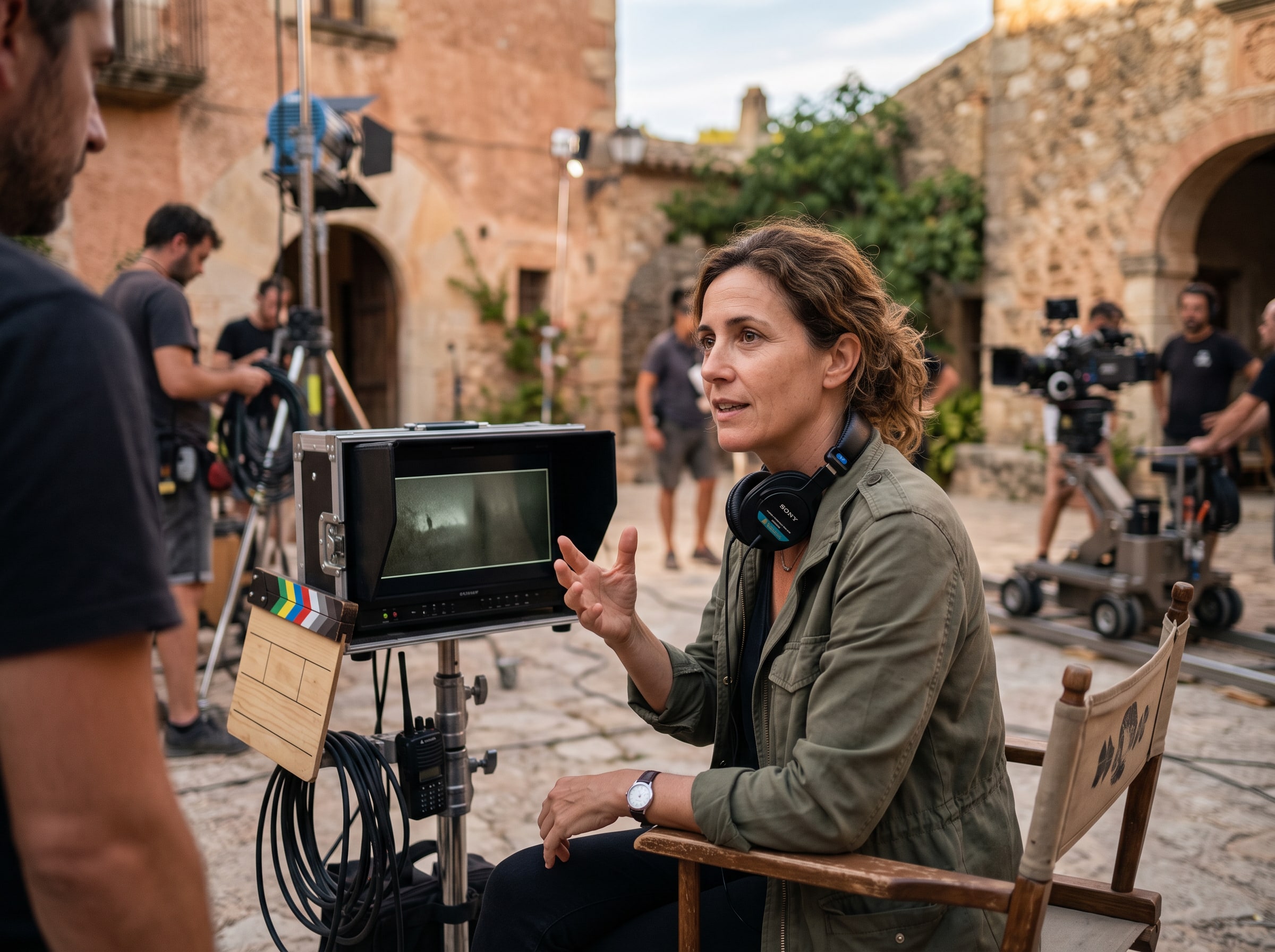
Vera dirige películas. Vera es ...
Type the complete Spanish answer.
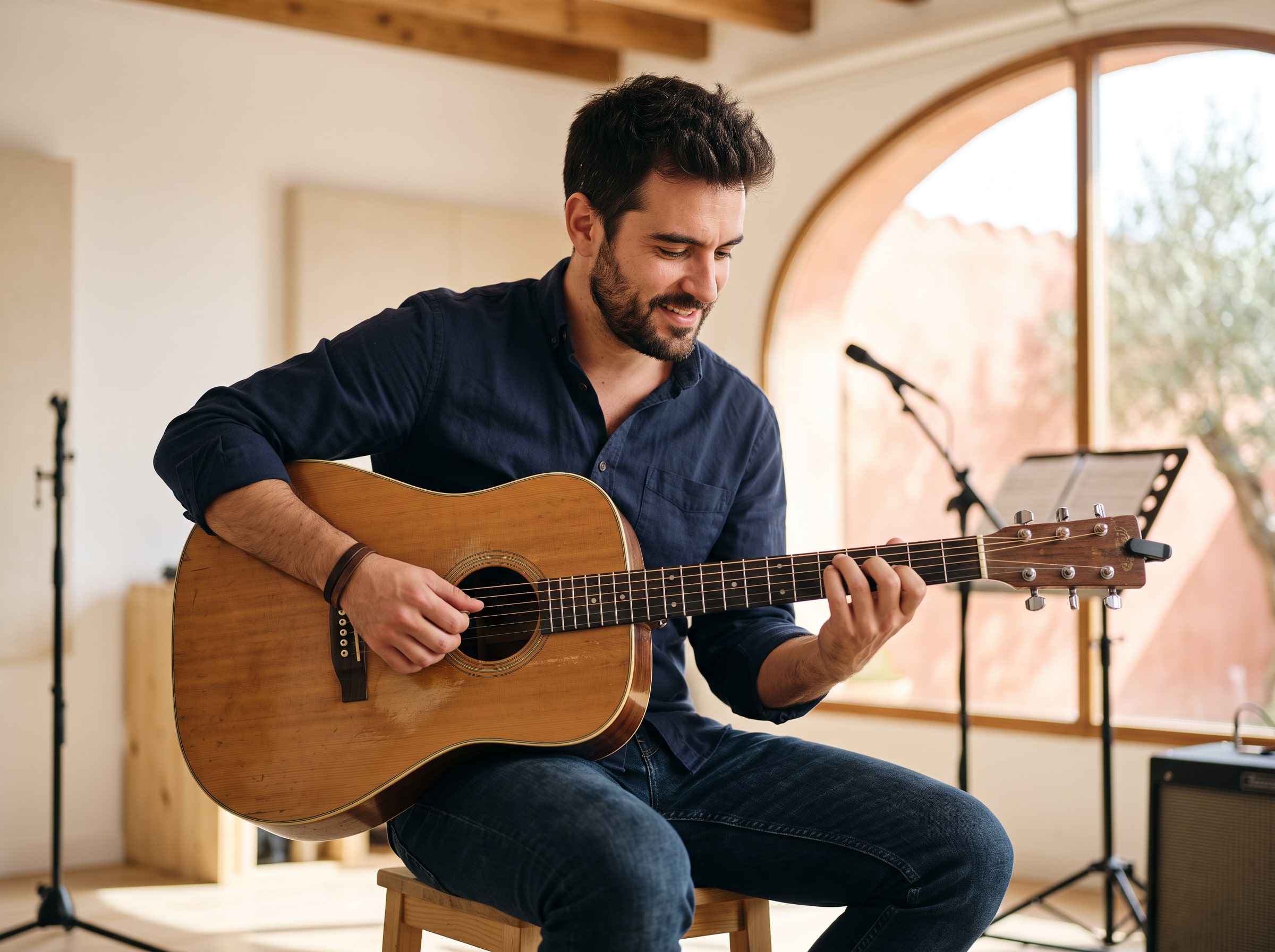
Nico toca en un grupo. Nico es ...
Type the complete Spanish answer.
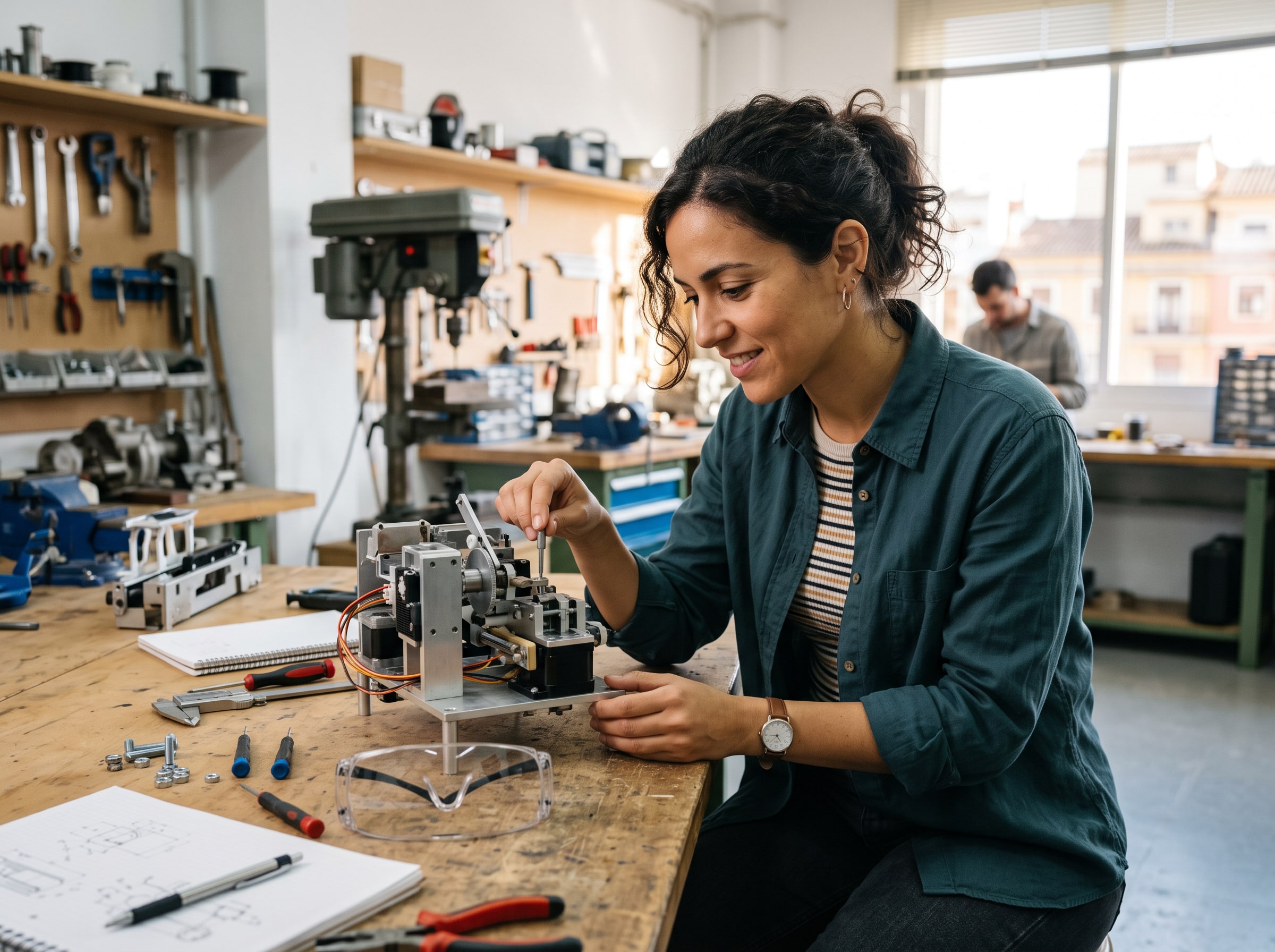
Sofía diseña máquinas. Sofía es ...
Type the complete Spanish answer.
Exercise 3
In each pair, choose the sentence with un, una, unos, or unas. It refers to one described item or some particular items. The other sentence talks generally and uses no article.
Which sentence refers to one particular car?
Which sentence describes a particular pair of glasses?
Which sentence refers to one particular novel?
Which sentence refers to some particular stamps?
Which sentence describes one particular kind of bread?
Which sentence describes one particular tie?
Exercise 4
Type un, una, unos, unas, or sin artículo. Never leave the field empty.
Mi hermano es ___ profesor.
Type the complete Spanish answer.
Mi hermano es ___ profesor excelente.
Type the complete Spanish answer.
¿Bebes ___ agua?
Type the complete Spanish answer.
He comprado ___ pan muy bueno.
Type the complete Spanish answer.
No tenemos ___ coche.
Type the complete Spanish answer.
Tenemos ___ coche nuevo.
Type the complete Spanish answer.
El cocinero prepara ___ carne.
Type the complete Spanish answer.
Daniel lleva ___ corbata al trabajo.
Type the complete Spanish answer.
Hoy lleva ___ corbata azul.
Type the complete Spanish answer.
Ayer compré ___ sellos raros.
Type the complete Spanish answer.
Exercise 5
Rewrite the complete sentence. Add the correct indefinite article and the description.
Paula es profesora. + excelente
Type the complete Spanish answer.
Mateo es fotógrafo. + muy creativo
Type the complete Spanish answer.
Sara es cocinera. + muy paciente
Type the complete Spanish answer.
Álex es músico. + extraordinario
Type the complete Spanish answer.
Noa es periodista. + con mucha experiencia
Type the complete Spanish answer.
Exercise 6
The context asks only for the occupation. Rewrite the complete sentence without the unnecessary article.
¿A qué se dedica Sonia? Sonia es una ingeniera.
Type the complete Spanish answer.
¿Qué quiere ser Álex? Álex quiere ser un actor.
Type the complete Spanish answer.
¿A qué se dedica Mario? Mario es un abogado.
Type the complete Spanish answer.
¿Qué son Eva y Luz? Son unas estudiantes.
Type the complete Spanish answer.
¿A qué se dedica Irene? Irene es una cantante.
Type the complete Spanish answer.
Exercise 7
Use the two-part story. Choose the answer that matches both the facts and the article meaning.
What is Alba now?
What is Vera's profession?
How does the story characterize Julia?
What does Pedro prepare?
What is Bruno looking for today?
What stops outside?
Which three professions help outside?
What does Rosa show tonight?
Exercise 8
Choose the natural complete sentence. Pay attention to profession, category, quantity, and description.
camarera
cocinero
cantante
directora de cine
agua
carne
coche
corbata
novela
sellos
Lesson result
The goal is not one lucky answer. The goal is fast recognition: article, gender pattern, noun phrase, then sound.
0
correct answers